'Quite obscure and lacking in transparency': Journalist César Batiz questioned the lack of transparency in the oil agreement between the US and Venezuela on Voz News
Batiz offered two possible explanations for the role of Venezuelan businessman Alejandro Betancourt.
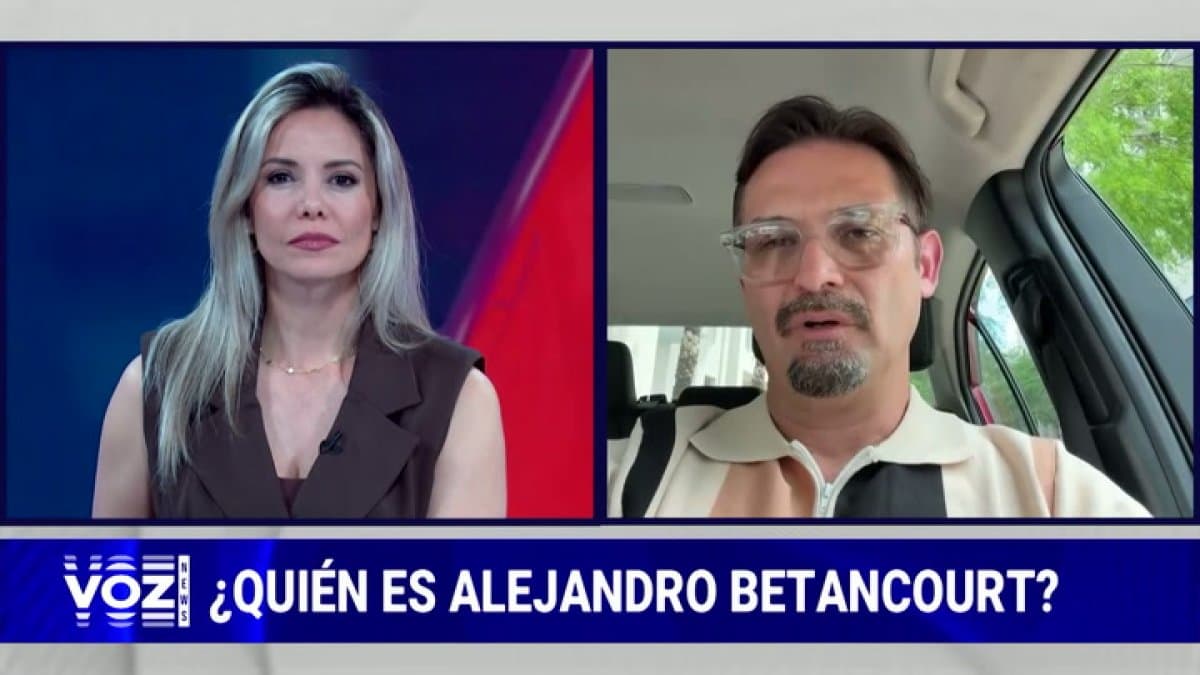

On Tuesday, journalist César Batiz questioned the lack of transparency and raised doubts about the legality of the oil agreement between the United States and Venezuela, noting that it has not yet been submitted to the relevant legislative bodies and was negotiated with the interim government of Delcy Rodríguez. During an interview with Karina Yapor, anchor and executive director of Voz News, Batiz described the agreement as "quite shady, quite opaque, and not very transparent" and scrutinized the role of Venezuelan businessman Alejandro Betancourt through his company NABEP.
"There are still many doubts about the legality of an agreement like this, because it did not go through Venezuela's National Assembly and has not yet gone through the U.S. Congress," Batiz explained. The journalist also questioned the operation being carried out under an interim government that, he noted, lacks legitimacy, and warned about concerns raised by Betancourt's involvement—a figure he described as controversial, implicated in the worst corruption scandals, and under investigation in the United States.
Batiz offered two possible explanations for the Venezuelan businessman's role. One hypothesis holds that, because of the ongoing investigations against him in the United States, Betancourt may be in a vulnerable position vis-à-vis the Trump administration and is therefore seeking to promote U.S. oil projects to avoid run-ins with the American justice system. Another possibility, he explained, is that he is a collaborator in the mechanism created to channel investments into Venezuelan oil fields.

Although he questioned the way the agreement is unfolding, Batiz acknowledged that U.S. capital and technology are necessary to revive the Venezuelan oil industry. "International investment, U.S. investment, and U.S. technology were necessary. However, what was not necessary was to do it in such an opaque manner—and certainly not with an illegitimate regime and a figure as controversial as this one," he stated.
The alternative to an international bidding process
In light of the doubts surrounding the agreement, Batiz argued that a more transparent alternative to attract the nearly $100 billion needed to revive Venezuelan oil production was an international bidding process.
The journalist noted that major U.S. companies such as Conoco and Exxon chose not to participate in the project proposed by Trump, except Chevron, which already operates in Venezuela. As he explained, this decision led the Trump administration to seek other alternatives, including an agreement with NABEP.
However, Batiz questioned the company's ability to follow through on the announced investment. "Now they're telling us that NABEP is going to invest $100 billion. Where from? Where will those funds come from? Can we be sure where those funds will come from and that the company itself has the capacity to invest those $100 billion? I don't know. I have many doubts," he said.
He also cast doubt on claims that NABEP increased production and questioned whether the released data reflect reality or are part of a narrative. For Batiz, the agreement must be analyzed within the context of Venezuela's complex political process and the efforts to create the necessary conditions for an eventual democratic transition.
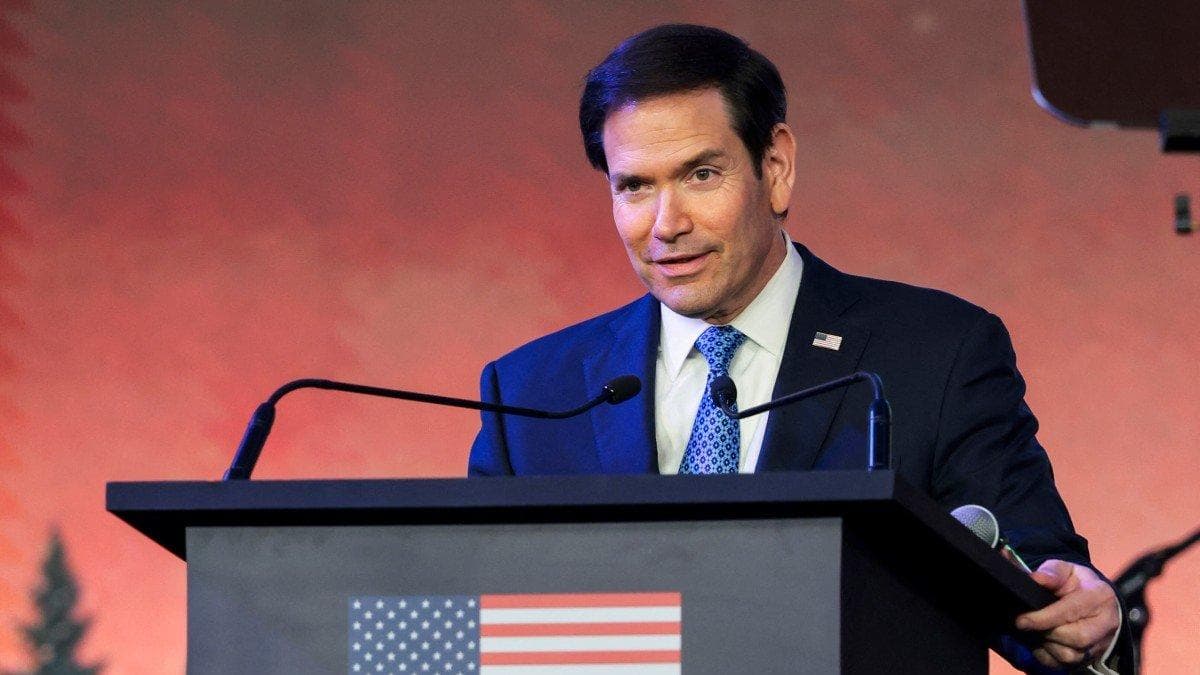
"Senator Marco Rubio has said that to achieve change and democracy, infrastructure is needed to guarantee free and fair elections—and all of this requires money," Batiz recalled.
🛠 Do you think there is an error in this article?
Recommendations



LATEST