Mexico continues to apply diplomatic and legal pressure on Washington to shed light on deaths of 17 migrants during ICE operations and in custody
Mexican Foreign Minister Roberto Velasco stated on Wednesday that, of the 20 complaints filed on July 13—eight with state attorneys general and 12 with district attorneys—the United States has provided a response to only four.
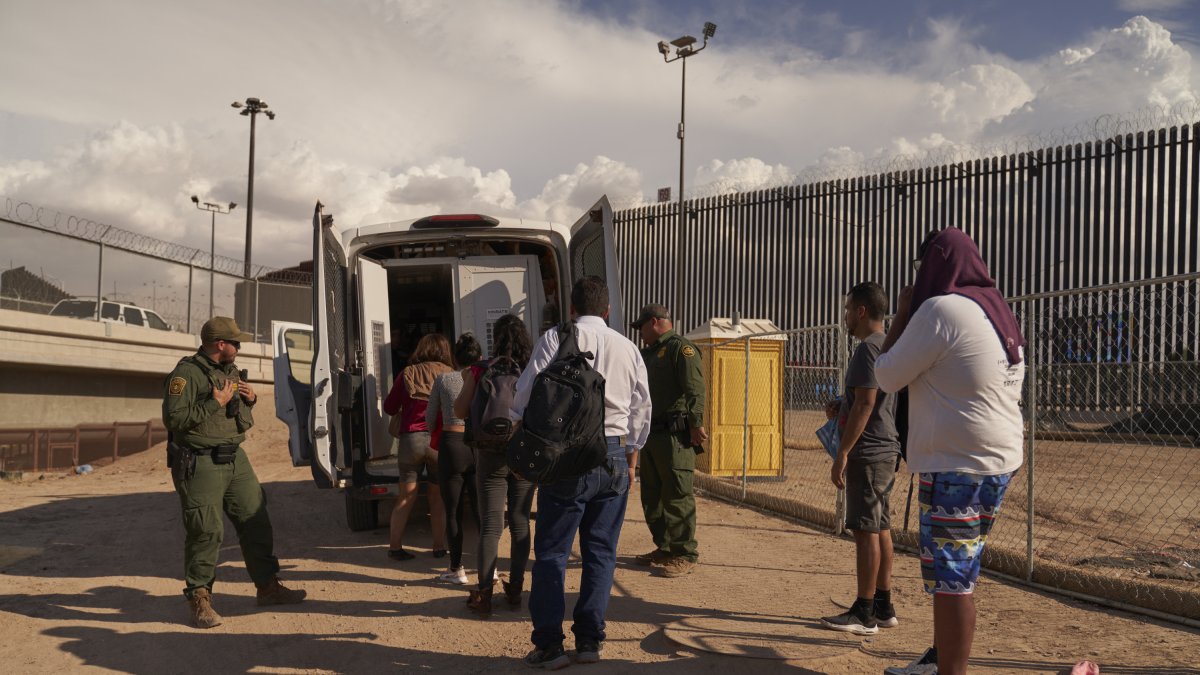
Border Patrol detains several undocumented immigrants

The Mexican government has filed 20 complaints with state and district attorney's offices in the United States regarding the deaths of 17 Mexican immigrants while allegedly in custody or during operations by U.S. Immigration and Customs Enforcement (ICE).
The deaths occurred in Arizona, California, Florida, Georgia, Illinois, Louisiana, Missouri and Texas. According to Mexico's tally, 14 occurred while in ICE custody and three during operations.

Complaints filed with district attorneys, attorneys general and DOJ
Mexican Foreign Minister Roberto Velasco acknowledged on Wednesday that, of the 20 complaints filed on July 13—eight with state attorneys general and 12 with U.S. district attorneys—the United States has provided a response to only four.
Eight offices acknowledged receipt: the attorneys general of Illinois, Texas, Florida and California, and the district attorneys of Atlanta, Chicago, Oxnard and San Bernardino. That does not mean they have opened an investigation.
Velasco announced that the Mexican Embassy and the consular network will directly contact the prosecutors' offices that have not yet responded to the complaints .

Politics
Stephen Miller, the White House's immigration architect, is spearheading visa cuts that affect nearly all categories
Emmanuel Alejandro Rondón
The most concrete response came from Florida. The state attorney general concurred with the immigration authorities' investigation that one case was a suicide and that there will be no further investigation. The district attorney's offices in Ventura County, Calif.; Cook County, Ill.; and Harris County, Texas, said they will evaluate how to proceed.
Mexican Attorney General's Office forwarded the case file to the Department of Justice (DOJ) and requested formal investigations. Washington has not yet announced how it will proceed with that request.
Mexico takes case to U.N.
Mexico has reiterated its concerns regarding conditions in detention centers to the Department of Homeland Security (DHS) and ICE. In early July, it wrote to U.N. High Commissioner for Human Rights Volker Türk, who said he was aware of the matter, brought it before the Human Rights Council, and called on Washington to conduct prompt investigations.

Meanwhile, Velasco reported that the Ministry of Foreign Affairs (SRE) allocated more than $24,700 to repatriate the remains of seven deceased individuals. In Adelanto, California, the Mexican consulate is monitoring civil litigation concerning medical care and the liability of the immigration authorities in relation to the detention centre.
Velasco insisted that the complaints are not intended to provoke a confrontation with Washington, but rather to fulfill Mexico's duty to defend its citizens.
Washington sends Mexicans to Central America to keep them away from the border
The Mexican Foreign Ministry rejected this practice: "The Government of Mexico accepts the return of all its nationals. It therefore rejects the deportation of Mexican nationals to third countries and has no such agreement in place." A DHS spokesperson responded that the administration "is utilizing all lawful options to carry out the largest deportation operation in history, just as President Trump promised."
CBS reported that deportations to other countries had not been formally announced and that, according to an official, they already number in the hundreds. WOLA researcher Adam Isacson described them as "almost entirely punitive."
LATEST