Target gains an edge over Walmart in store visits amid the battle for customers
Target posted 4.7% year-over-year growth in foot traffic during the second quarter, compared with Walmart's 0.7%, as both giants ramp up discounts and promotions to attract more price-sensitive shoppers
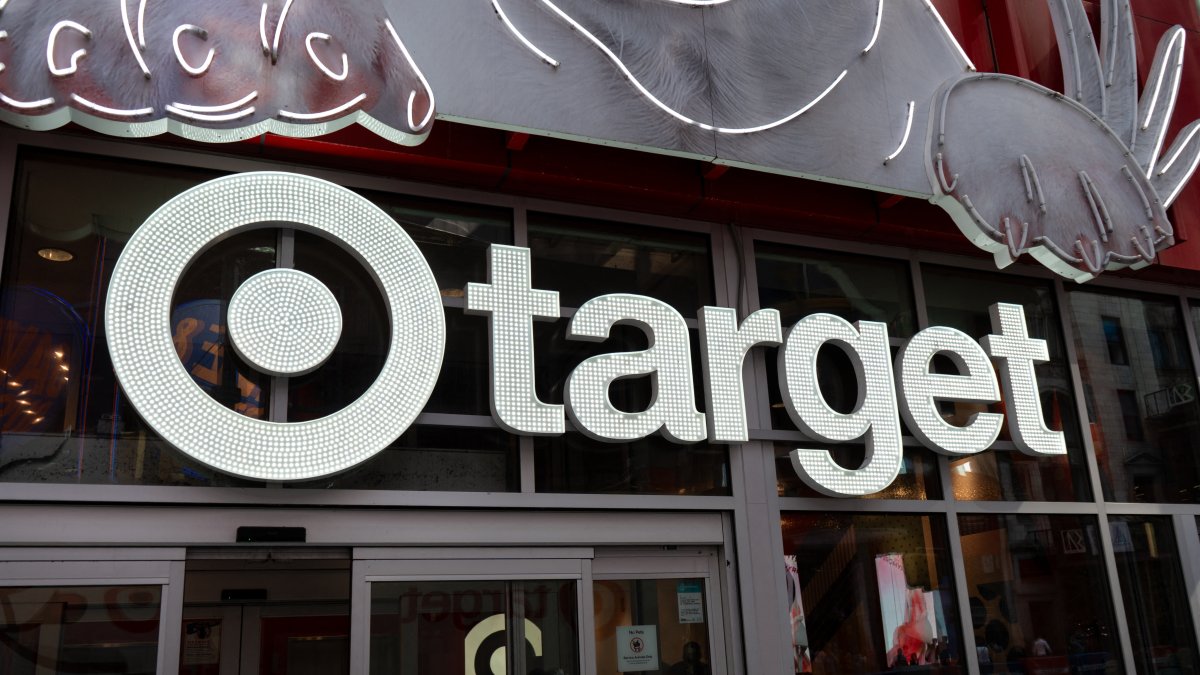
The logo of a Target store in New York

Target managed to accelerate the pace of visits to its stores nationwide during the second quarter of 2026 and far outpaced Walmart's growth, as major retailers wage an intense discount war to win over increasingly price-conscious consumers.
According to data from Placer.ai cited by TheStreet, foot traffic at Target stores rose 4.7% year-over-year during the second quarter, compared with a mere 0.7% increase at Walmart.
This growth aligns with Target's strategy focused on winning back shoppers through promotions, price cuts and a refresh of part of its product lineup, particularly in high-frequency categories such as groceries and household goods.

Economy
Inflation moderates to 3.4% annually in July, in line with market expectations
Carlos Dominguez
A discount war for U.S. consumers
The competition between the two chains became particularly evident over the summer.
From June 23 to 26, Target held its Target Circle Deal Days, a campaign in which it offered members of its loyalty program discounts of up to 45% on back-to-school and college supplies, clothing and seasonal items, according to the company itself reported.
Walmart responded almost simultaneously with Walmart Deals, held from June 22 to 28, featuring thousands of deals on electronics, fashion, toys, furniture and back-to-school products. The company explained that the deals were available both online and in its stores nationwide, according to its official press release.
The price war continued throughout the back-to-school season. Target subsequently announced price cuts on thousands of products and noted that 95% of its back-to-school supplies were priced at or below the previous year's levels. The company also launched discounts of up to 30% on select categories between July 26 and Aug. 1.
Walmart, for its part, stated that its back-to-school campaign featured more than 1,300 additional "rollbacks" compared to the previous year, in addition to maintaining price reductions on thousands of products throughout the summer.
Target aims to boost foot traffic
Target has sought to strengthen precisely those categories capable of generating repeat visits. The company has expanded its strategy in groceries, essentials and school supplies, while striving to maintain its traditional strength in fashion, home goods, and designer products.
This strategy comes after the company already showed signs of recovery at the start of the fiscal year. In the first quarter of 2026, Target officially reported that comparable store traffic had increased 4.4% year-over-year, while comparable digital sales grew 8.9%.
Consumer behavior takes on special significance at a time when sales are cooling off. The latest available data show that retail and food service sales in the United States fell 0.6% in July compared to June, to approximately $763.6 billion, although they remained 5% above the same month last year. The July report was released on Aug. 14 by the U.S. Census Bureau.

Economy
The White House spoke with Walmart, Kroger, and Albertsons: It aims to lower the price of beef
Emmanuel Alejandro Rondón
Walmart retains a massive scale advantage
In fact, the company serves approximately 280 million customers and members each week across more than 10,900 stores and e-commerce platforms in 19 countries, and closed its fiscal year 2026 with revenue of around $713 billion, according to official Walmart data.
The traffic figures do, however, show a positive trend for Target: in the midst of a discount offensive, it managed to increase store visits at a rate significantly higher than that of its main rival, just as attracting price-sensitive consumers has become one of the main battles in U.S. retail.
LATEST