United Arab Emirates accuses Iran of attacking two oil tankers in Strait of Hormuz as regional tensions escalate
The UAE Ministry of Foreign Affairs described the attacks as acts of piracy attributed to the Iranian Revolutionary Guard.
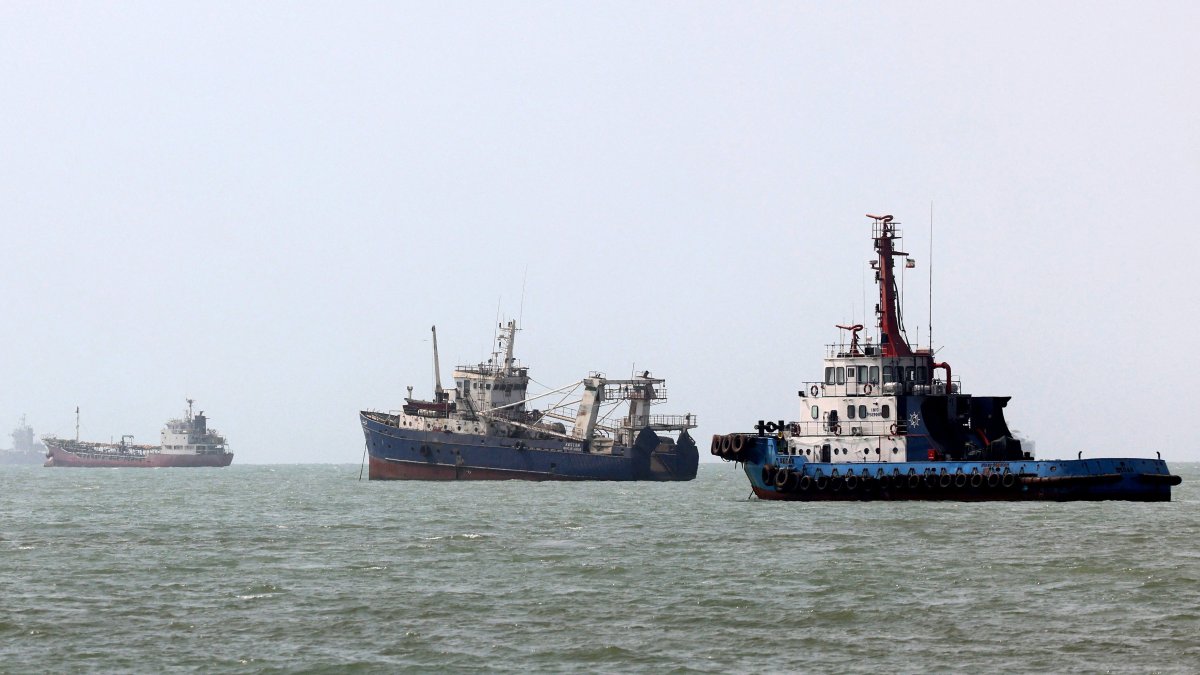
Ships passing through the Strait of Hormuz / Atta Kenare

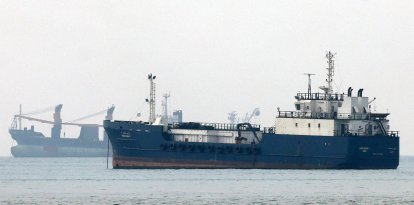
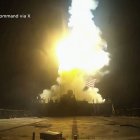
The United Arab Emirates accused Iran of attacking two ships belonging to the Abu Dhabi National Oil Company (ADNOC) as they were passing through the Strait of Hormuz on Thursday night. No one was injured, and ADNOC said the situation was under control.
Last Thursday, two ADNOC vessels were attacked while sailing through the Strait of Hormuz. The most serious incident occurred in July, when the UAE reported that two of its oil tankers were struck by Iranian cruise missiles in the Strait of Hormuz. One Indian crew member was killed and eight others were injured, four of them seriously
The UAE Ministry of Foreign Affairs described the attacks as acts of piracy attributed to the Iranian Revolutionary Guard and warned that they pose a threat to regional stability and global energy security: "The United Arab Emirates has strongly condemned and denounced the hostile Iranian attack that targeted two vessels affiliated with ADNOC as they transited the Strait of Hormuz."

Iran, for its part, had not yet publicly responded to Abu Dhabi's accusations.
"We're getting a rally going into the weekend after new attacks on tankers and lack of progress on a ceasefire agreement," said Andrew Lipow, president of Lipow Oil Associates, on the matter.
"Crude oil prices might be $80 a barrel, but diesel prices are $180 a barrel and gasoline is $130 a barrel and that's what's hitting the consumer," he added.
This development comes as Iran and Oman move forward with negotiations to establish the terms for navigation through the strait, which is critical to the global supply chain. It is the only maritime passage from the Persian Gulf to the open ocean. Approximately 21% of the world's oil consumption, as well as 23% of liquefied natural gas (LNG), passes through it.
LATEST