Trump steps up pressure on Iran and vows to declare Strait of Hormuz US territory
The Republican president did not explain what legal or practical measures he would take to bring this strategic sea passage under U.S. control.
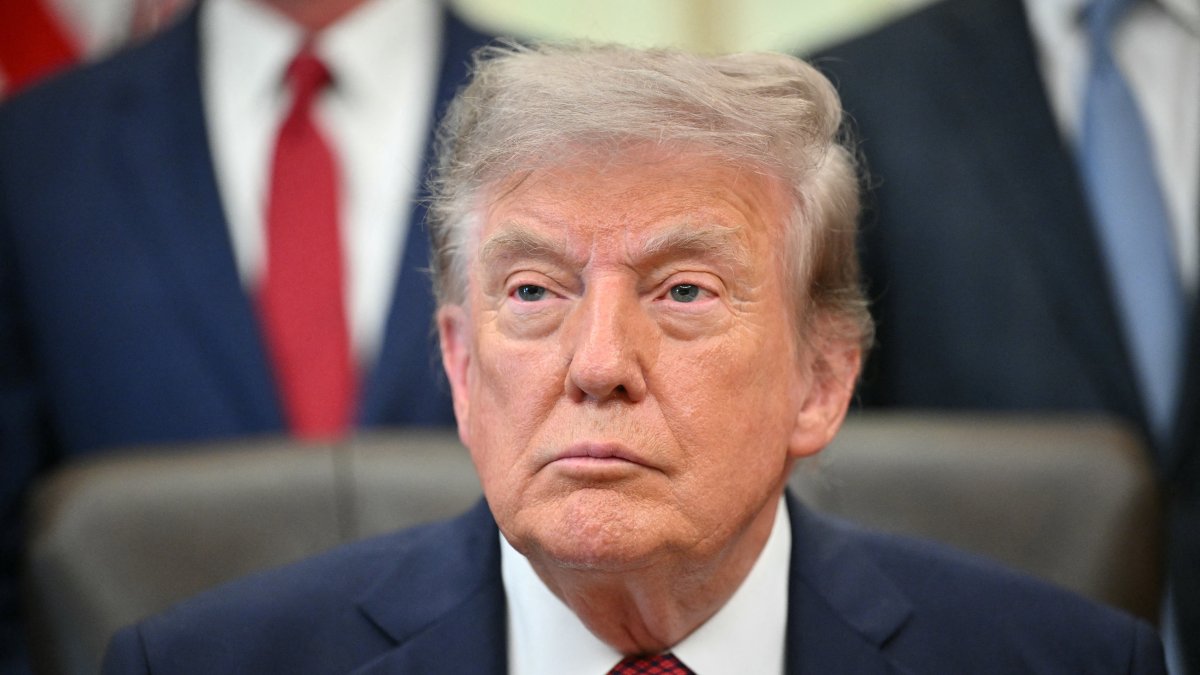
Donald Trump in the Oval Office / Mandel Ngan
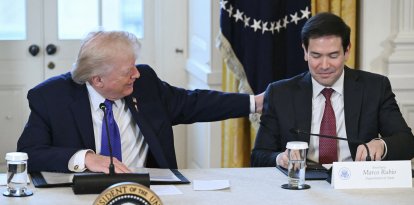
President Donald Trump said Friday that he plans to declare the Strait of Hormuz a U.S. territory, even though the waterway falls under the jurisdiction of Iran and Oman. The Republican president did not explain what legal or practical steps he would take to bring this strategic waterway under U.S. control, especially since Washington currently has no jurisdiction over the strait.
"After we finish defeating Iran -- which is being very badly defeated -- pretty soon I'll be declaring the Hormuz Strait a territory of the United States. We have the blockade. No ships get through unless we want them to," Trump said during an appearance on Long Island, New York while discussing his administration's efforts to combat crime in the country.
In recent days, Iran has been rejecting Trump's claims that Washington controls the waterway. In a post on X on Wednesday, Iran's Persian Gulf Strait Authority maintained that issues related to ownership do "not change the reality: the Strait of Hormuz remains blocked and will not be reopened until Iran’s conditions are accepted."
Trump's comments come as the United States remains embroiled in its conflict with Iran and as control of and access to the Strait of Hormuz have become central issues in the negotiations. The Islamic regime has sought concessions regarding the waterway as part of broader negotiations with the United States, while Trump and his administration have insisted on maintaining freedom of navigation and preventing Tehran from controlling commercial maritime traffic.
Since the conflict began approximately six months ago, the Republican president has repeatedly asserted that the United States controls the Strait of Hormuz. His administration has deployed a U.S. naval blockade in the area twice, while asserting U.S. authority over the movement of oil exports from the region.
LATEST