Tropical Storm Bertha threatens the Gulf Coast as flooding persists in the East
The NWS has issued a warning about significant flash flooding in the Lower Mid-Atlantic region between Wednesday and Thursday. The hardest-hit areas could stretch from the Virginia coast to the Carolinas, where severe storms fueled by heavy moisture are expected.
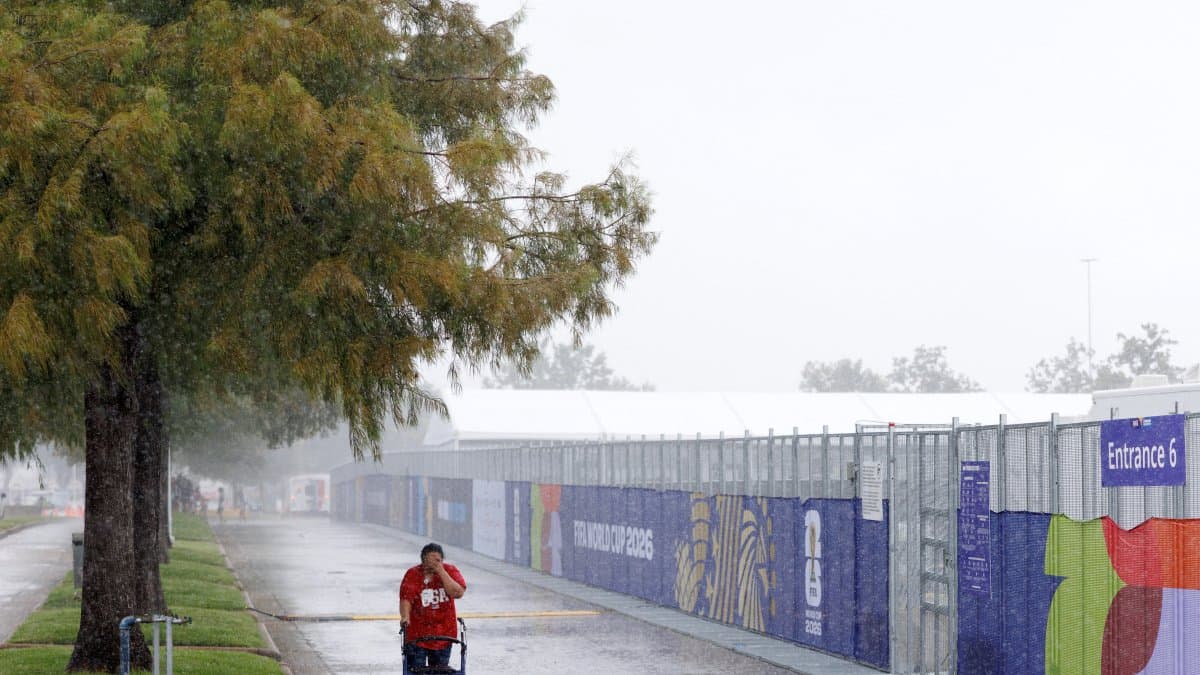

Tropical Storm Bertha could cause isolated flash flooding, tropical storm conditions and coastal flooding along the U.S. Gulf Coast, according to the latest report from the National Weather Service.
The agency indicated that tropical storm and coastal flood warnings remain in effect from the southern tip of Alabama to the southeastern coast of Louisiana. It also noted that Bertha's outer bands could cause isolated to scattered flash floods in these areas over the next two days.
The report, issued at 4 a.m. (Eastern Time) on Wednesday, July 22, states that Bertha will continue to move slowly westward along the central Gulf Coast.
Society
Weather alert: Severe storms, flooding and extreme heat threaten several regions of the US
Williams Perdomo
Furthermore, the NWS warned of a significant flash flood event in the lower Mid-Atlantic region between Wednesday and Thursday. The most affected areas could extend from the Virginia coast to the Carolinas, where severe storms fueled by abundant moisture are expected.
There is also a possibility of severe weather in that region, including tornadoes and strong winds, although the agency estimates that their coverage and intensity will be less than those recorded on Tuesday.
Heat threat
The National Weather Service also reported that dangerous heat will persist in parts of the southern plains through Friday. Starting Thursday, the expansion of a high-pressure system will cause temperatures to rise in parts of the Southwest, the Great Basin and eventually the Northern Plains.
🛠 Do you think there is an error in this article?
Recommendations








LATEST