ANALYSIS
Families of young people killed by Venezuelan regime sue former dictator Nicolás Maduro in US courts over extrajudicial executions
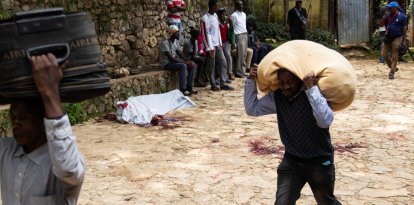
The events described in the lawsuit follow a recurring pattern: FAES agents would arrive at the victims’ homes in the early morning, hooded and dressed in black, separate the men from their families, and then shoot them. Subsequently, officials allegedly fabricated stories claiming that the victims had “resisted authority.”
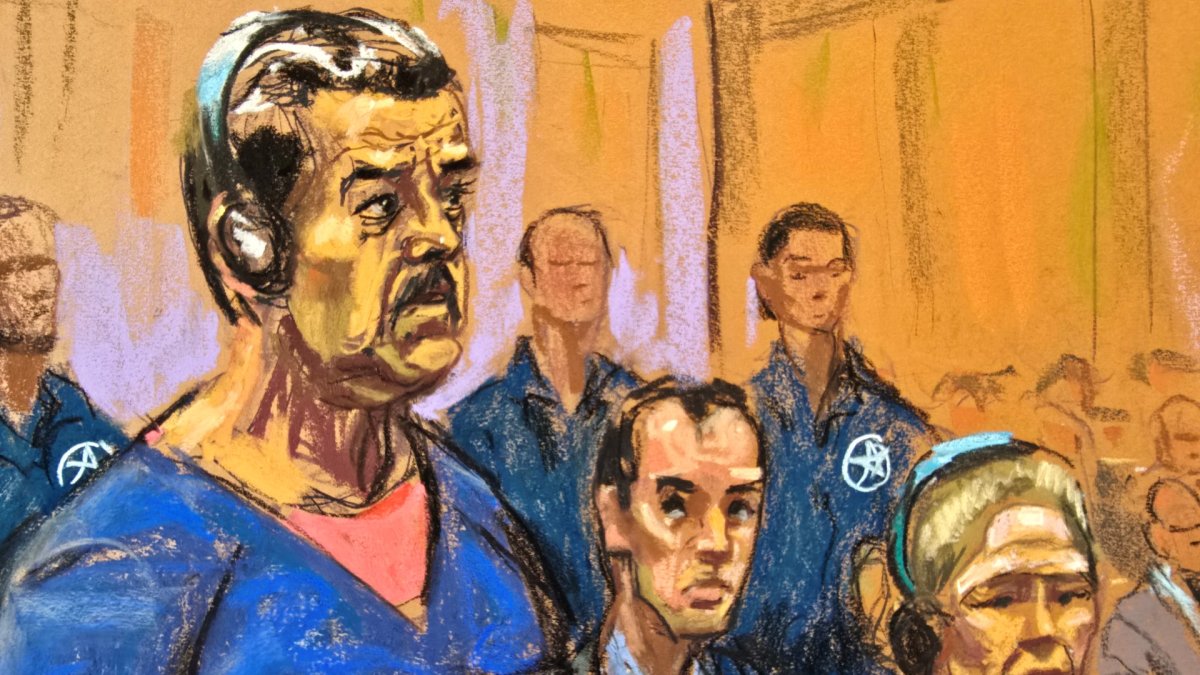
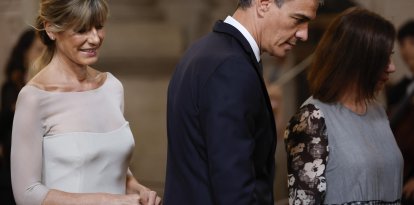
Nicolás Maduro and his wife, Cilia Flores, during their initial court appearance in the U.S.

The families of five young Venezuelans murdered between 2017 and 2020 filed a civil lawsuit against former dictator Nicolás Maduro in a federal court in the United States, accusing him of being directly responsible for a systematic pattern of extrajudicial killings.

According to AFP, the 44-page complaint was filed on Tuesday in a Brooklyn court in New York. According to the plaintiffs, Maduro ordered the Special Action Forces (FAES) of the Bolivarian National Police (PNB) to carry out these crimes as part of a strategy of state repression against alleged opponents and residents of working-class neighborhoods.
“Death squad”: The regime’s pattern of executions
The events described in the lawsuit follow a recurring pattern: FAES agents would arrive at the victims’ homes in the early morning, hooded and dressed in black, separate the men from their families, and then shoot them. Subsequently, officials allegedly fabricated stories claiming that the victims had “resisted authority.”
World
They rob the dead and the survivors: Outrage erupts in Venezuela as regime forces loot earthquake victims
Emmanuel Alejandro Rondón
The FAES, disbanded in 2021 following strong international condemnation, were identified by organizations such as the UN as responsible for thousands of extrajudicial executions during the Maduro administration. The lawsuit openly describes them as “a death squad or extermination group” used to terrorize the population and eliminate dissent.
“Maduro used the FAES as a political tool and a mechanism of social control to violently repress dissent,” the legal document states. The families, whose names are being withheld for security reasons, argue that the Venezuelan judicial system, controlled by Chavismo, has prevented any serious investigation into these cases.
Another legal front: Victims seek justice in the U.S.
The lawsuit is filed under the U.S. Victims of Torture Protection Act and seeks financial compensation from Maduro. The former dictator, currently detained in New York awaiting trial for drug trafficking, is expected to invoke immunity as a former head of state.

Maduro, who was overthrown in January following a U.S. military operation, also faces other serious criminal charges alongside his wife Cilia Flores, including conspiracy to import cocaine. In his criminal case, he has declared himself a “prisoner of war” and pleaded not guilty.
This new civil lawsuit represents another legal front for Maduro, while the victims and their families seek justice in international courts given the impossibility of doing so within Venezuela.
LATEST