United Arab Emirates leaves OPEC over 'national interest'
Through its state news agency, the United Arab Emirates informed that its exit from OPEC will take place as of May 1.
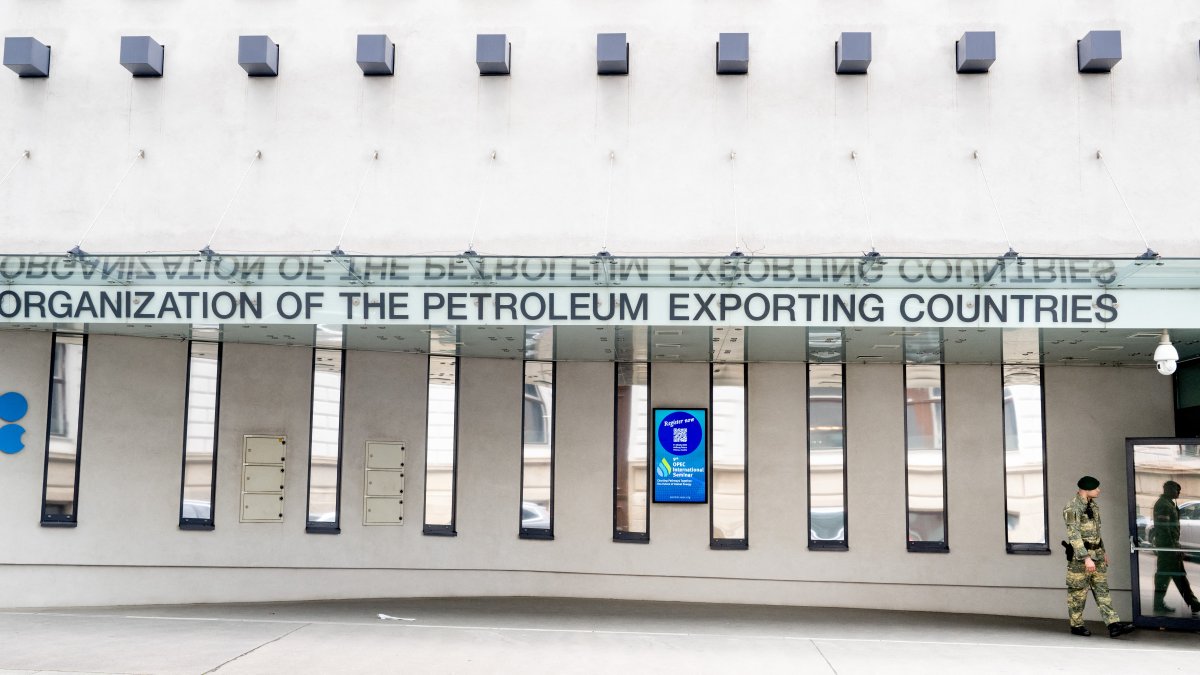
Organization of the Petroleum Exporting Countries (OPEC) headquarters

The United Arab Emirates (UAE) will withdraw from the Organization of Petroleum Exporting Countries (OPEC) as of May 1.
The country announced its decision through a statement issued by WAM, the UAE's state-run news agency.
"This decision reflects the UAE's long-term strategic and economic vision and the evolution of its energy profile, especially the acceleration of investments in domestic energy production," it said.
They further added that this is a choice that seeks to "focus our efforts on what our national interest dictates" after the UAE "made significant contributions and consented to even greater sacrifices in the interest of all."
The UAE joined OPEC in 1967, seven years after its founding. It is one of the world's largest oil exporters.
The organization currently has 12 members: Saudi Arabia, Iraq, UAE, Kuwait, Iran, Nigeria, Libya, Algeria, Venezuela, Republic of Congo, Gabon and Equatorial Guinea.
In 2016, OPEC forged an alliance with ten other countries - Russia, Kazakhstan, Azerbaijan, Malaysia, Mexico, Bahrain, Brunei, Oman, Sudan and South Sudan - called OPEC+.
The aim was to limit supply and support prices in the face of challenges still posed by competition from United States.
LATEST