LIVE | Lebanon meets with Israel in Washington to request truce extension
At around 8:25 p.m. EST, the U.S. benchmark West Texas Intermediate (WTI) crude oil price rose 4.1% to $96.73 per barrel. Brent North Sea crude, the international benchmark, rose 3.6% to $105.63.
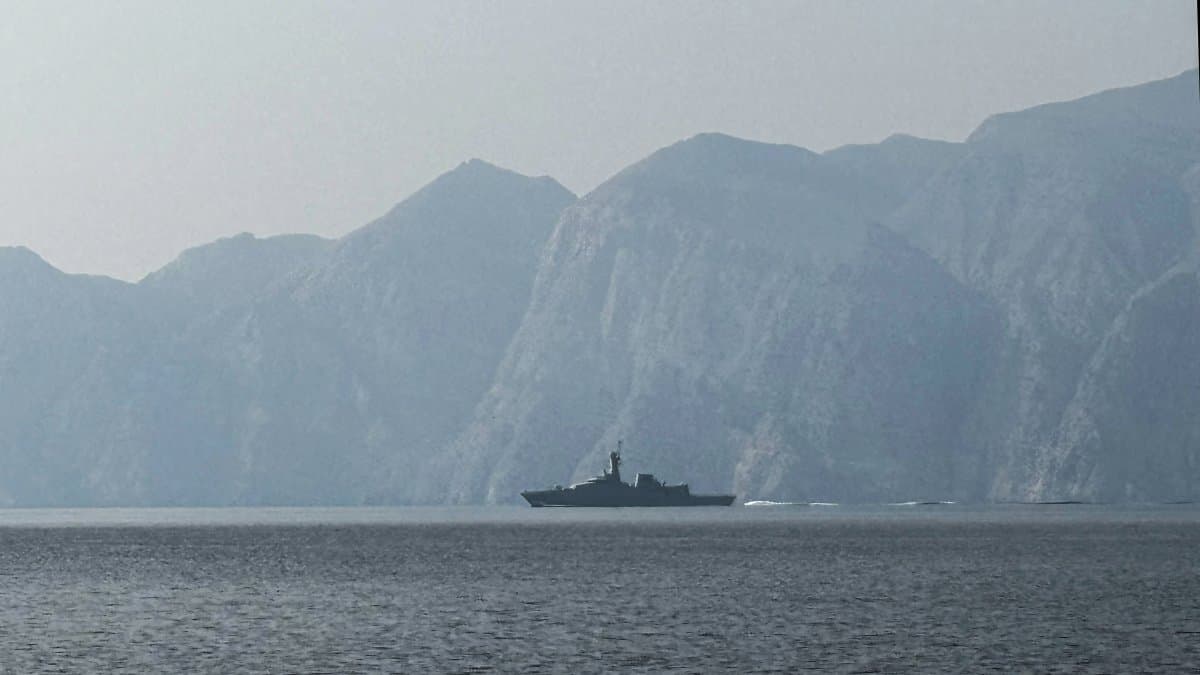
Oil prices rose 4% before moderating Thursday, after Iran vowed not to reopen the Strait of Hormuz as long as the U.S. blockade remains in place.
At around 8:25 p.m. EST, the U.S. benchmark West Texas Intermediate (WTI) crude oil price rose 4.1% to $96.73 per barrel. Brent North Sea crude, the international benchmark, rose 3.6% to $105.63.
Asian markets mostly fell, with declines in Tokyo, Hong Kong, Shanghai, Sydney, Singapore and Wellington.
Timestamps are Eastern Standard Time (EST).
10:24 pm · Iran’s supreme leader responds to Trump and says the regime is united
Iran’s Supreme Leader, Ayatollah Mojtaba Khamenei, responded Thursday to comments from President Donald Trump suggesting deep divisions within the Islamic theocracy, asserting that unity prevails domestically. In a message posted on his official X account, Khamenei argued that recent developments have strengthened cohesion inside Iran rather than weakened it, stating that “Due to the strange unity created among compatriots, a fracture has occurred in the enemy. With practical gratitude for this blessing, cohesion has become even greater and more steel-like, and the enemies will become more wretched and diminished.”
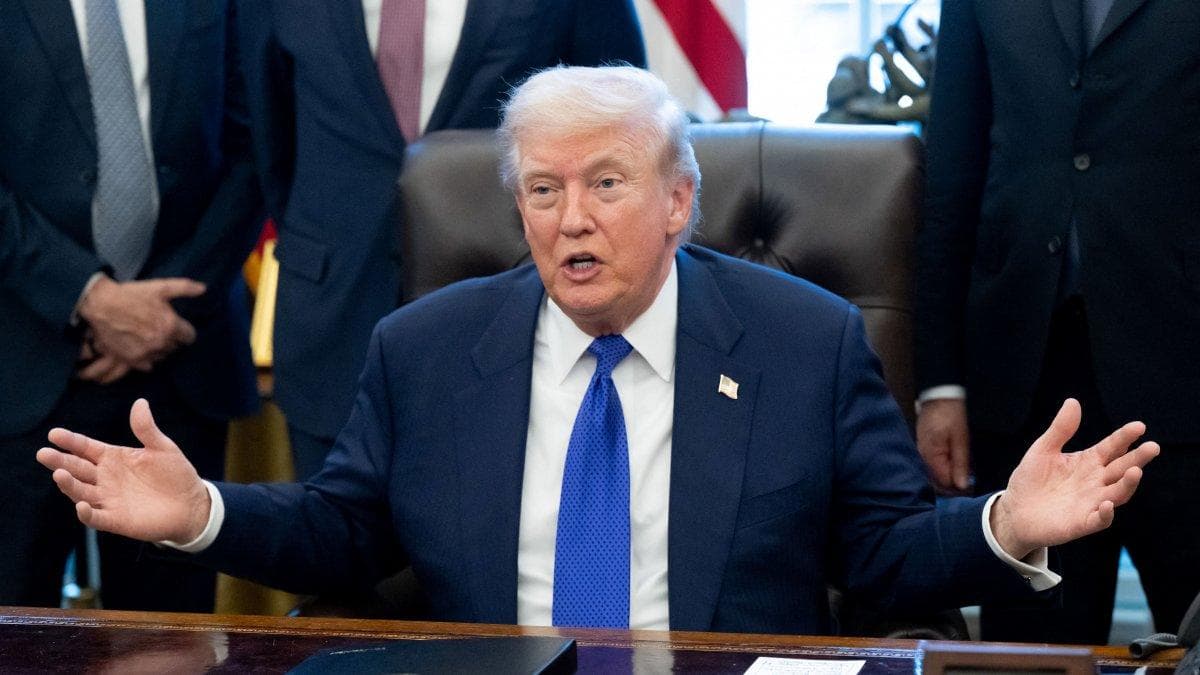
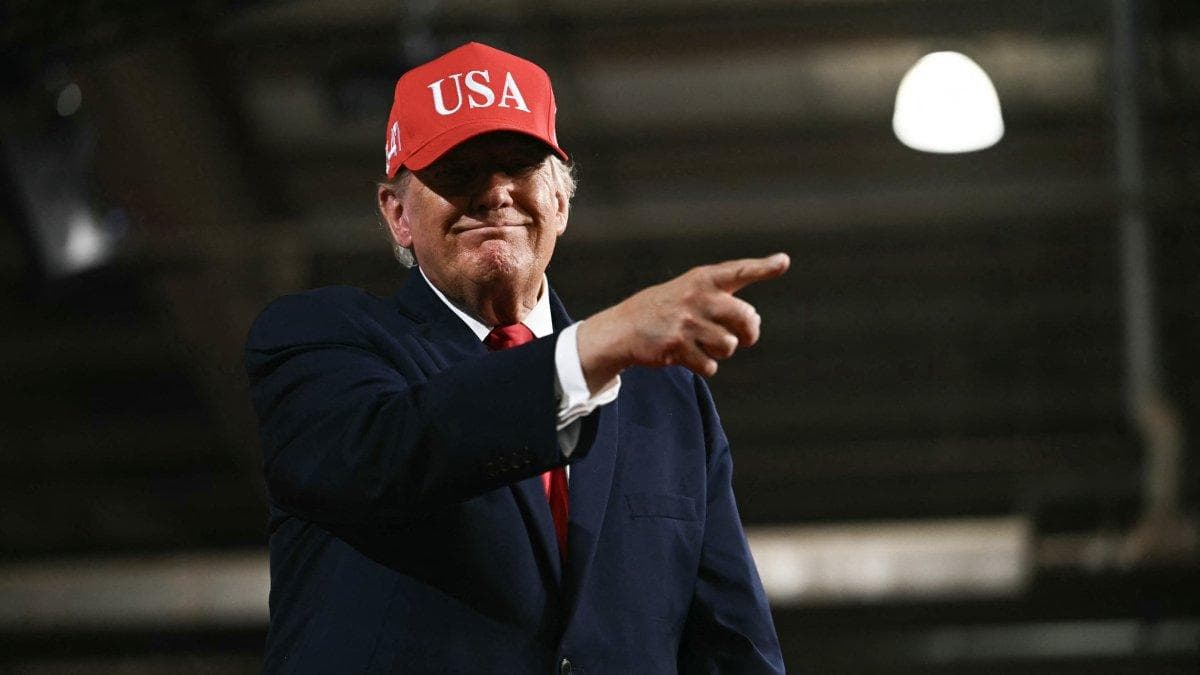
The remarks came after Trump suggested in a post on his Truth Social account that Iran’s leadership was divided and struggling for control. “Iran is having a very hard time figuring out who their leader is! They just don’t know! The infighting is between the ‘Hardliners,’ who have been losing BADLY on the battlefield, and the ‘Moderates,’ who are not very moderate at all (but gaining respect!), and it is CRAZY!” the Republican president wrote.
01:24 pm · Israel "awaits green light" from Trump to "return Iran to the age of darkness and stone"
Defense Minister Israel Katz said Thursday that Israel is "prepared to renew the war against Iran" and asserted that his country is waiting for the green light from the United States to "return Iran to the age of darkness and stone."
"We are awaiting a green light from the United States, first and foremost to complete the elimination of the Khamenei dynasty ... and in addition to return Iran to the age of darkness and stone by blowing up central energy and electricity facilities and crushing national economic infrastructure," Katz said in a video released by his office.
01:12 pm · Lebanon meets with Israel in Washington to request truce extension
Israel and Lebanon are holding a new round of talks in Washington on Thursday, with Beirut seeking a one-month extension of the ceasefire that expires at the end of this week.
Before the meeting, Israel said it has no "serious disagreements" with Lebanon and urged it to "work together" against the pro-Iranian group Hezbollah, which is not participating in the negotiations and opposes them.
As in the previous round, U.S. Secretary of State Marco Rubio will meet with Israeli Ambassador Yechiel Leiter and Lebanese Ambassador Nada Hamadeh Moawad, with the presence of U.S. Ambassador to Lebanon Michel Issa.
Now, U.S. Ambassador to Israel Mike Huckabee is also expected to join the meeting, a State Department official told AFP.
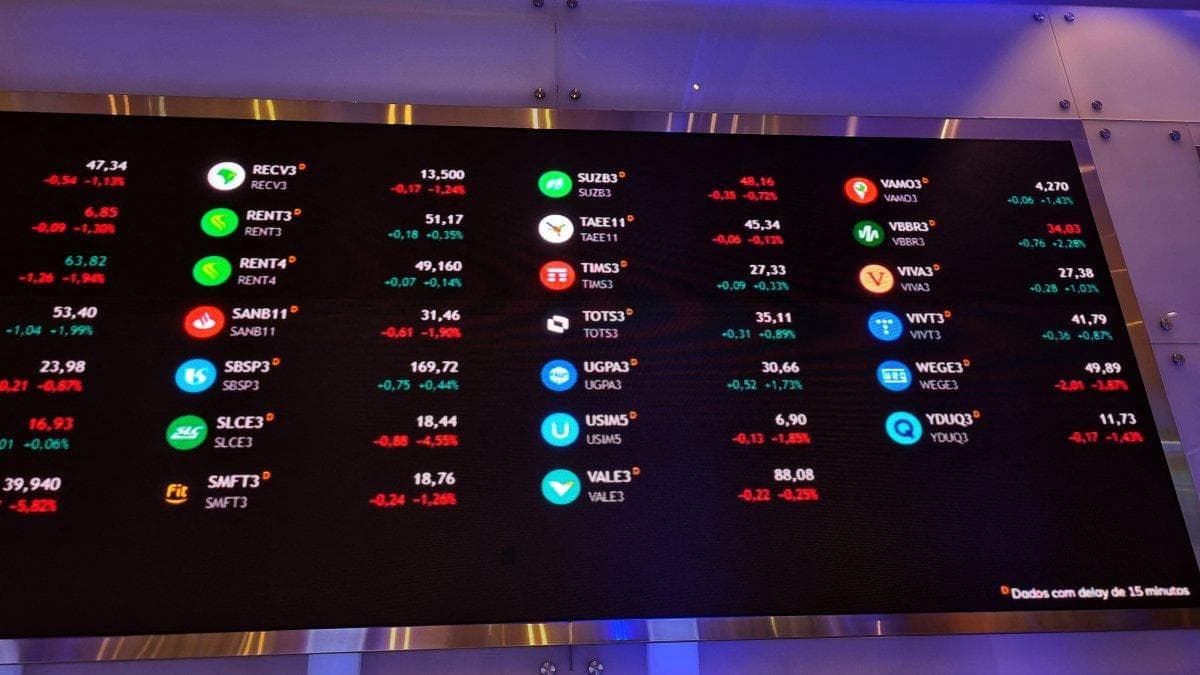
01:06 pm · Major European stock exchanges close with mixed trends
The main European stock exchanges closed Thursday with mixed results, influenced both by the performance of the companies listed on each market and by shared concerns about the evolution of the conflict inthe Middle East.
The Paris market advanced 0.87%, supported in part by the good performance of L'Oréal, while Milan also showed a slight increase of 0.26%.
In contrast, the Frankfurt, London and Madrid markets posted declines of 0.16%, 0.19% and 0.67%, respectively.
In international markets, oil maintained an upward trend.
North Sea Brent rose 1.3% to $103.20 per barrel, and West Texas Intermediate (WTI) rose 0.8% to $93.77 per barrel.
10:33 am · Trump's Hormuz order
President Donald Trump vowed the United States would destroy any vessel laying mines in the Strait of Hormuz, as he turns up the pressure on Iran to reopen the crucial sea passage.
"I have ordered the United States Navy to shoot and kill any boat, small boats though they may be ... that is putting mines in the waters of the Strait of Hormuz," Trump posted.
08:37 am · Israel accused of war crime
Lebanon's leaders accused Israel of committing a war crime after an airstrike killed a Lebanese journalist in the country's south.
The Israeli military said it was reviewing the incident.
06:37 am · U.S. forces board a tanker
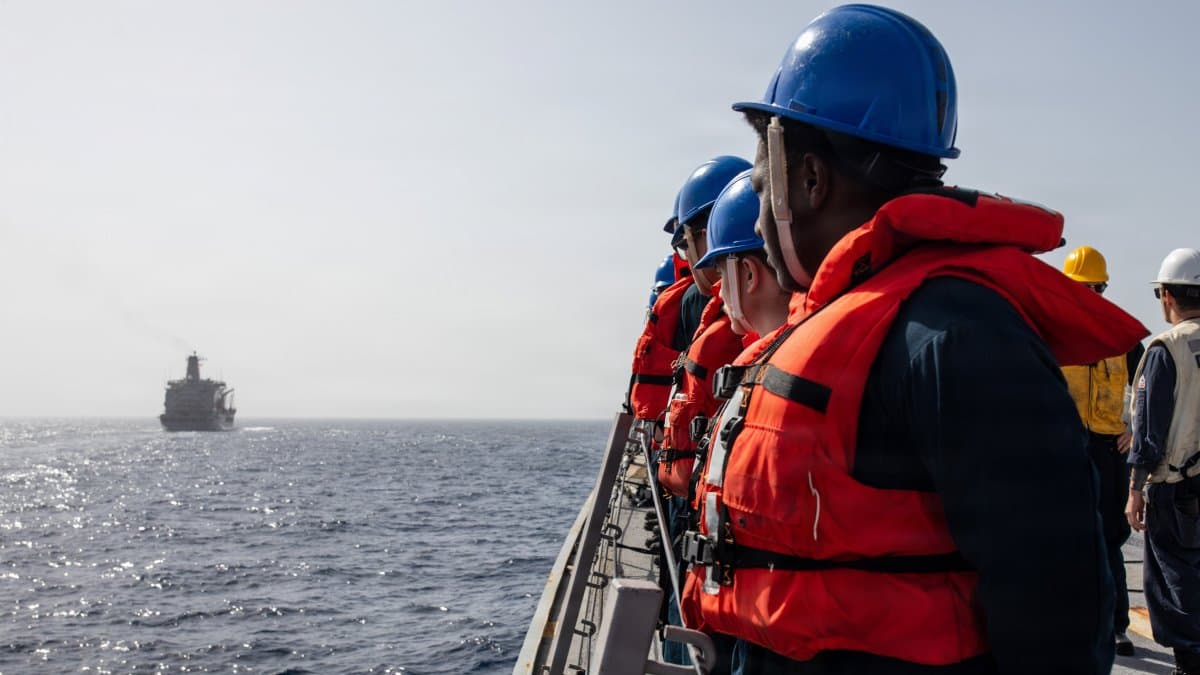
The U.S. War Department said its forces boarded a vessel in the Indian Ocean that was providing material support to Iran, the second time it had done so in three days.
"Overnight, U.S. forces carried out a maritime interdiction and right-of-visit boarding of the sanctioned stateless vessel M/T Majestic X transporting oil from Iran, in the Indian Ocean," it said on X.
05:37 am · Iran collects its first toll revenues in the Strait of Hormuz
A senior Iranian parliament official said Thursday that Tehran has received the first revenue from tolls it imposed on the strategic Strait of Hormuz during its war with the United States and Israel.
05:00 am. · Hormuz clearance may take 6 months
According to a Pentagon assessment, it could take six months to completely clear the Strait of Hormuz, which could keep oil prices high, the Washington Post reported.
Iran has virtually blocked this vital sea lane since the start of the war with the United States and Israel, which has led to a sharp rise in oil and gas prices and disrupted the global economy.
04:36 am · Standoff in the Strait of Hormuz
Iran vowed it will not reopen the Strait of Hormuz as long as the United States continues to blockade its ports.
"A complete cease-fire only makes sense if it is not violated by a naval blockade," said Iranian Parliament Speaker Mohammad Bagher Ghalibaf, who led Tehran's delegation to the first round of talks in Islamabad.
04:00 am · Iran execution
Iran hanged a man after he was convicted of belonging to a banned opposition group and alleged collaboration with Israel.
According to the judiciary's Mizan Online website, "Sultan-Ali Shirzadi-Fakhr was hanged early this morning for belonging to the terrorist group" of the People's Mujahideen Organization (MEK) and for "collaborating with the Israeli regime's espionage service."
03:35 am · Lebanon-Israel meeting
Israel and Lebanon will hold a new round of talks in Washington on Thursday, during which Beirut plans to request a one-month extension of the cease-fire that expires in the coming days.
Israel declared ahead of the talks that it has no serious disagreements with Lebanon, and called on it to work together against Hezbollah, a pro-Iranian terrorist group that is notably absent and opposed to the negotiations.
03:00 am · U.S. rejects 31 ships
U.S. Central Command (CENTCOM) announced late Wednesday that it had ordered 31 ships to turn around or return to port as part of its own blockade against Iran.
The statement explained that most of the ships have complied with U.S. directives and highlighted that the majority of the ships that have turned around have been oil tankers.
02:33 am · Israel strikes journalists in Lebanon
Israeli airstrikes in southern Lebanon, where a ceasefire is officially in effect, killed Amal Khalil, veteran correspondent for Al-Akhbar newspaper, and wounded freelance journalist Zeinab Faraj.
A Lebanese Red Cross official told AFP that Faraj was rescued, but Khalil died under the rubble.
02:00 am · Everything that has happened in the Middle East war so far, here:
🛠 Do you think there is an error in this article?
Recommendations





LATEST