Pakistan declares 'open war' on Taliban authorities in Afghanistan and attacks Kabul
Pakistan and Afghanistan, which long maintained cordial relations, have clashed sporadically since the Taliban took control of Kabul in 2021.

The Pakistani government on Friday declared an "open war" on Afghanistan's Taliban authorities and bombed major Afghan cities, including the capital Kabul, after months of deadly attacks between the two countries.
The clashes resumed on Thursday between Pakistan, a nuclear power, and its Taliban-ruled neighbor, when Afghan forces attacked Pakistani border troops in "retaliation" for earlier bombings.
Pakistan and Afghanistan, which long maintained cordial relations, have clashed sporadically since the Taliban took control of Kabul in 2021.
Location near Torkham
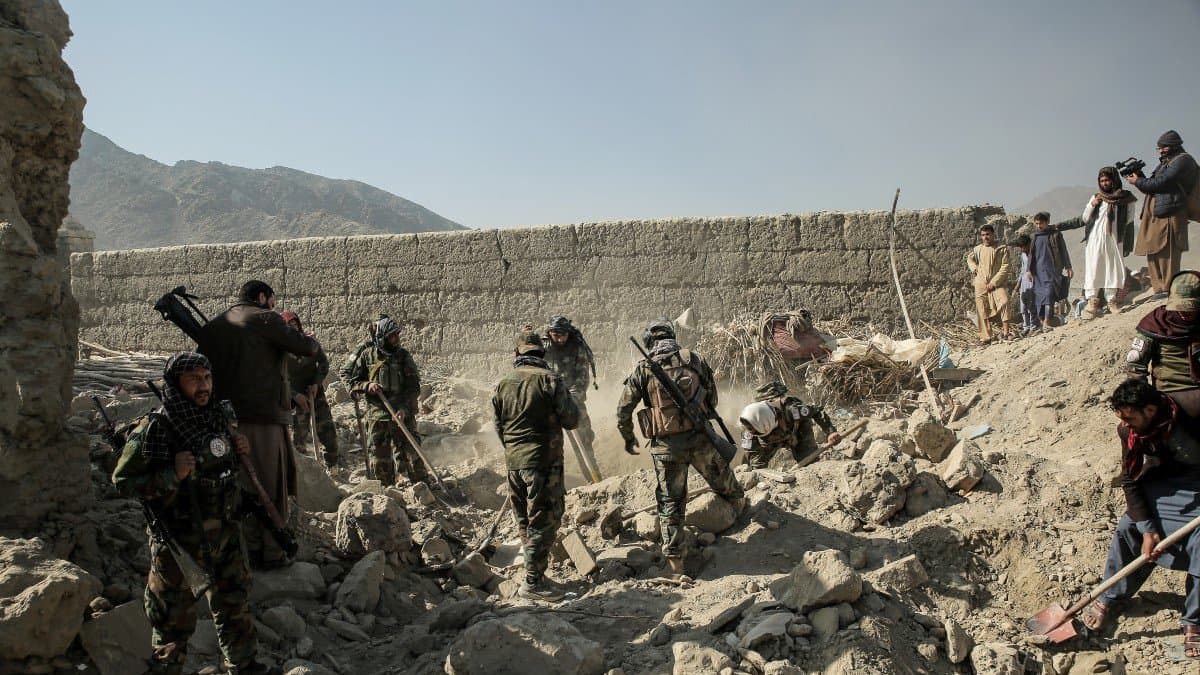
Near the key Torkham border crossing between the two countries, an AFP reporter heard shelling Friday morning, and a camp housing Afghans returning from Pakistan was hit by fighting during the night.
Islamabad accuses Afghan authorities of harboring armed militants who launch attacks against its territory, something Afghanistan denies.
"Our patience has reached its limit. From now on, it is open war between us and you," Pakistani Defense Minister Khawaja Asif assured early on Friday on X.
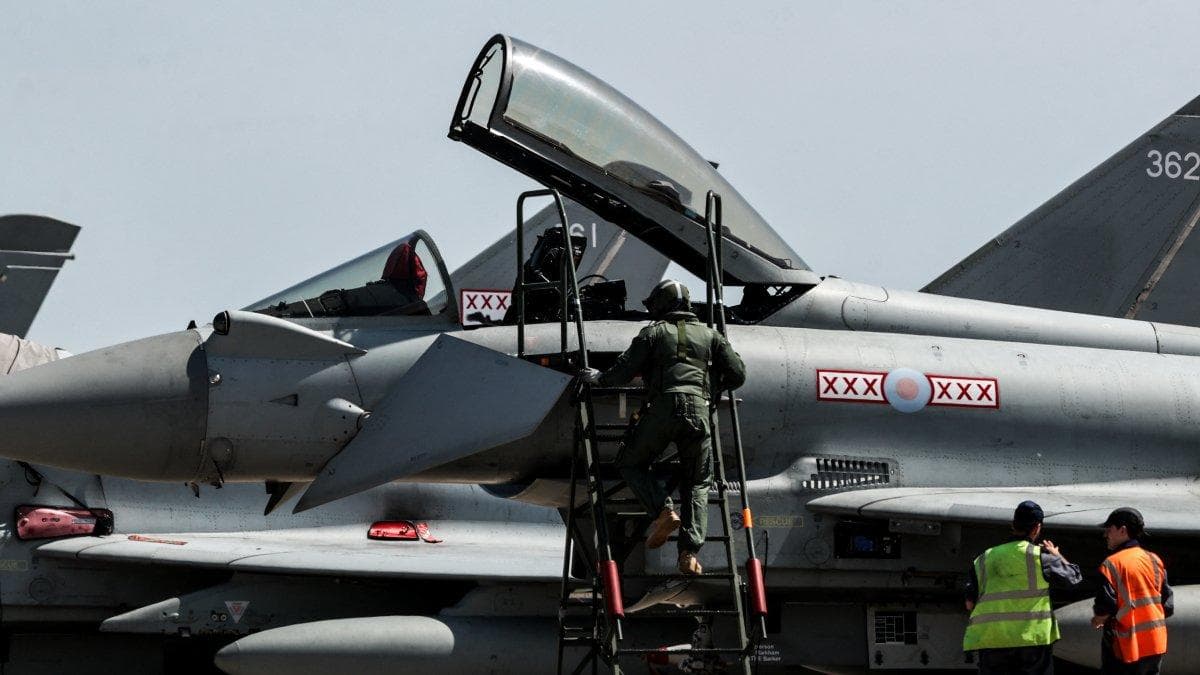
Shortly before, AFP journalists in the key cities of Kabul and Kandahar witnessed loud explosions and planes flying overhead.
Pakistani Interior Minister Mohsin Naqvi asserted that these attacks on Afghanistan constituted an "appropriate response" to attacks carried out by its neighbor.
At the same time, a spokesman for the Afghan Taliban authorities, Zabihullah Mujahid, announced on X that they would resume their air operations "on a large scale against positions of Pakistani soldiers," following those of the previous day and Islamabad's response.
Exchange of attacks
The Afghan army attacked border military installations in Pakistan on Thursday in retaliation, it says, for several deadly bombings, prompting an "immediate and forceful" response from Pakistani forces.
"Dozens of Pakistani soldiers have been killed," "several have also been wounded and others have been taken prisoner," Afghan spokesman Mujahid said.
He told AFP that more than 15 Pakistani outposts had fallen in two hours.
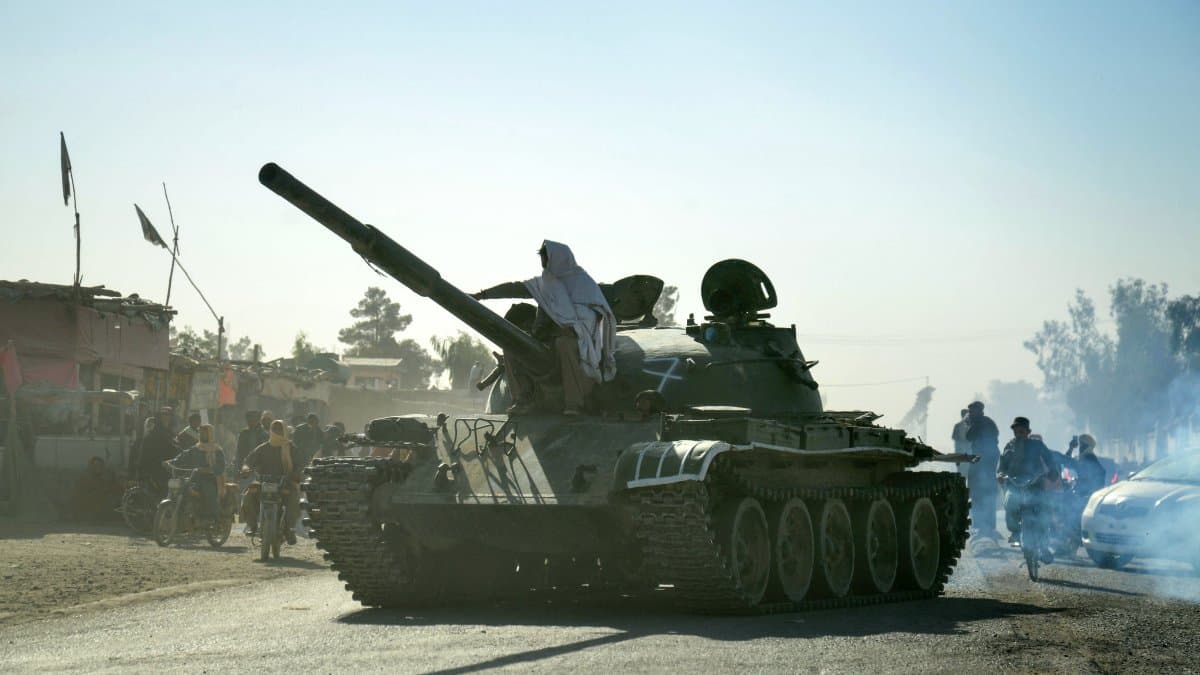
This information was denied by a spokesman for Pakistani Prime Minister Shehbaz Sharif, according to whom "no Pakistani posts have been taken or damaged," while "heavy losses" have been inflicted on the Afghans.
These "large-scale offensives were launched in retaliation against the enemy," Hamdullah Fitrat, deputy spokesman for the Afghan government.
Pakistani Information Minister Attaullah Tarar said that "Afghan Taliban defense targets" had been attacked in Kabul and Kandahar, as well as in Paktia province.
Extreme tensions
The assault by Afghan forces followed Pakistani airstrikes last weekend in Nangarhar and Paktika provinces, following "recent suicide bombings" in Pakistan.
According to the UN mission in Afghanistan, these bombings, the largest since clashes between the two neighboring states in October, killed at least 13 civilians, while the Taliban government claimed at least 18 people were killed.
Tuesday also saw exchanges of cross-border gunfire, which caused no casualties.
Relations between Pakistan and Afghanistan have deteriorated sharply in recent months as land border crossings have remained largely closed since fighting in October that killed more than 70 people on both sides, although Afghans returning home can cross the border.
After an initial cease-fire brokered by Qatar and Turkey, several rounds of negotiations have been held, but these efforts have failed to reach a lasting agreement.
Saudi Arabia stepped in this month to facilitate the release of three Pakistani soldiers captured by the Afghans in October.
🛠 Do you think there is an error in this article?
Recommendations


LATEST