






Argentina returns $20 billion to US, received in midst of exchange rate crisis
The disbursement, structured as a currency swap, took place in a context of strong pressure on the Argentine peso and in the midst of uncertainty prior to the October 26 parliamentary elections, which finally consolidated the ruling party of President Javier Milei.
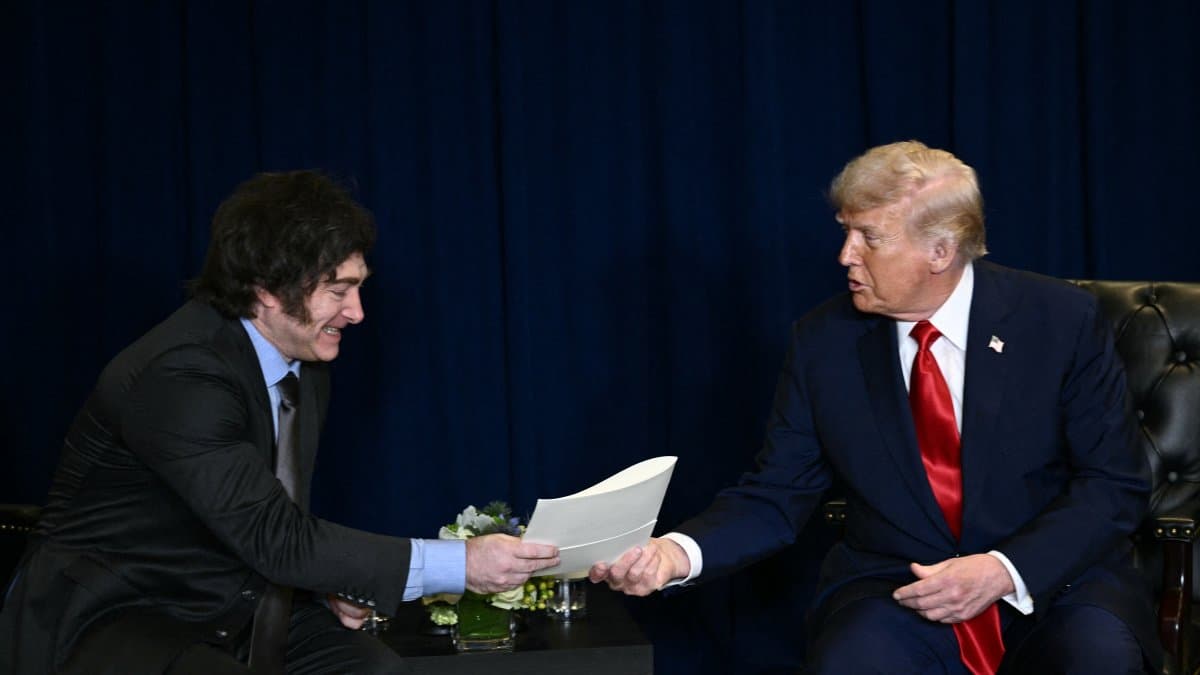

The government of Argentina reimbursed in full the $20 billion that United States had sent in October as an extraordinary line of financing to sustain the country's economic stability, U.S. Treasury Secretary Scott Bessent announced Friday.
The disbursement, structured as a currency swap, took place in a context of strong pressure on the Argentine peso and amid uncertainty prior to the October 26 parliamentary elections, which finally consolidated the ruling party of President Javier Milei.
"I am pleased to announce that, as a sign of its financial stability, Argentina quickly and fully repaid the funds advanced," Bessent said in a message posted on the social network X.
.@POTUS’s policy of Peace Through Economic Strength is transforming Latin America in ways that are America First, surrounding the United States with stability and prosperity.
President @JMilei continues to deliver with full force on his renewed mandate from the Argentine people…
A political and economic gesture
From Washington, the repayment was presented not only as a sign of financial solvency, but also as a strategic decision. "Stabilizing a solid U.S. ally is essential to putting America first," Bessent added, in direct reference to the America First doctrine pushed by President Donald Trump.
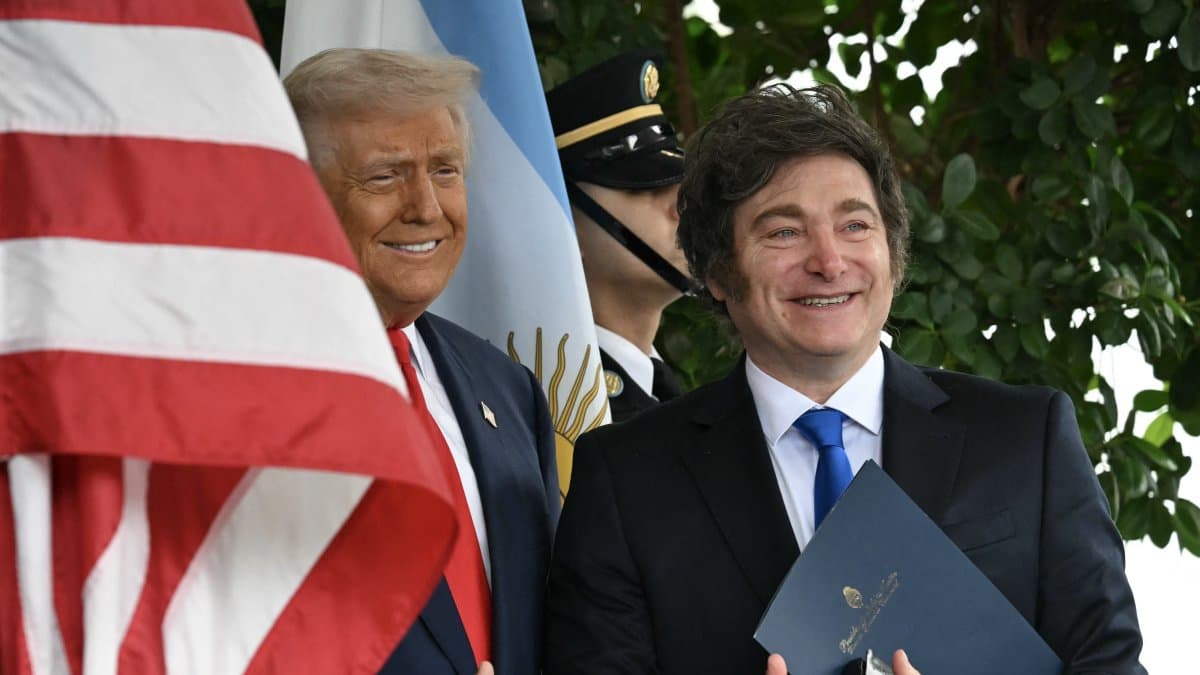
Milei is considered one of Trump's closest ideological allies in Latin America, which reinforces the political reading of the financial backing and its swift repayment.
Limited aid and strict conditions
In early January, Argentina agreed only to a $3 billion bridge loan provided by European banks Santander, BBVA and Deutsche Bank, with no participation by U.S. entities.
The short-term loan was guaranteed with Argentine sovereign debt and was aimed at reinforcing the Central Bank's reserves, at a key moment to sustain the new government's exchange rate policy.
"Argentina can stand on its own"
The early repayment of the 20 billion was ratified by the Executive after the electoral victory in October. The Minister of Economy, Luis Caputo, explained in December that the decision sought to send a clear message to the markets and international partners.
"We want to show that Argentina can stand on its own," he said at the time.
Muchas gracias Secretario @SecScottBessent y Presidente @POTUS por la confianza en nuestra política económica y por la celeridad para reaccionar ante evidentes ataques que tenían por único objeto el desestabilizar nuestro gobierno, al momento en que nuestra gente más… https://t.co/uYwFT9LxeL
The gesture reinforces the Milei administration’s narrative of fiscal discipline, alignment with Washington and a break with the prolonged financing schemes that marked previous stages of the Argentine economy.
🛠 Do you think there is an error in this article?
Recommendations


LATEST