Social protest grows in Iran as university students unite over rising cost-of-living
On the third day of spontaneous mobilizations, student protests were registered in at least 10 universities in different regions of the country.
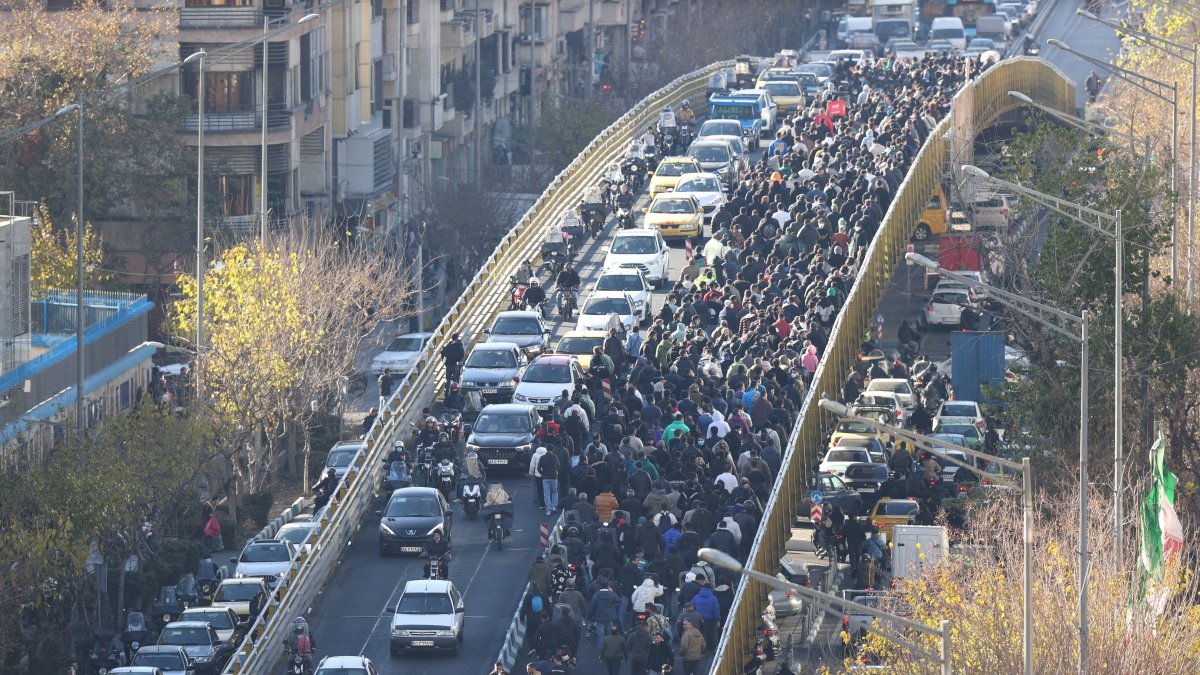
University students join protests in Iran.

The protests against the high cost of living and hyperinflation in Iran intensified this week with the incorporation of university students, in a movement that broadens the social discontent initiated days earlier by shopkeepers in the capital.
On the third day of spontaneous mobilizations, student protests were registered in at least 10 universities in different regions of the country, according to agencies in the country. Seven of these centers are located in Tehran, including some of the country's most prestigious universities, while other demonstrations took place in Isfahan and Yazd, in central Iran, and in Zanyan, in the northwest.
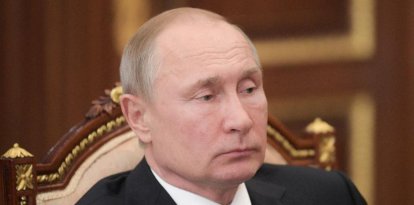
The Iranian president, Masud Pezeshkian, reacted publicly to the growing social unrest and claimed to have asked the interior minister to listen to "the legitimate demands" of the demonstrators, with the aim that the regime act "responsibly" to solve the economic problems.
On the ground, however, the response to popular discontent included a widespread deployment of security forces.
Journalists from AFP noted on Tuesday the presence of police and anti-riot units on Tehran's main thoroughfares and around several universities. Images released by the state-run Fars news agency showed the use of tear gas to disperse some rallies.

JNS
Treasury sanctions 29 vessels in Iran’s ‘shadow fleet’ used to transport illicit petroleum
JNS (Jewish News Syndicate)
Runaway inflation and currency in free fall
The regime of the ayatollahs has been facing for years a persistent economic deterioration, marked by the accelerated rise in commodity prices and the chronic devaluation of its currency. According to the Statistics Center of Iran, prices rose 52% year-on-year in December, a figure that reflects the constant pressure on the population's purchasing power.
On Sunday, the Iranian rial hit a new all-time low on the black market, surpassing 1.4 million rials to the dollar and 1.7 million to the euro, compared with 820,000 and 855,000 respectively a year ago. Although the currency recovered slightly on Monday, volatility continues to cripple key sectors of trade, especially that of imported goods.
This situation was the trigger for the first protests, which began Sunday in Tehran's largest cell phone market and quickly spread to other sectors and cities.

Politics
Treasury Department sanctions Iran and Venezuela for trade in arms and combat drones
Diane Hernández
Judicial warning
Meanwhile, and in a context of intense cold and energy shortages, the authorities decreed for Wednesday the closure of schools, banks and public offices in Tehran and other regions of the country, a measure that the state press officially disassociated from the protests.
The incorporation of students - historically a key player in protest movements in Iran - adds a new dimension to a crisis that combines economic pressure, social discontent and an increasingly adverse international environment for the Iranian regime.
LATEST