






Trump receives Syrian president in historic meeting at the White House
The U.S. leader had already expressed sympathy for the Syrian interim president during their first meeting in May in the Persian Gulf.
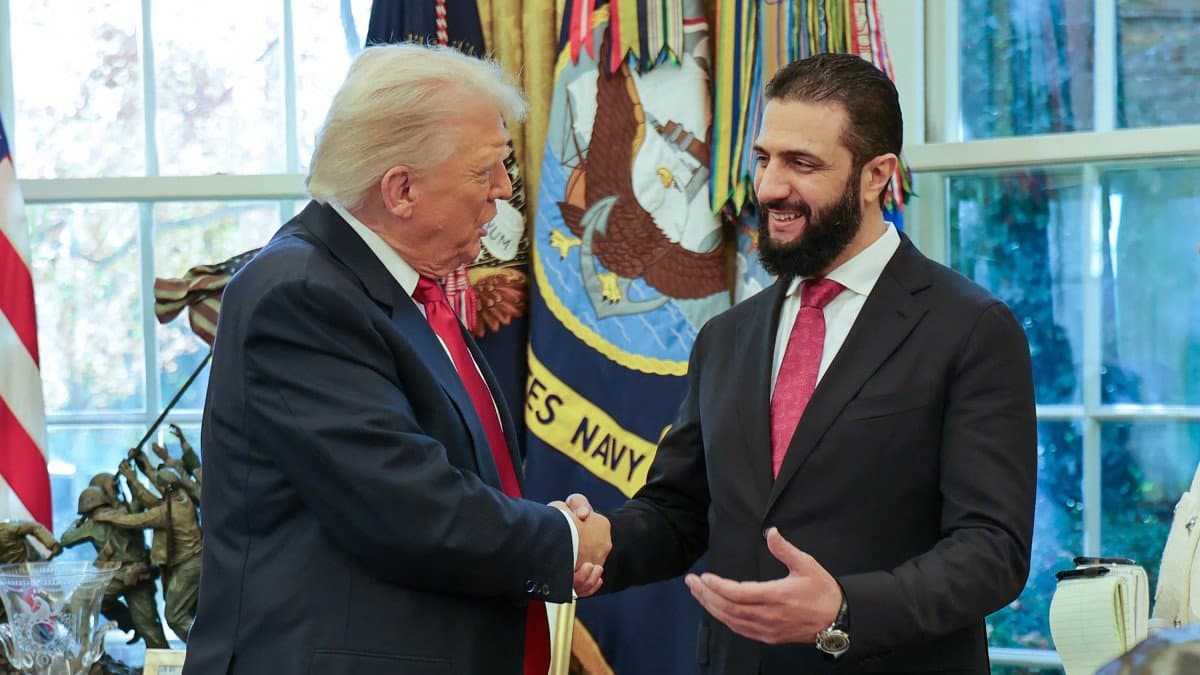

(AFP) From the FBI blacklist to the White House: Donald Trump received Ahmed al Sharaa on Monday, a first for a Syrian head of state and a consecration for the ex-jihadist.
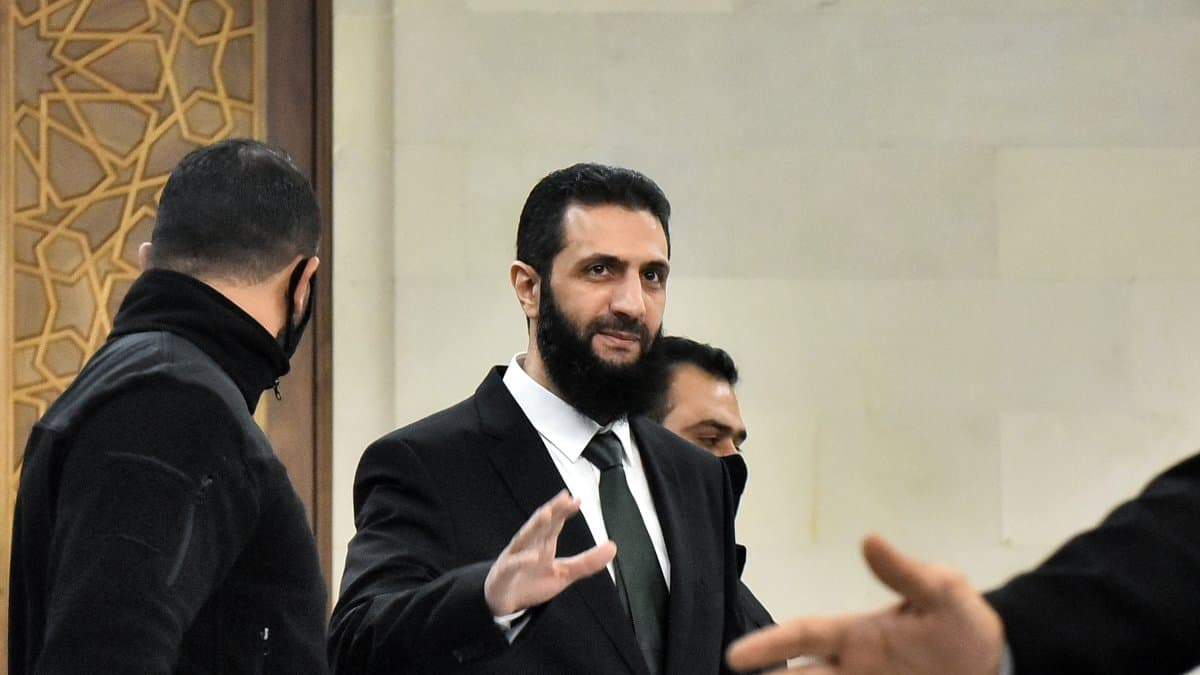
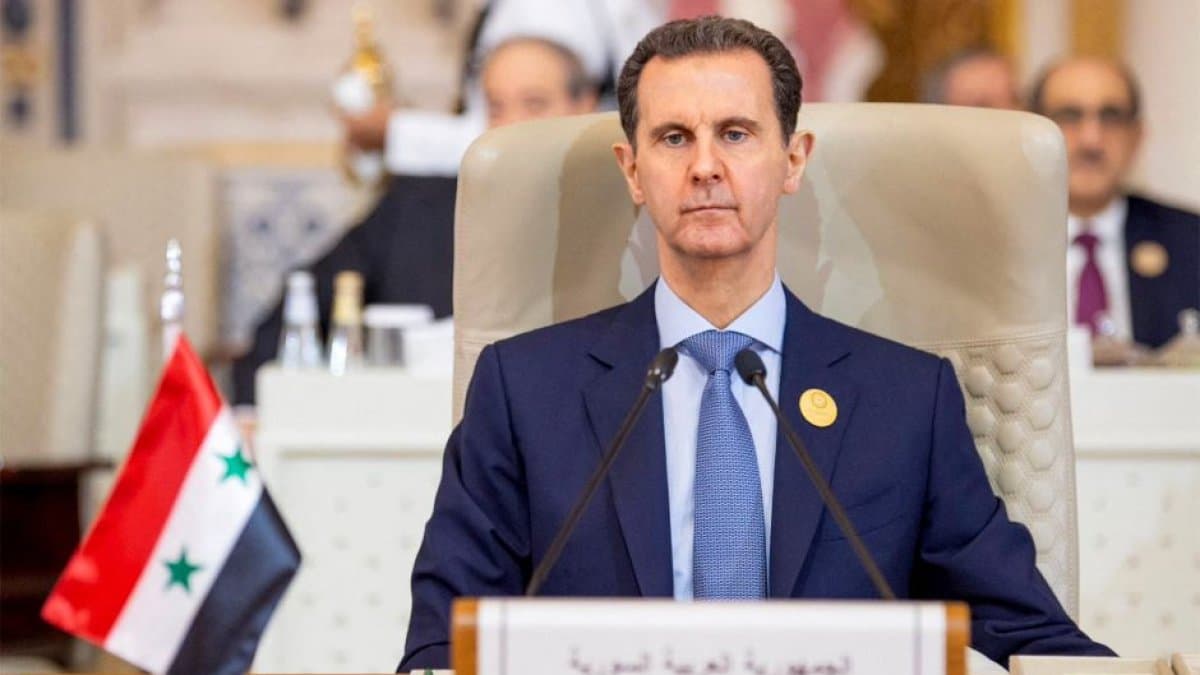
Al Sharaa, who led a rebel coalition of Islamists that toppled Bashar al-Assad last December after decades in power, is the first Syrian leader to visit the White House since the country's independence in 1946.
"I like him," Trump said after the meeting, which took place away from the cameras. He added that he wants Syria to become a "very successful" country after 14 years of civil war and that Al Sharaa "can do it; I really believe that."
"He is a very strong leader," he said. "People said he's had a difficult past; we've all had difficult pasts (...). And I honestly think that without a difficult past you don't stand a chance," Trump noted.
Trump had already expressed his sympathy for the Syrian interim president during their first meeting in May in the Persian Gulf.
Now, on the occasion of this historic visit, the State Departmentannounced a new pause in U.S. sanctions, while waiting for Congress to eventually lift them for good.
Al Sharaa arrived quietly at the White House at 11:37 local time (16:37 GMT).
He entered through a side entrance, without the protocol usually reserved for foreign heads of state and government, whom the U.S. president almost always receives on the portico.
Supporters
Journalists were also not invited to the Oval Office in the presence of the two leaders, contrary to what usually happens on official visits.
The Syrian leader left around 13:20 local time (18:20 GMT) and stopped for a few moments to greet supporters cheering him in front of the White House.
In a brief statement in X accompanied by some photos, the Syrian presidency said the two leaders had discussed "ways to develop and strengthen" the bilateral relationship, as well as "a number of regional and international issues of common interest."
Al Sharaa obtained a new 180-day pause of the Caesar law imposing draconian U.S. sanctions against the government of Bashar al-Assad, already suspended in May.
The Trump administration wants a full repeal of this 2019 law, which excludes Syria from the international banking system and financial transactions in dollars, but this requires a congressional vote.
Neither Washington nor Damascus immediately communicated another announcement that was expected Monday.
During the visit, Syria was to sign an agreement to join the international anti-terrorism coalition led bythe United States, according toU.S. envoy for Syria, Tom Barrack.
World
The U.S. eliminated a key attack planner from an Al Qaeda affiliate in Syria
Luis Francisco Orozco
Military base
The United States, for its part, plans to establish a military base near Damascus "to coordinate humanitarian aid and observe developments between Syria and Israel," according to another diplomatic source in Syria.
Washington on Friday removed al-Sharaa, 43, from the terrorist blacklist.
Since 2017 and until last December, the FBI was offering a $10 million reward for any information leading to the arrest of the leader of the former local branch of al-Qaida, the Hayat Tahrir al-Sham (HTS) group.
On Thursday, the UN Security Council also lifted sanctions against Al Sharaa, at the initiative of the United States.
Since taking power, the Syrian leader has broken with his past and opened up to the West and regional states, including Israel, with which his country is theoretically at war.
However, he also promised to "redefine" Syria's relationship with Vladimir Putin's Russia, with whom Al Sharaa met in Moscow less than a month ago. Russia is a key ally of Al Asad, who is precisely in asylum there.
"Trump is bringing Al Sharaa to the White House to say that he is no longer a terrorist (...) but a pragmatic and, above all, flexible leader who, under US and Saudi leadership, will make Syria a regional strategic pillar," explains analyst Nick Heras.
In May, Trump had urged Al Sharaa to join the Abraham Accords, which led several Arab countries to recognize Israel in 2020.
🛠 Do you think there is an error in this article?
Recommendations

LATEST