





Maduro attacks Rubio, pleads with Trump not to take military action "against Venezuela" amid Caribbean drug trafficking operation
The Cartel de los Soles, led by the Venezuelan dictator, was designated as a terrorist organization by the United States, Ecuador, Paraguay, and Argentina.
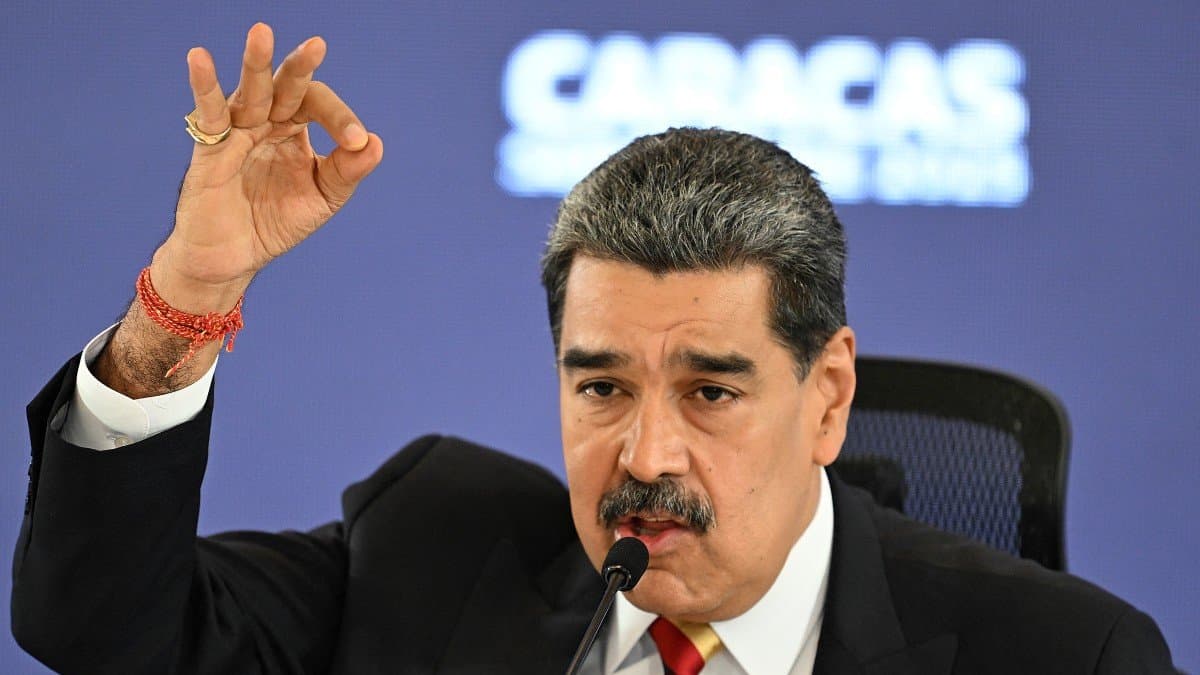

Venezuela's dictator, Nicolas Maduro, again attacked the United States by denouncing the deployment of eight U.S. military vessels in the Caribbean Sea, near the Venezuelan coast, accompanied by a nuclear submarine and equipped with more than 1.200 missiles, as part of an anti-drug and anti-cartel operation promoted by President Donald Trump.
Maduro said the mobilization is "the greatest threat seen in our continent in the last 100 years," comparing it to the 1962 Cuban missile crisis.
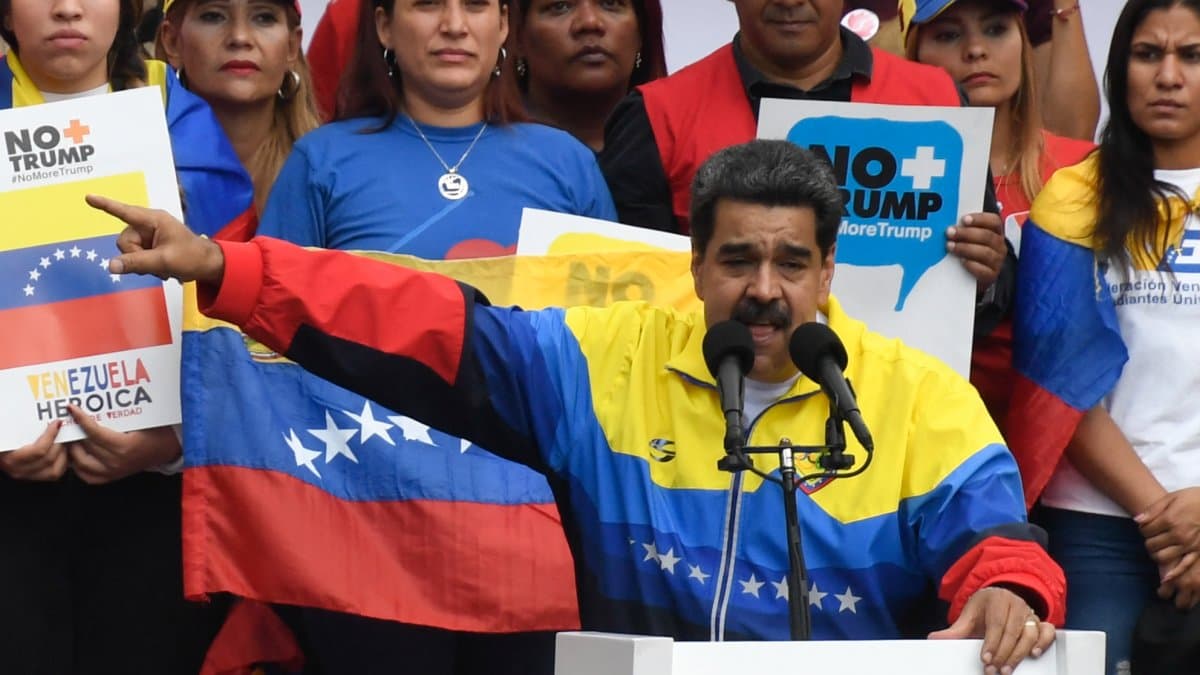
"It is an extravagant, unjustifiable, immoral, and absolutely criminal threat," he said in a defiant tone at a meeting with the international press in Caracas.
During his address, Maduro launched direct attacks against the secretary of state, Marco Rubio, whom he blamed, according to his version, for promoting "regime change" in Venezuela.
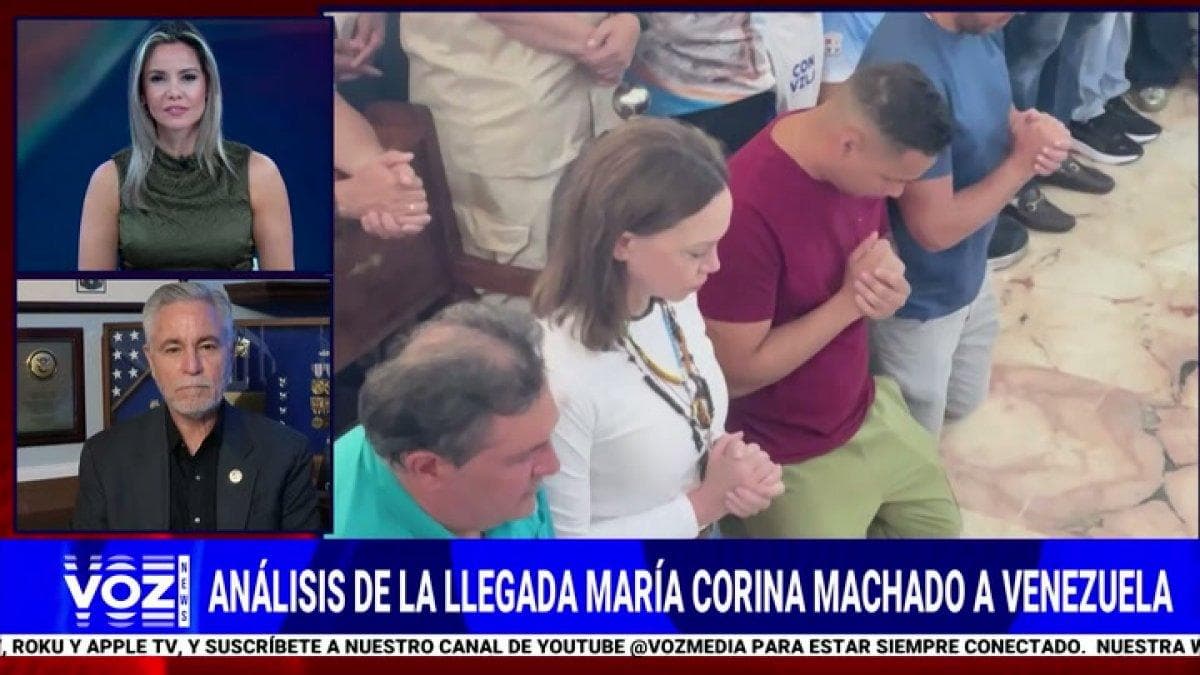
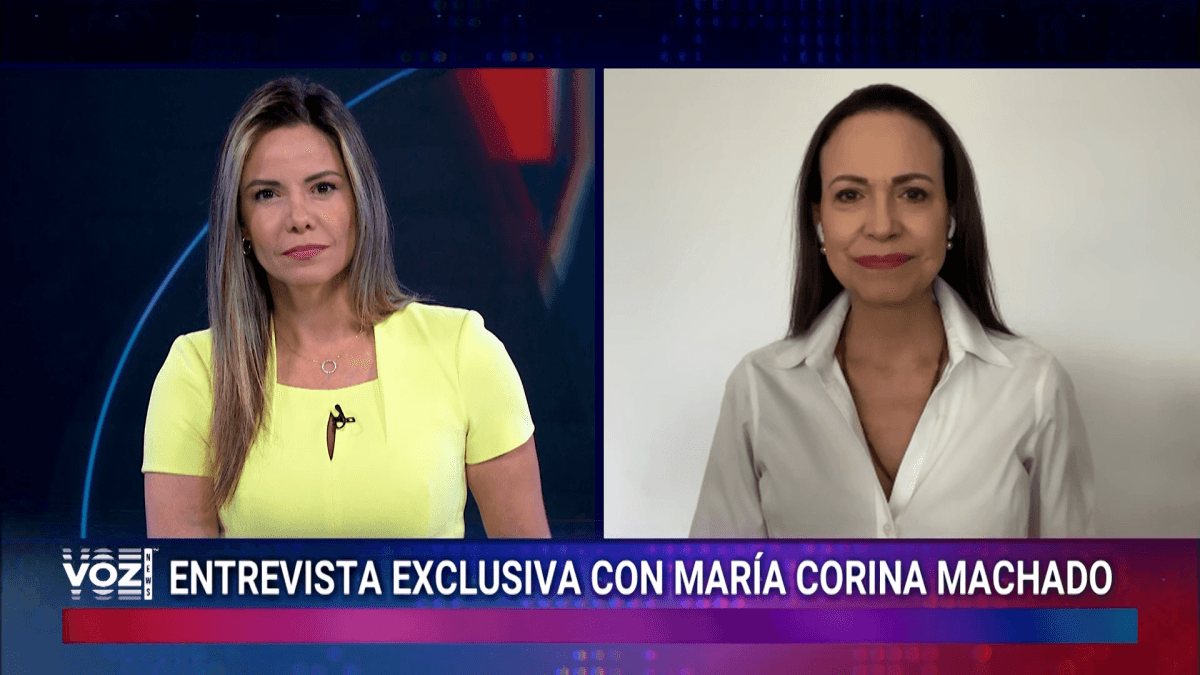
"I'm going to give you a fact," Maduro said before presenting, without evidence, an alleged meeting between Rubio and Venezuelan opposition leaders María Corina Machado and Edmundo González. "The warlord, the boss of the White House, Marco Rubio, after visiting the Southern Command on Friday, on Saturday morning, communicated with the old man (Edmundo Gonzalez) and the Sayona (Maria Corina Machado), they made a videoconference. And what I am told by the people who saw and listened to that, and who recorded it, is that Marco Rubio assured him that they were going to make the regime change and the old man and the Sayona were going to make the government in the country."
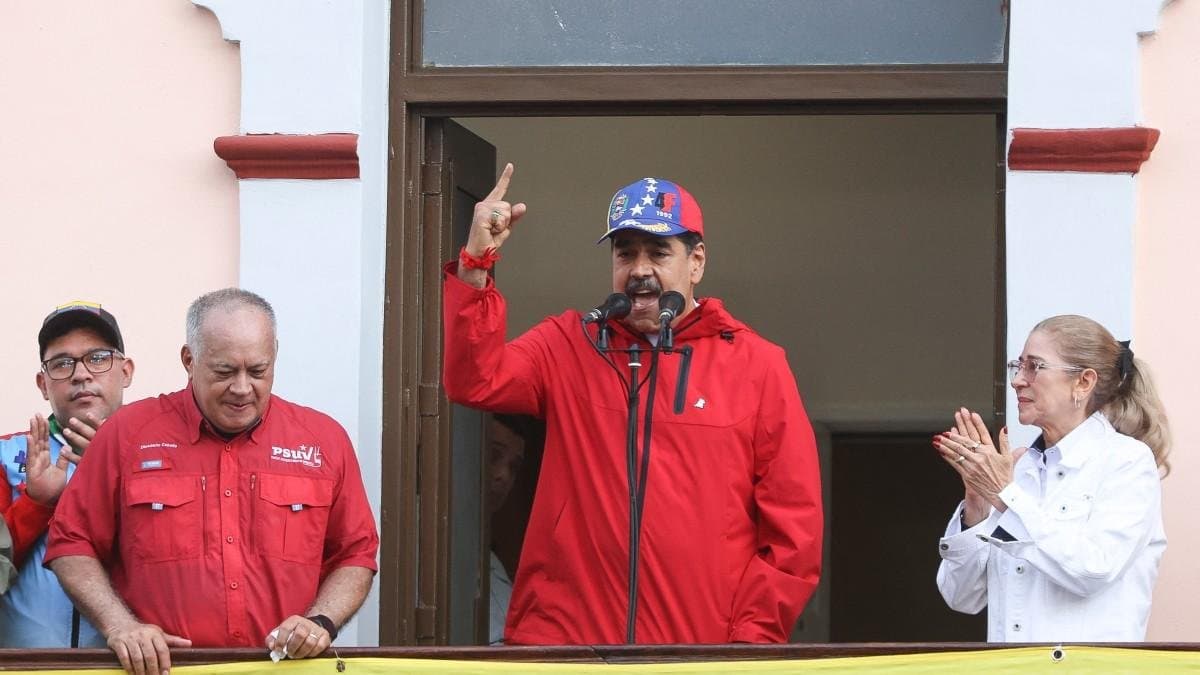
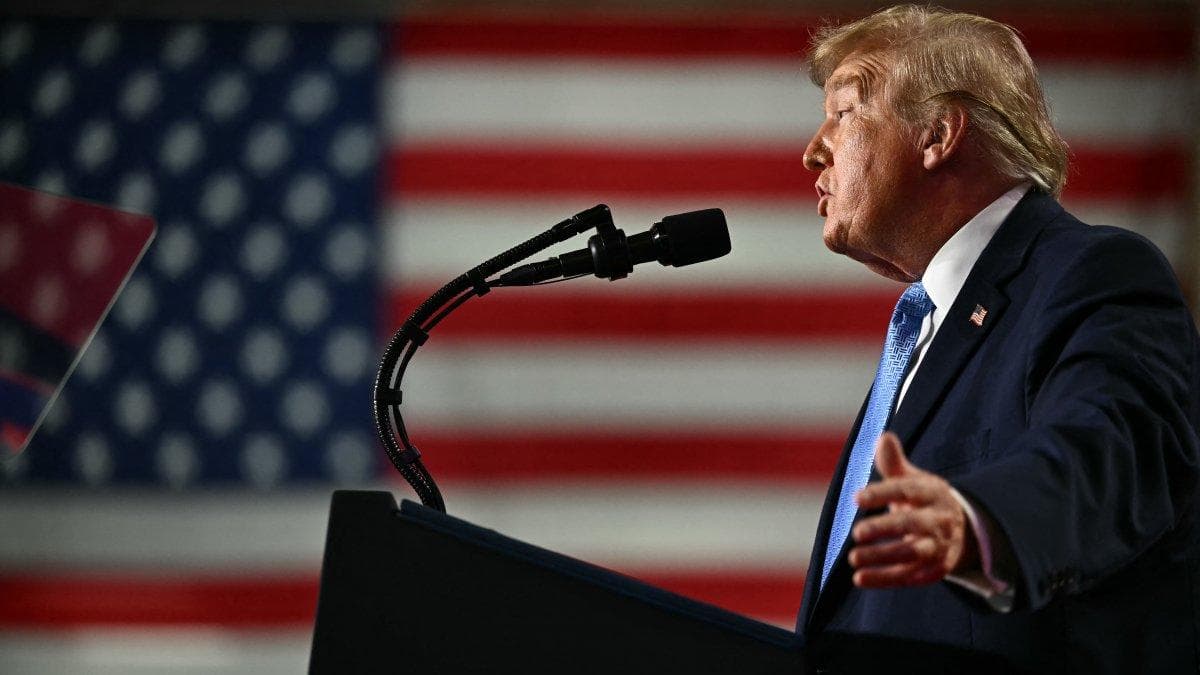
The dictator, later on, directly asked President Trump not to opt for the military route "against Venezuela" with a pleading and clemency tone: "I also say to President Trump, if you, President Trump, seriously want to talk about a fight to end drug trafficking, Venezuela has the experience. Modestly, we have the experience and concrete results."
The Chavista leader, usually critical of the White House and Trump himself, assured that he had activated 4.5 million militiamen and ordered the enlistment of reservists, insisting that, if Venezuela is attacked, it will pass "to the period of armed struggle in defense of the national territory". However, despite Maduro's grandiloquent words, many independent reports show that the recruitment drives in Venezuela have been a numerical failure and that the regime has been forced to relocate and mobilize public officials on a forced basis to use them as propaganda.
Maduro against the wall
Washington's military deployment comes weeks after a secret Pentagon order came to light, signed by Trump himself, to use force against drug cartels in the hemisphere, including the Cartel of the Suns, led by Maduro and the top echelons of the Chavista regime, according to the US.
The Cartel of the Suns, linked to the most dangerous cartels in the region and to guerrilla and terrorist groups such as the FARC and the ELN, was designated as a terrorist organization by the United States, Ecuador, Paraguay, and Argentina. Other countries are in the process of joining the measure.
Likewise, the United States recently increased the reward for information leading to the capture of Maduro to US$50 million, the highest amount in the country's history for someone accused of narco-terrorism, even higher than Osama bin Laden.
World
Several Trump advisors put Maduro's future in question:"He might just leave in a body bag"
Emmanuel Alejandro Rondón
From Caracas, Maduro described Washington's offensive as "an absurd narrative" aimed at justifying a "gunboat diplomacy". However, despite the attacks against the Trump Administration, the Chavista dictator constantly sent messages to Trump trying to build a bridge.
Guyana backs U.S. deployment
If Maduro was under maximum pressure, tensions were further heightened by the position of Guyana's president, Irfaan Ali, who fully backed the U.S. operation after denouncing an alleged attack by the Chavista regime against a Guyanese vessel carrying electoral material.
"We will support everything that eliminates any threat to our security, not only in terms of sovereignty (...) We must unite to fight transnational crime, to fight drug trafficking," Ali said after voting in the elections in which he is seeking re-election.
In addition, diplomatic relations between Caracas and Washington, suspended years ago, are at their lowest point, with the Venezuelan dictator acknowledging that the channels of communication established with White House envoys are "broken" after the military deployment.
🛠 Do you think there is an error in this article?
Recommendations
LATEST