






Trump makes good on his threat and sues the BBC for $10 billion over edited speech
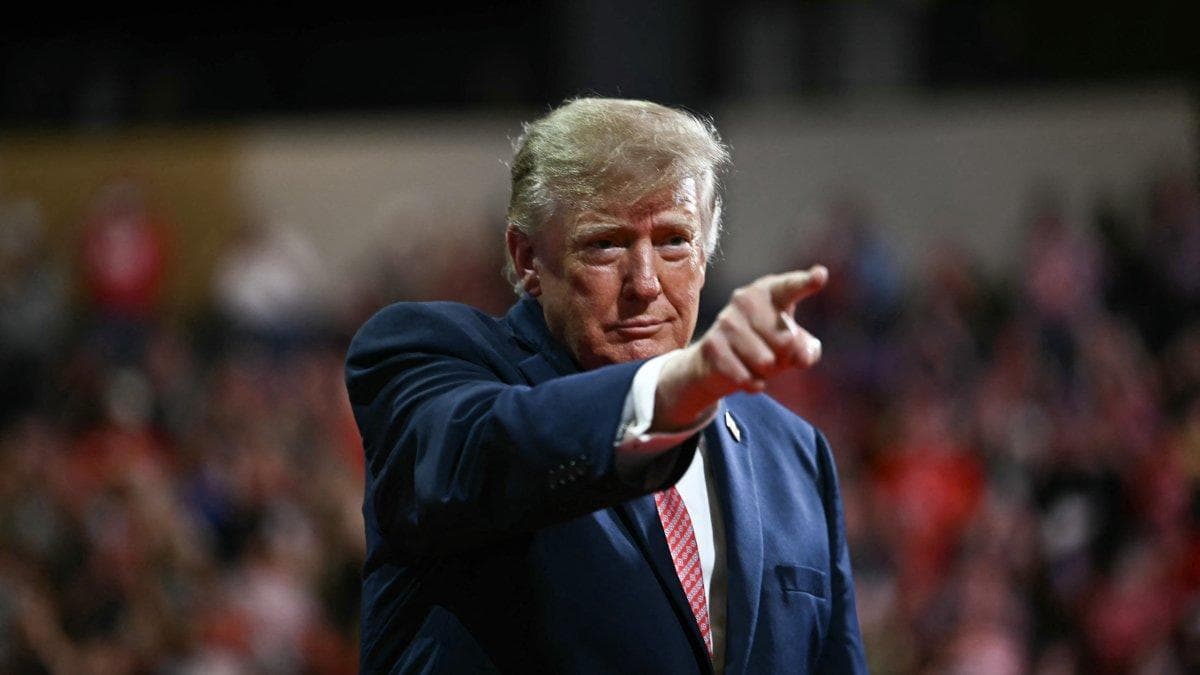
The lawsuit was filed in federal court in the state of Florida. In it, the president's lawyers argue that the BBC "maliciously and intentionally" edited separate statements for nearly an hour to give the impression that Trump incited his supporters to commit acts of violence during the assault on the Capitol.
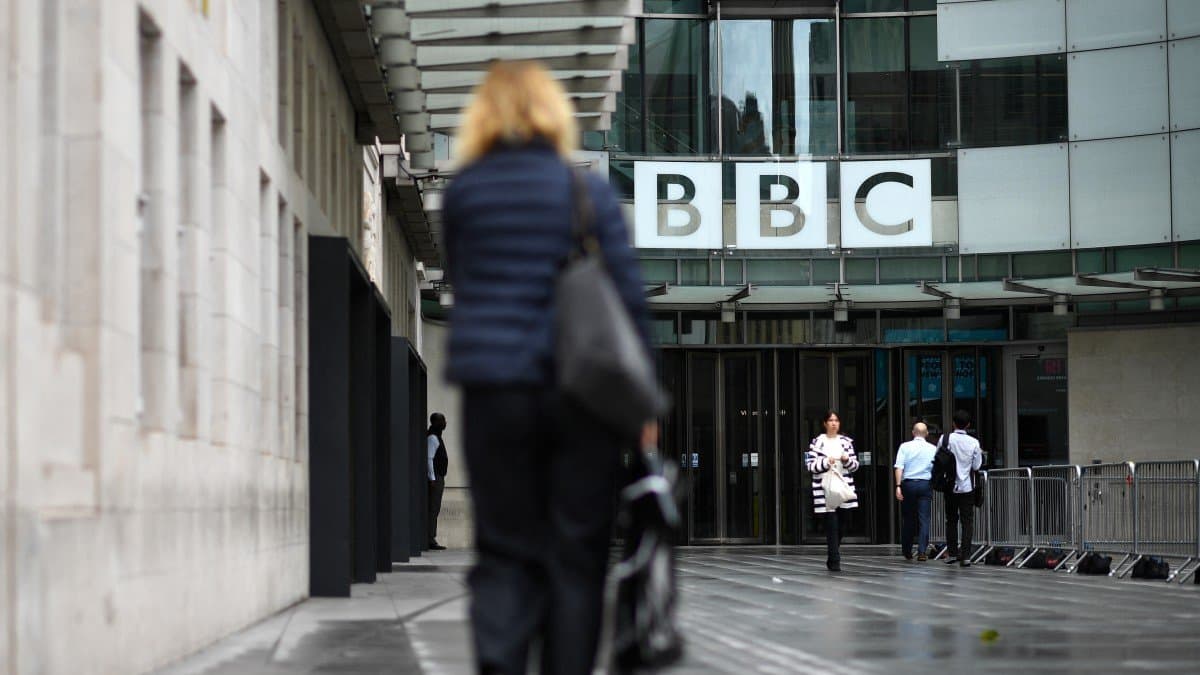

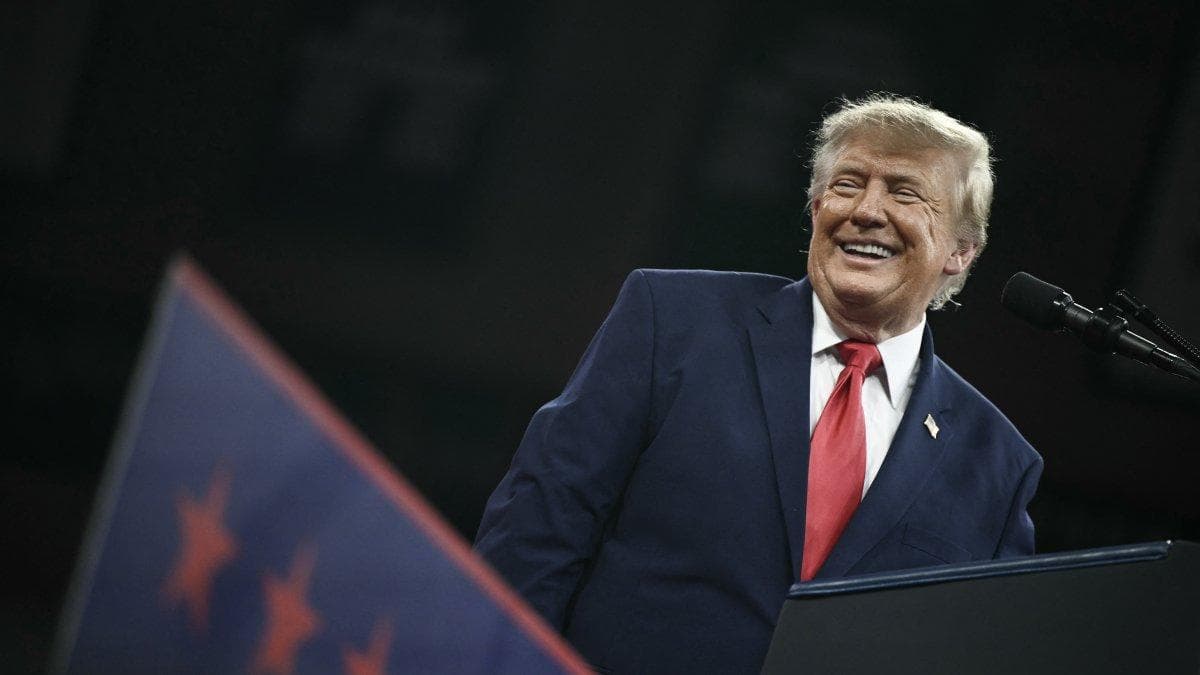
President Donald Trump filed a civil lawsuit against British public broadcaster BBC for $10 billion, despite the fact that the broadcaster had already offered apologies for the broadcast of a program that edited out excerpts of his January 6, 2021 speech.
The legal action was filed in federal court in the state of Florida. In it, the president's lawyers argue that the BBC "maliciously and intentionally" edited separate statements for nearly an hour to give the impression that Trump incited his supporters to commit acts of violence during the assault on the Capitol.
According to the lawsuit, the BBC's Panorama program combined a message delivered by Trump at the White House—in which he stated that he and his supporters would "going to walk down to the Capitol" to support Republican lawmakers—with another comment made approximately 54 minutes later, in which he exhorted his followers to "fight like hell."
According to the court filing, "it would have been impossible for BBC’s journalists and producers to splice together two distinct parts of the Speech from nearly 55 minutes apart unless they were acting intentionally." The lawsuit adds that such a "dramatic distortion" could not have occurred by mistake.
The clip aired by the BBC presented both excerpts as one continuous sentence, suggesting that the then-president called directly for physical confrontation. Trump's defense contends that editing altered the original meaning of his words and severely damaged his reputation.
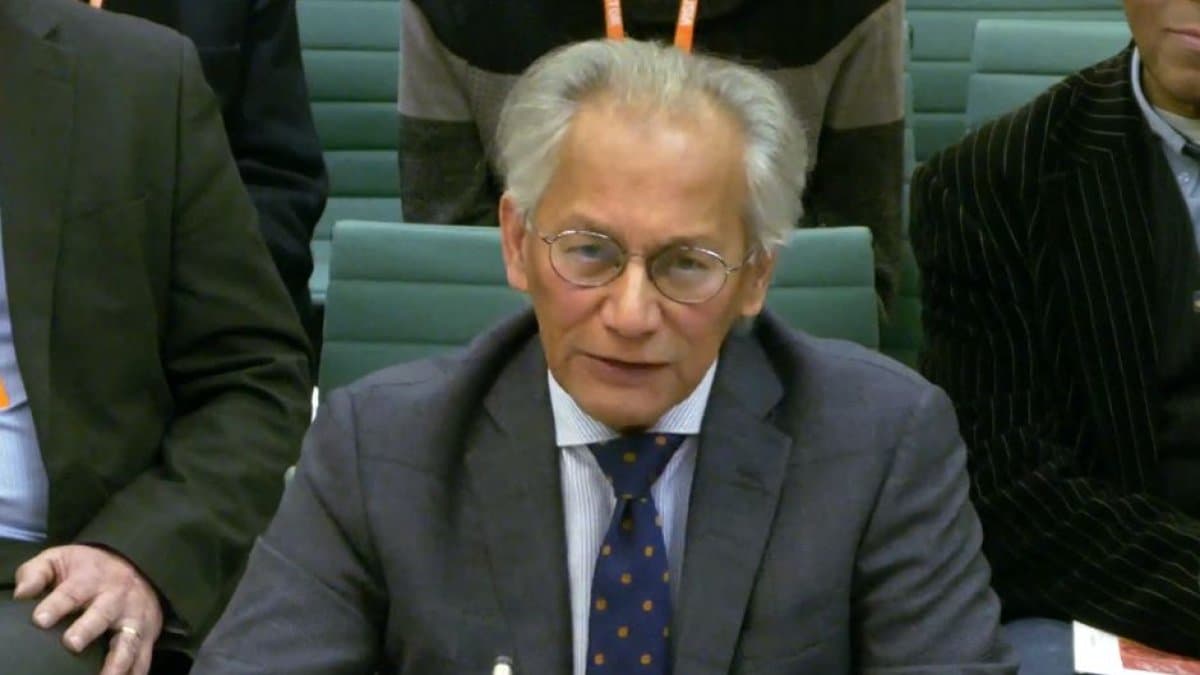
Following the controversy, the BBC issued a public apology and acknowledged that the editing of the segment did not meet the corporation's editorial standards by generating a misleading impression. The network assured that the material would not be rebroadcast, although it refused to qualify the content as defamatory.
The lawsuit against the BBC adds to a series of legal actions pushed by Trump against media outlets. In recent months, the president has reached settlements with CBS News and ABC News over alleged deceptive editing of content, and maintains open litigation against The Wall Street Journal and The New York Times.
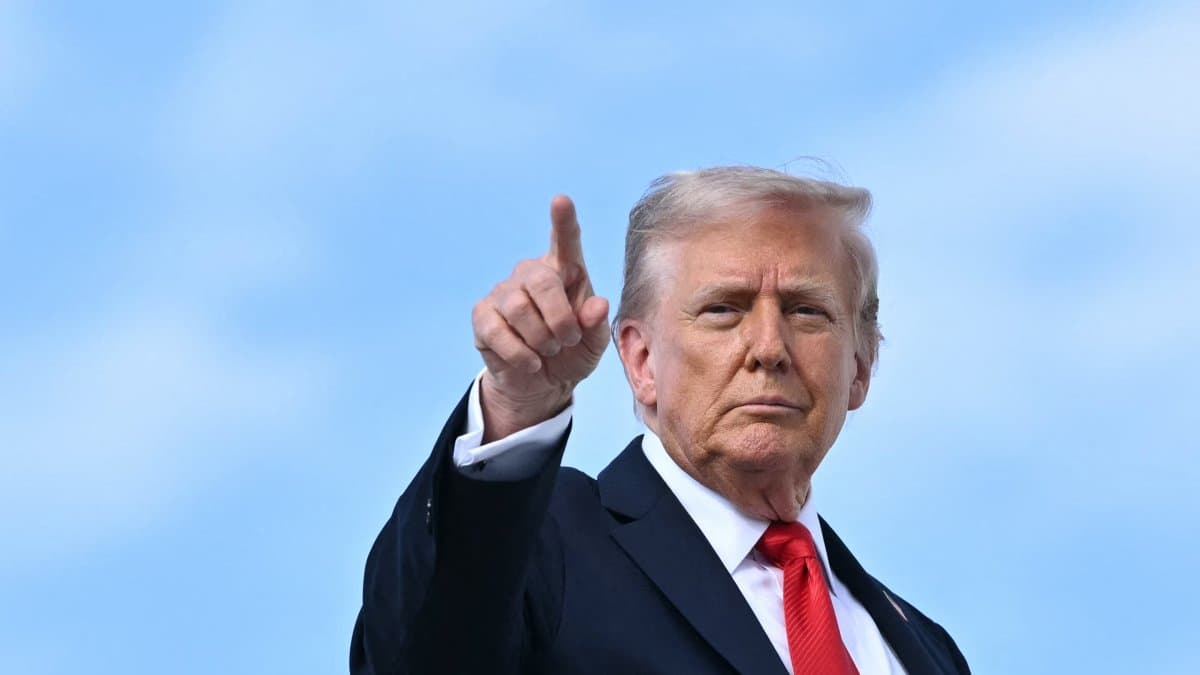
The case again raises the debate over the limits of journalistic editing, the editorial responsibility of public media and legal protection in the face of possible reputational damage to political figures.
🛠 Do you think there is an error in this article?
Recommendations
LATEST