Putin calls US attack on Iran 'unprovoked aggression'
The comments were made during a meeting with Iranian Foreign Minister Abbas Araqchi, who arrived in Moscow on Sunday for talks with the Russian president.

Putin in the Kremlin/ Alexander Kazarov

(AFP) Following the U.S. offensive over the weekend targeting the ayatollahs' regime and its nuclear program, Russian President Vladimir Putin on Monday condemned the attacks as "unprovoked, baseless and unjustified aggression."
The comments came during a meeting with Iranian Foreign Minister Abbas Araqchi, who arrived in Moscow on Sunday night for talks with President Putin.
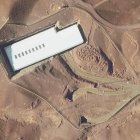
Russia had already condemned the U.S. strikes on Iran on Sunday, calling the bombings "irresponsible."
"We strive to provide our assistance to the Iranian people," the Russian president said Monday, expressing his satisfaction at receiving Araqchi to “discuss these pressing issues and consider together how to resolve the current situation.”
However, Putin did not clarify whether Moscow is prepared to offer military assistance to Tehran in its conflict with Israel—despite claims by Kiev and its allies that Iran supplied explosive drones to Russia, which were used in its large-scale offensive against Ukraine.
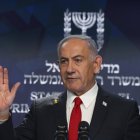
For his part, the Iranian foreign minister, who praised the "very close" ties with Moscow, condemned what he called the "unprovoked aggression" by Israel and the United States against his country, which he has said "exercises its legitimate right to self-defense."
"In this new dangerous situation (...), our consultations with Russia can certainly be of great importance," Abbas Araqchi said, quoted by Russian news agencies.
Putin cannot "be an objective mediator."
However, the European Union responded cautiously to the proposal, with Brussels saying that Russia could not "be an objective mediator."
Last Friday, the Kremlin leader appeared to soften his stance, clarifying that he was merely offering “ideas” to help resolve the conflict.
Moscow has significantly deepened its ties with the Iranian regime in recent years. In January, the two countries signed a strategic partnership treaty aimed at strengthening their relationship—particularly in the military sphere—though it does not include a mutual defense pact.
LATEST