China tightens trade restrictions against Japan amid deteriorating bilateral ties
The measures announced Tuesday affect the sale of so-called “dual-use” products, meaning those with both civilian and military applications, to 20 Japanese entities, including subsidiaries of Mitsubishi Heavy Industries and Japan’s space agency, Japan Aerospace Exploration Agency.
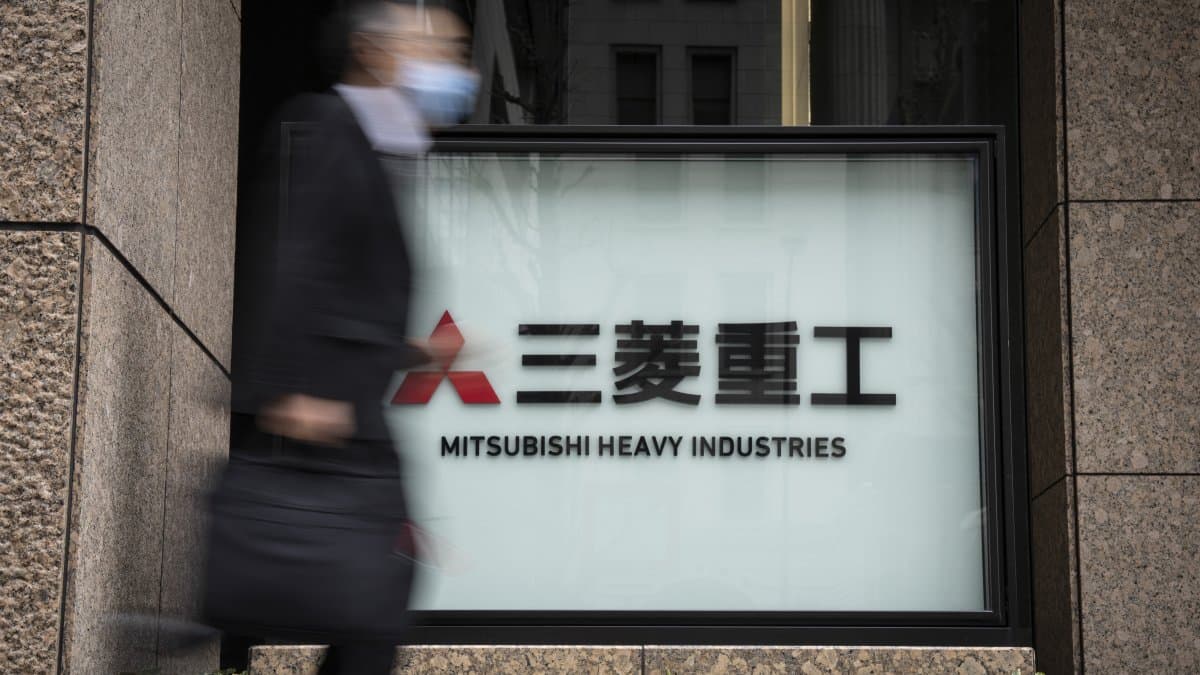

China announced Tuesday new export restrictions targeting dozens of Japanese companies it claims are involved in strengthening Tokyo's military, escalating a dispute that has been simmering for months.
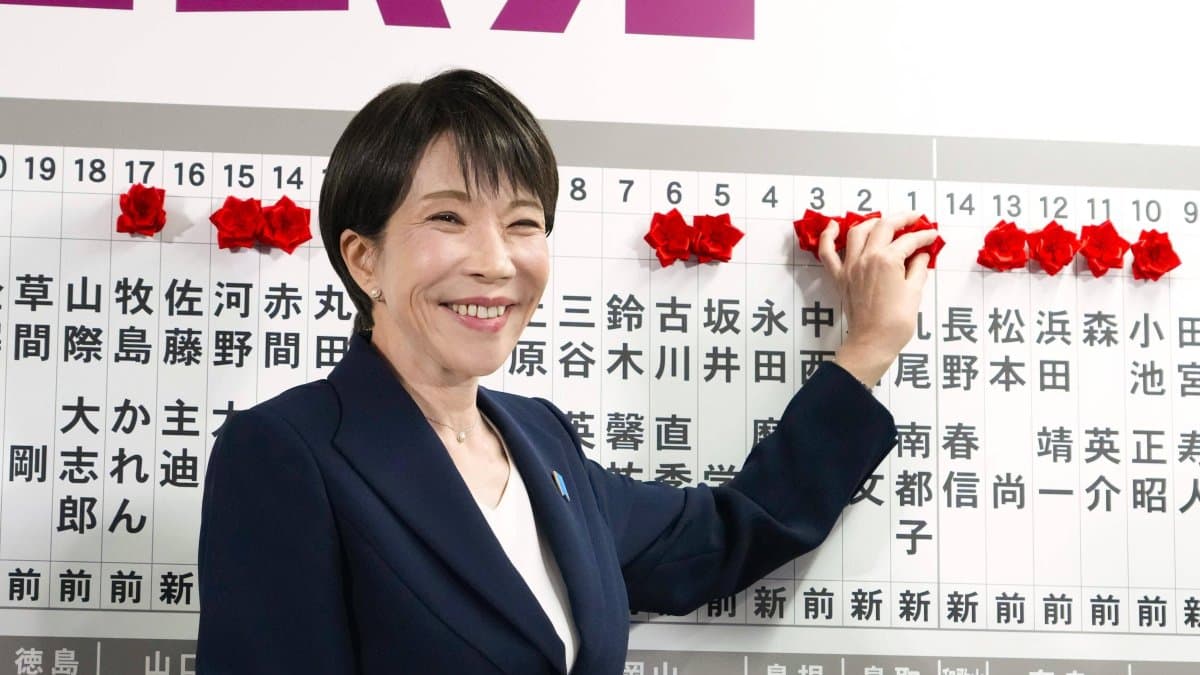
The conflict between the two major Asian economies originated after statements by Prime Minister Sanae Takaichi in November, in which she said that Japan could intervene militarily if Taiwan were attacked.
Control and surveillance measures
The restrictions disclosed Tuesday affect the sale of "dual-use" products, that is, with both civilian and military applications, to 20 Japanese entities, including subsidiaries of Mitsubishi Heavy Industries and Japan's space agency.
In addition, the Asian giant's Ministry of Commerce added another 20 Japanese organizations, including manufacturer Subaru, to a "watch list" that calls for tighter controls on exports with possible military destinations.

"These actions seek to curb Japan's 'remilitarization' and nuclear aspirations, and are entirely legitimate, reasonable and in accordance with the law," the Commerce Ministry statement said. "Japanese companies that act honestly and within the legal framework have no cause for concern," it added.
In January, Beijing had already tightened controls on exports to Japan of goods with potential military use. This heightened fears that China could limit supplies of essential rare earth minerals, some of which are listed in its catalog of "dual-use" items.
"absolutely unacceptable and deeply regrettable"
A representative of the Japanese Ministry of Trade told AFP that Tokyo will "take appropriate measures" once the impact of these new restrictions has been assessed.
According to Deputy Chief Cabinet Secretary Kei Sato, Japan had lodged strong protests and demanded the withdrawal of the measures, calling Beijing's decision "absolutely unacceptable and deeply regrettable."
Growing tension between the two sides
The most visible consequence has beena plunge in Chinese tourism to Japan, with a 61% drop in January, after China advised its citizens to avoid traveling to the country.
In December, according to Tokyo, J-15 aircraft from the Chinese aircraft carrier Liaoning twice aimed their radar at Japanese aircraft in international waters near Okinawa.
China also reportedly halted purchases of Japanese marine products, and last month the last two pandas remaining in Japan were returned.
🛠 Do you think there is an error in this article?
Recommendations






LATEST