Honduras cut ties with the Cuban medical brigades and accelerates the regional withdrawal of the Havana regime
The decision also comes amid international questioning. In January 2026, the UN Committee on the Protection of the Rights of All Migrant Workers expressed concern about the working conditions of Cuban health workers in Honduras.
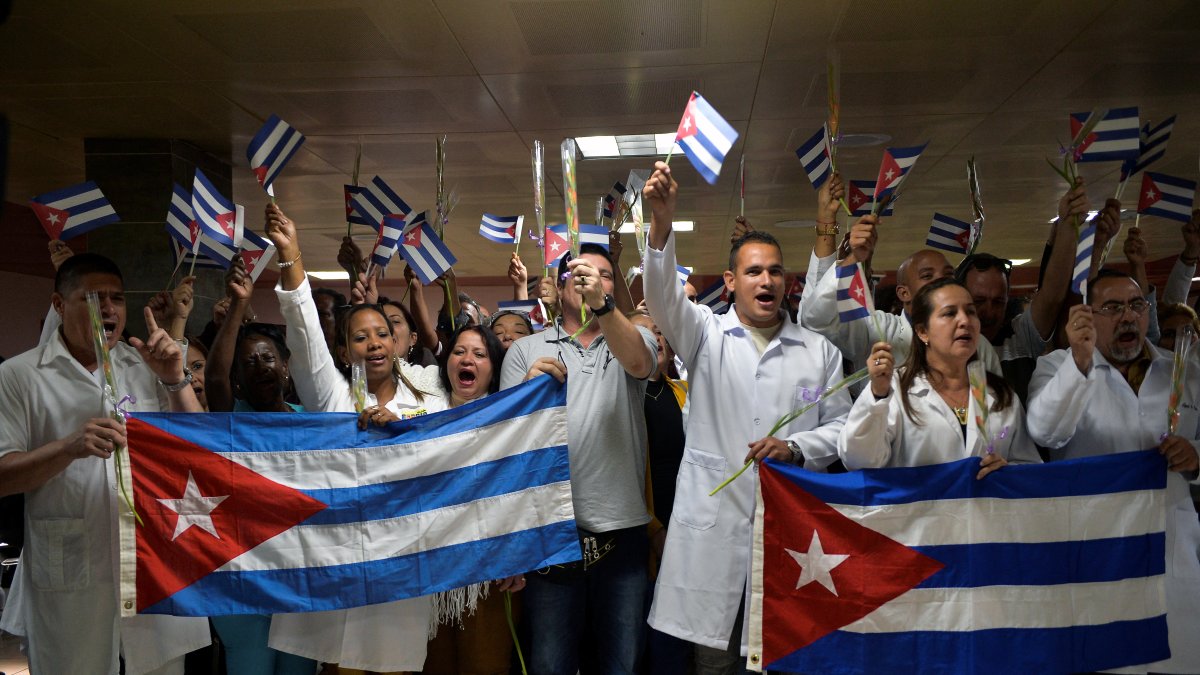
Cuban medical brigades in file image.

The government of Honduras confirmed that it will not renew the health cooperation agreement with Cuba, which implies the departure of 128 Cuban doctors who have been operating in the country for two years.
The decision, made official just days before the expiration of the contract signed during the previous administration, marks a turn in Honduran foreign policy and is part of a regional trend that affects one of the main income mechanisms of the Cuban regime: the export of medical services.
The agreement will expire this Thursday, February 26, and the specialists will begin to return to Havana in early March, according to official sources and representatives linked to the program. "The departure of the Cuban doctors is a foreign policy decision," Secretary of Communications, José Augusto Argueta, told HCH channel and the AFP agency.
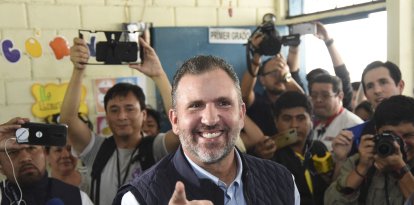
The administration of President Nasry Asfura, who took office at the end of January, argues that the transition will allow strengthening the hiring of national professionals.
The news came just after the announcement of the participation of U.S. Secretary of State Marco Rubio in the 50th regular meeting of the Conference of Heads of Government of the Caribbean Community (CARICOM), to be held in St. Kitts and Nevis, where he will seek a common front in the region against the regimes in Cuba and Venezuela.
World
Bahamas to cancel contracts for Cuban 'slave' doctors after talks with Washington
Diane Hernández
A progressive replacement
Deputy Health Minister Eduardo Midence assured that the replacement will be progressive and that clinics and hospitals will not close during the process. "We are going to work to hire Honduran or foreign doctors duly accredited before the Medical Association," he said. The agreement had been signed under the mandate of former president Xiomara Castro, in the framework of a bilateral relationship that had grown closer in recent years.
One of the pillars of this cooperation was the Misión Milagro, a program of ophthalmological care through which, until October 2025, some 44,000 consultations and nearly 7,000 surgeries were performed in Honduras, according to official data cited by AFP. The Honduran government maintains that these services will continue with local personnel, although the challenge will be to maintain coverage in areas of difficult access.
Working conditions of Cuban health workers in Honduras and international pressure
The decision also comes amidst international questioning. In January 2026, the UN Committee on the Protection of the Rights of All Migrant Workers expressed concern about the working conditions of Cuban health workers in Honduras. Local medical organizations and guilds had denounced that the State paid around $2,270 per month for each professional, while these would receive approximately $1,000, a scheme that has been criticized by Washington as a system that financially benefits the Cuban regime and exploits professionals.

The White House, under Donald Trump, has stepped up diplomatic pressure to limit Havana's sources of foreign currency. Secretary of State, Marco Rubio, has led efforts in Latin America and the Caribbean to challenge these agreements. According to official Cuban figures cited by AFP, in 2023 there were almost 24,000 health professionals working in 56 countries. Medical missions generated $6.3 billion in 2018 and $3.9 billion in 2020, becoming one of the main sources of foreign income for the island.
World
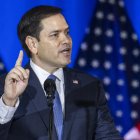
Marco Rubio met with the Prime Minister of Jamaica to discuss security issues and the presence of Cuban doctors
Luis Francisco Orozco
Honduras is not an isolated case
Other Caribbean governments have also revised or canceled their agreements, including the Bahamas, Antigua and Barbuda and Grenada, while Guyana is evaluating modifying the scheme to directly remunerate professionals in its territory. Jamaica also raised the alarm on the subject. The trend reflects a geopolitical rearrangement in which medical cooperation has become a field of diplomatic dispute.
The withdrawal in Honduras, therefore, transcends the health field. It is a political signal that redefines alliances. For Cuba, each lost contract represents not only the departure of a contingent of doctors, but a direct blow to an economic strategy that for decades allowed it to project international influence and capture foreign currency in the midst of its failed economic project.
LATEST