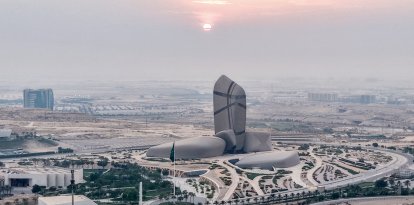
The Trump Administration urged China to prevent Iran from closing the Strait of Hormuz
The closure of that lane could send the price of crude oil soaring above $100.
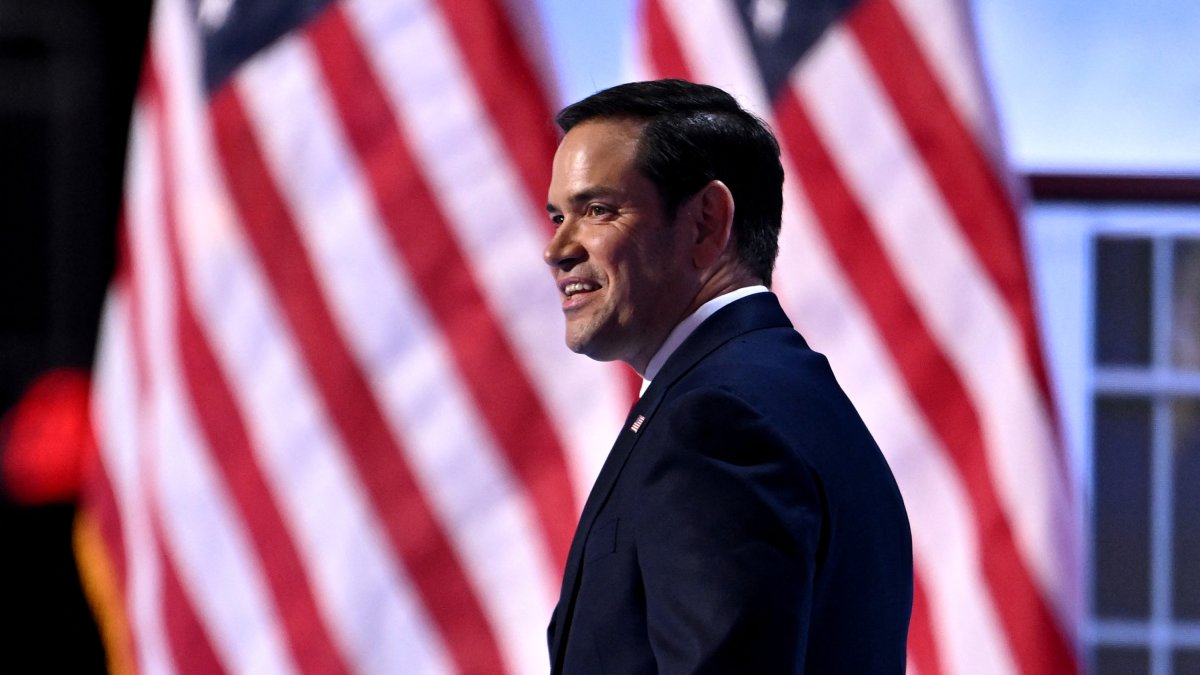
Senator Rubio is one of the CCP's strongest detractors/ Patrick t. Fallon
U.S. Secretary of State Marco Rubio on Sunday urged the communist regime in China to prevent Iran from closing the Strait of Hormuz, which is one of the world's most important trade routes for oil. U.S. President Donald Trump's administration issued this request less than 24 hours after attacking three of the Persian country's nuclear plants, finally getting involved in the armed conflict Israel has been waging with Tehran for just over a week in the face of the Islamic republic's closeness to finally developing a nuclear bomb.
"I encourage the Chinese government in Beijing to call them about that, because they heavily depend on the Straits of Hormuz for their oil," Rubio said during an interview with Fox News. Rubio's request to Beijing is important not only because China is Iran's most important oil customer and one of its biggest allies geopolitically, but also because a possible closure of the Strait of Hormuz would generate chaos strong enough to spark an economic crisis.
Various options for action
In a statement, Iran's foreign minister commented that the Persian nation "reserves all options to defend its sovereignty", following the U.S. attack on the nuclear plants at Isfahan, Natanz and Fordow. The latter has been the most important as it is the most difficult to neutralize, being heavily fortified and deep enough underground to prevent Israel alone from neutralizing it, as it does not have the military weapons necessary to carry out such an operation.
In another part of the interview with Fox News, the Secretary of State affirmed that the Islamic regime would be committing a real "economic suicide" if it decided to close the strait, taking into account that a good part of Iran's oil exports pass precisely through that route. Similarly, Rubio explained that the United States has numerous options for action should the Iranian regime finally make the decision to close the Strait of Hormuz. "It would hurt other countries’ economies a lot worse than ours. It would be, I think, a massive escalation that would merit a response, not just by us, but from others," Rubio said.
Strait closure could send crude oil prices soaring
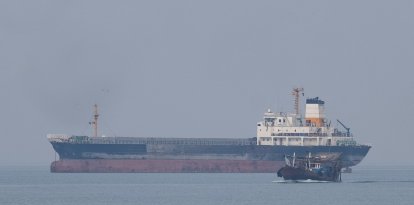
According to the U.S. Energy Information Administration, some 20 million barrels of oil per day, representing 20% of world consumption, passes through this sea lane. Goldman Sachs also explained in a statement that the closure of this route could push the price of crude oil above 100 dollars.
LATEST