Ireland: Campaign urges grandparents not to hug their grandchildren without consent
The Dublin Rape Crisis Centre withdrew the video, which was partially funded by public money, following criticism from several politicians and Justice Minister Jim O'Callaghan, who called the message "inappropriate and humiliating" for grandparents.


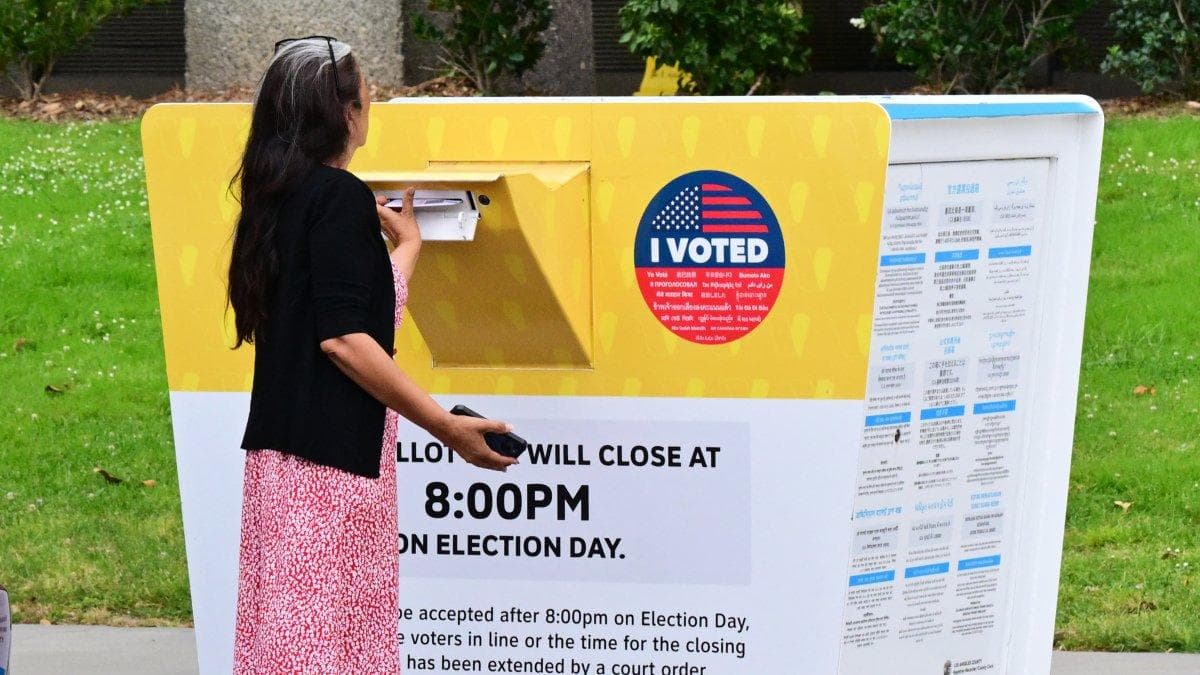
A publicly funded campaign by the Irish government through the We-Consent program, spearheaded by the Dublin Rape Crisis Centre (DRCC), sparked intense controversy by suggesting that grandparents should ask for consent before hugging their grandchildren, equating family affection with sexual consent. Criticism from politicians and the Minister of Justice forced the video to be withdrawn.
A campaign that equates affection with sexual consent
The video, about 25 seconds long and shared on social media as part of the We-Consent program, showed two grandparents arriving at a house. While the grandson hugged them enthusiastically, the girl remained visibly uncomfortable with the physical contact. The voiceover concluded with the message: "Not everyone wants a hug. Not even from people who love them. Uncomfortable? Maybe. Important? Absolutely."
The campaign, funded by the Irish Department of Justice, the state agency Cuan, and Community Foundation Ireland, sought to teach children that they can set boundaries regarding their bodies, but the result was perceived by many as an unnecessary criminalization of family affection.

Withdrawal following the controversy
The DRCC withdrew the video after a wave of criticism from politicians and the Minister of Justice himself, Jim O'Callaghan, who described the message in X as "inappropriate and demeaning to grandparents" and stated that it "does not represent the views of the Government."
"It goes without saying that having loving grandparents in a child’s life is an incredibly positive thing to be cherished and not something to be campaigned against," O'Callaghan stated.
The Department of Justice clarified that the videos were produced by the DRCC at low cost with volunteers and that they were not part of a government advertising campaign, although the We-Consent program receives funding from the Department of Justice, as well as from other state departments and agencies.
Just the News
These five states are putting transgender sports, gender-medicine questions before voters next month
Just The News
Campaign funded with public money
According to data published by the Irish media outlet Gript, the DRCC received nearly 1.3 million euros ($1.46 million) in state funding for We-Consent and related projects between 2021 and 2025.
The Department of Justice contributed 923,776 euros in grants focused on consent between 2021 and 2023, while the state agency Cuan contributed 375,535 euros between 2024 and 2025.

Society
Abuse and incest ring dismantled in Kentucky: Several suspects charged with human trafficking
Andrés Ignacio Henríquez
Political criticism
In a statement, Senator Gareth Scahill, of the center-right Fine Gael party, called the campaign "offensive" and a "waste of resources," arguing that public funds had been used to portray a suspicious image of ordinary affection among family members.
Peadar Tóibín, leader of the conservative right-wing Aontú party, was even more forceful: He described the message as "nonsense" and warned that it could "plant the seed that a grandparent's hug might be insidious."
"For anybody to equate sexual relationships between people and a grandparent hugging their grandchild is absolutely inaccurate and completely wrong," Tóibín stated on RTÉ Radio 1.
A campaign that confuses affection with abuse
The three videos created about boundaries from childhood onward were removed from the organization's social media while it assesses whether they actually convey the positive message intended.
The campaign, which was intended to educate about consent, ended up giving the impression that simple affection between grandparents and grandchildren requires prior authorization, a distortion that many consider an unnecessary attack on the most basic family bonds.
🛠 Do you think there is an error in this article?
Recommendations








LATEST