ANALYSIS
Charlie Kirk's family files notice of intent to sue Utah Valley University over alleged security lapses
The attorneys accuse the university of failing to conduct a proper risk assessment or to draw up a written security plan. Nor was a preliminary briefing held with the officers in charge of the operation.
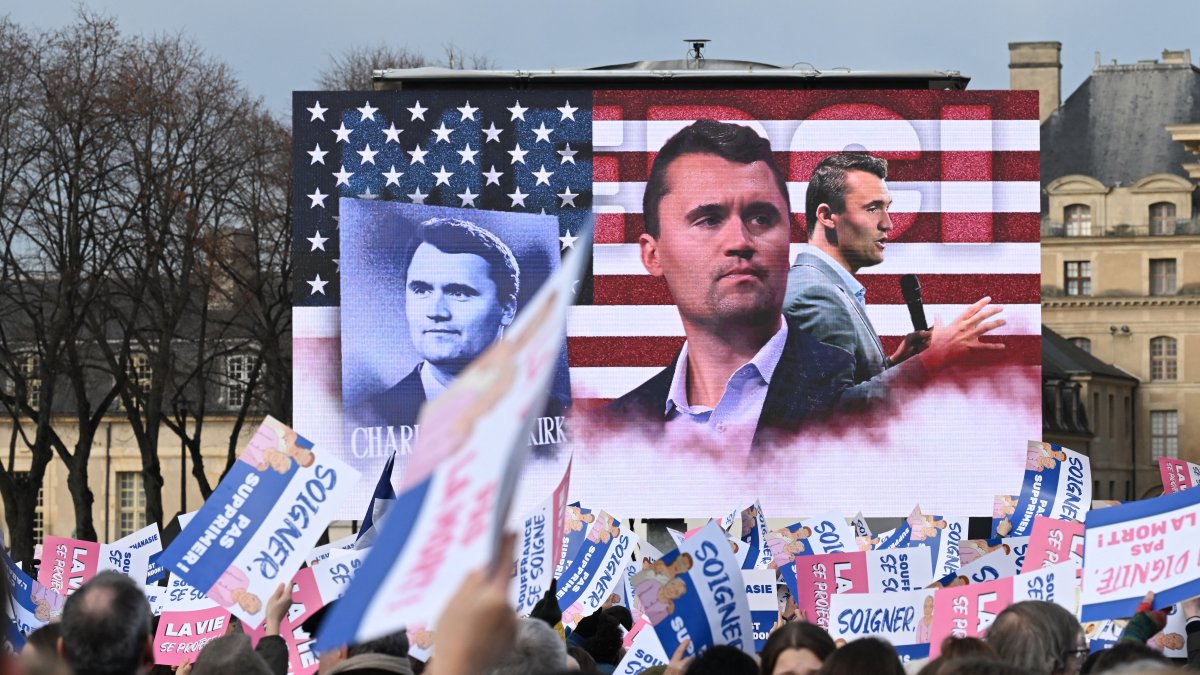
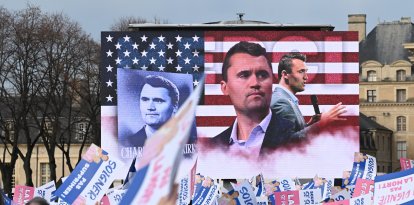
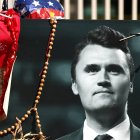
Images of Charlie Kirk projected at the March for Life

Charlie Kirk's family filed a notice of intent to sue against the Utah Valley University, the state and several officials at the institution, whom they accuse of failing to take sufficient measures to protect the conservative activist prior to his murder.
According to Fox News, the document—filed on Sept. 9 by the family's attorneys—alleges that the university was aware of the risks associated with accessing rooftops near the location where Kirk was to participate in a Turning Point USA (TPUSA) event. The family is considering a potential wrongful death lawsuit and is also invoking the constitutional doctrine known as "state-created danger."
Kirk, the founder of TPUSA, was shot and killed on Sept. 10, 2025 during an event held on the university campus in Orem, Utah.

Society
Charlie Kirk's legacy: Faith, family, and the battle for the minds of a generation
Carlos Dominguez
A word of caution about rooftops
According to the notice, members of Kirk's organization informed the university police chief, Jeffrey Long, that students had reported that the roof of the Sorenson Center—located near the event site—was accessible.
"If this is true, it would be nice to either have it controlled access or allow one of my guys to be there as well," a representative of Turning Point USA reportedly wrote. The response attributed to Long was: "I got you covered."

The lawyers argue that the warning should have been taken particularly seriously because of the assassination attempt against President Donald Trump, which was also carried out from a rooftop the previous year.
However, the brief states that the rooftop from which the shot was allegedly fired was not secured. The family also points out that students used to go up to that area and that they frequently found "beer bottles and other trash" there.
Only six officers for 3,000 attendees
The notice states that the university failed to conduct an adequate risk assessment or to develop a written security plan. Furthermore, no preliminary informational meeting was held with the officers in charge of the operation.
The event drew approximately 3,000 people and was staffed by only six campus police officers, according to the document. That number represented, according to the indictment, one-fourth of the university's entire police force.
"On information and belief, [UVU Campus Police] Chief Jeffrey Long requested approval from then-UVU President, Astrid Tuminez, to allocate more than the six officers — which represented only 25% of the UVU police force — but his request was denied," the document continues.
The family believes that the chosen location made Kirk a vulnerable target, surrounded by tall buildings and other elevated points. "The UVU Parties could have declined to approve the Tour event in the outdoor quad location, or could have moved the venue indoors or to a more secure location, as it had done for controversial speakers in the past," the brief states.
Cameras without real-time monitoring
The report criticizes the fact that campus cameras were not monitored in real time and that drones were not used to monitor rooftops or outdoor areas. Subsequent footage shows the alleged perpetrator moving across the roof of the Losee building to the spot from which the shot was fired.
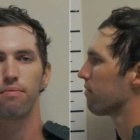
"After-the-fact review of the footage at the Preliminary Hearing in the criminal prosecution of the alleged shooter Tyler Robinson showed the shooter running across the roof of the Losee Building to a 'sniper’s nest,'" the attorneys wrote. "If such footage had been monitored in real-time, Kirk’s tragic death could have been avoided."
Family also questions the medical response
The family also criticized the emergency response.
"The UVU Parties’ planning was so deficient that when Mr. Kirk was shot first responders were not available and Mr. Kirk was transported to Timpanogos Regional Hospital in a private vehicle, not an ambulance," the statement continues.
According to the document, those who could file a lawsuit include Kirk's widow, Erika Kirk, and his two children. The document also considers possible claims by his parents, Robert and Kathryn.
Allegations have yet to be proven
The case is proceeding in parallel with the criminal trial against Tyler Robinson, who has pleaded "not guilty" through his attorneys. The investigation and judicial proceedings will determine the exact circumstances of the attack, while the potential civil lawsuit will examine whether the university's decisions contributed to creating or facilitating the risk that led to the murder.
LATEST