White House calls judge who suspended postal regulations for November election an 'activist'
The court ruling halts the measure for an initial period of 14 days in response to a lawsuit filed by a coalition of two dozen states and allied organizations.
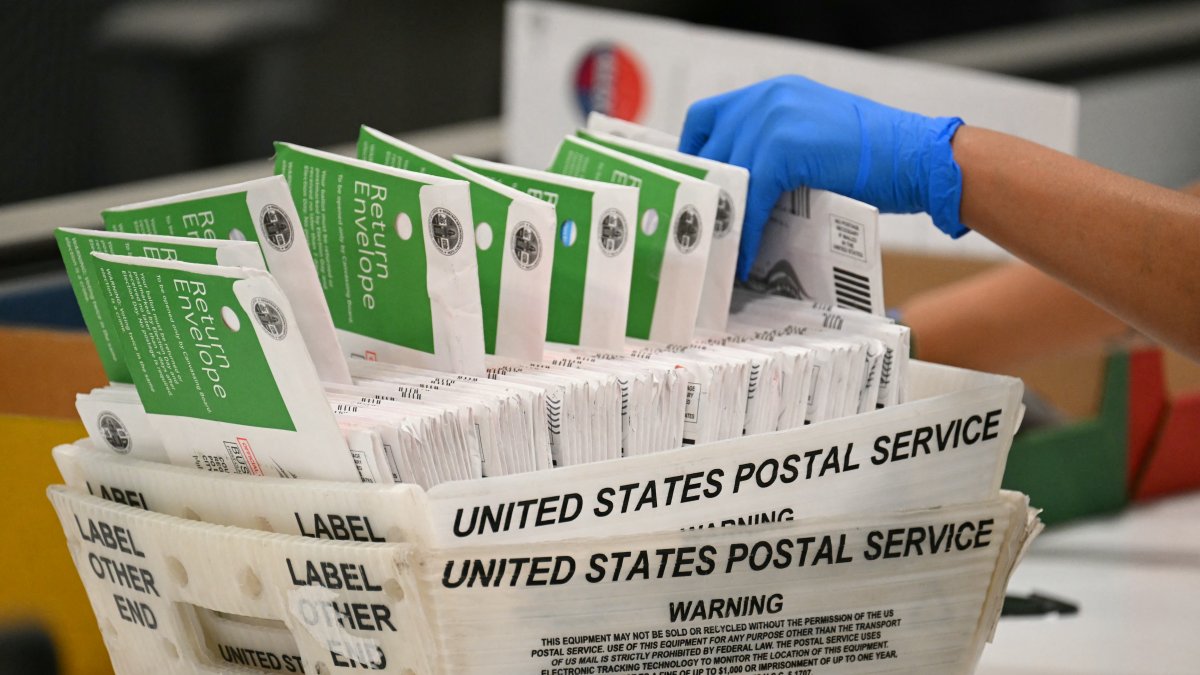
An election official processes mail-in ballots at the Los Angeles County Vote Processing Center on June 2, 2026.

A ruling issued by District Judge Indira Talwani has temporarily blocked the implementation of new U.S. Postal Service (USPS) regulations designed to increase the traceability of mail-in ballots ahead of the midterm election, as reported by CBS News.
The court ruling halts the measure for an initial period of 14 days in response to a lawsuit filed by a coalition of two dozen states and allied organizations.
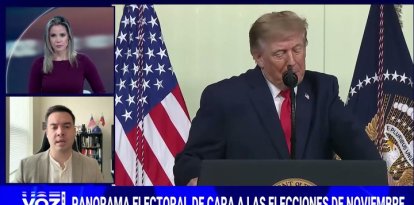
The controversy arose following the publication of USPS regulations requiring the use of traceable barcodes on ballot envelopes and the uploading of applicant lists to a centralized digital portal. The regulation stemmed from an executive order signed by President Trump aimed at preventing irregularities and ensuring that only eligible citizens participate in the electoral process.
Clash between state autonomy and system security
In her 11-page opinion, the judge argued that the implementation of the regulation creates an excessive operational burden just weeks before the election, maintaining that the states do not have sufficient time to adapt their management systems and redesign the envelopes.
Talwani noted that Congress did not expressly delegate to the Postal Service the authority to regulate aspects of election administration, characterizing the regulation as potentially unconstitutional.
The federal administration and the Department of Justice defended the technical validity of the regulation. Government attorneys argued in their brief that the regulation merely establishes "modest informational requirements" for the Postal Service and does not supersede any state election laws or impede the exercise of the right to vote.
"[T]his is ultimately a regulation of the U.S. mail, and a modest one at that — not a federal takeover of election administration by the Postal Service," the federal administration's legal representatives argued in their briefs obtained by CBS News.
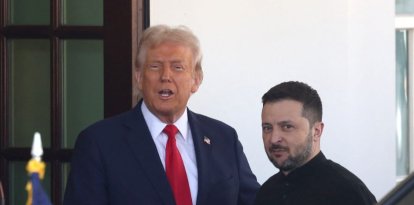
The White House flatly rejected the Boston judge's ruling. Spokesperson Lauren Bis called Talwani an "activist judge" and emphasized that the proposed changes constitute "commonsense measures to protect the security of mail-in ballots and ensure only Americans vote in American elections."
Court battle on the eve of the election
The plaintiffs—including New York Attorney General Letitia James—welcomed the stay, arguing that the measure prevented disruptions to the ballot distribution schedule set to begin in early September.
However, the Postal Service clarified in the text of the rule itself that the agency "will not play any role in determining voter eligibility, maintaining voter rolls, or counting ballots."
The legal conflict is rapidly escalating. As confirmed by CBS News, the Department of Justice has already filed an immediate appeal, opening the door for the dispute over the safeguards for voting by mail to ultimately be resolved by the Supreme Court.


Just The News
Tax-deductible 'charities' served as pipelines to Democrat voter registration: report
Just The News
Politics
POLL: Abbott on track for reelection in Texas, which is projected to remain Republican
Carlos Dominguez
LATEST