The Postal Service will not deliver mail-in ballots in states that refuse to comply with a Trump order
Regulations require state agencies to submit accurate lists of citizens eligible to receive ballots.
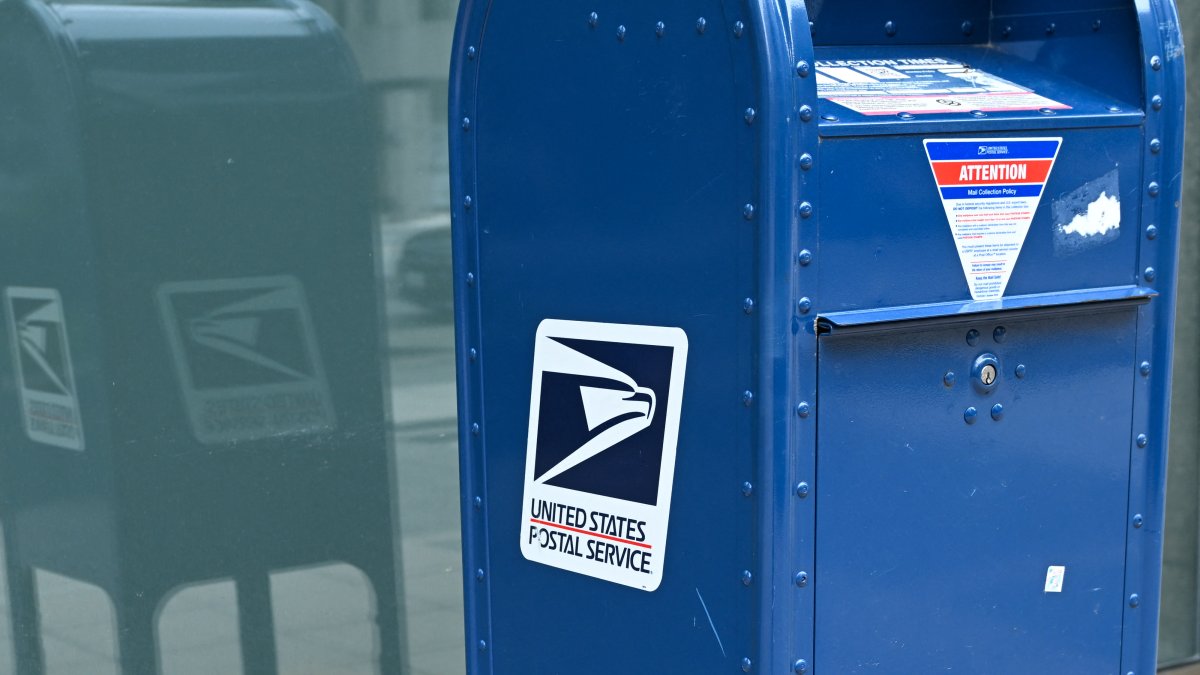
A U.S. Postal Service mailbox.

Under a new draft set of guidelines developed by the United States Postal Service (USPS), the federal agency will effectively suspend the distribution and delivery of mail-in ballots in states that refuse to provide their official lists of registered voters to federal authorities.
The measure is intended as a mechanism to implement an executive order signed by President Donald Trump last March 2023, aimed at auditing remote voting systems and mitigating the vulnerabilities of the mail-in voting system.
The regulation requires state entities to submit reliable lists of eligible citizens to receive election materials while also establishing rigorous technical standards for the design and coding of mailing envelopes.
Judicial offensive by the opposition and court endorsement
The White House’s determination to restore confidence in the electoral system has sparked an immediate legal reaction from the progressive wing.
A coalition comprising 23 states with Democratic governors and the District of Columbia, in coordination with partisan activist platforms, filed a series of civil lawsuits to block the measure ahead of the midterm elections scheduled for November.
Despite warnings from the opposition about an alleged disruption of the schedule, the Trump administration secured initial judicial backing last month.
U.S. District Judge Carl Nichols declined to freeze the presidential order in Washington, D.C., allowing the U.S. Postal Service to proceed with the design of the required technological infrastructure.
In response, the Department of Justice defended the legality of the official timeline, dismissing the need for an emergency schedule requested by the plaintiffs.
"The entire Trump Administration will continue to lawfully implement the agenda for which President Trump was elected, which includes the security and protection of U.S. elections," said White House spokesperson Abigail Jackson, reaffirming the Executive Branch’s confidence that the oversight system will be fully operational before November.
Data cross-checking with the Department of Homeland Security
The framework of the presidential directive goes beyond the logistical control of mail. The executive order instructs the Department of Homeland Security (DHS) to create state-by-state citizenship databases by consolidating records from various federal agencies.
The objective, as stated in court documents submitted by the Department of Justice, is to cross-check registration information in order to "monitor the flow of printed and absentee ballots, identify anomalies that may suggest fraud or misuse of such ballots, and generate authorized lines of investigation."
DHS spokespersons defended the full legality of the preliminary discussions regarding interagency data sharing, emphasizing the agency’s commitment to restoring the integrity of voting systems, ensuring that “U.S. citizens, and only U.S. citizens, elect U.S. leaders."
In contrast, officials from Democratic administrations in states with universal mail-in voting, such as Oregon and Colorado, have called the measure an intrusion.
Democratic figures argue that the demand for voter rolls constitutes a covert collection of sensitive information, questioning the technical feasibility of the USPS implementing the digital portal and standardized barcodes needed to process data from all 50 states in time.

Just The News
Judge clears Trump’s voter citizenship checks and mail-in voting crackdown, slapping down Democrats
John Solomon
Politics
Federal authorities open investigation into alleged voter fraud in the California primary election
Luis Francisco Orozco
LATEST