The Trump Administration confirmed the first human case of the 'New World Screwworm' parasite in nearly half a century
The USDA went so far as to estimate that an outbreak of these worms could cost the Texas economy an estimated $1.8 billion in medical expenses, labor costs and, especially, livestock deaths.
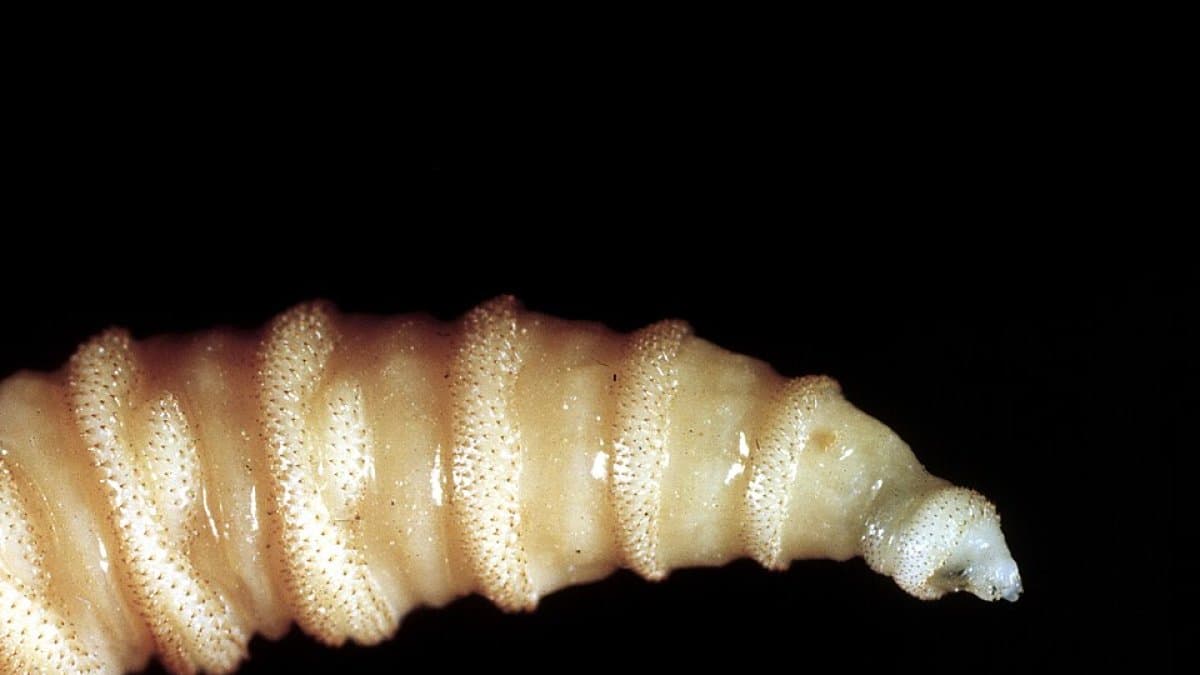
The Department of Health and Human Services (HHS) on Monday reported the first human case of the flesh-eating parasite New World Screwworm detected in the country in nearly 60 years. The agency detailed that the case involves a person who had recently traveled to El Salvador, which was confirmed as a worm infection by the Maryland Department of Health and the U.S. Centers for Disease Control and Prevention (CDC) on August 4.
In a statement, the Maryland Department of Health commented that the person had recovered "from the infection, and the investigation confirmed there is no indication of transmission to any other individuals or animals." According to NBC, HHS spokeswoman Emily Hilliard commented in another statement, "This is the first human case of travel-associated New World screwworm myiasis (parasitic infestation of fly larvae) from an outbreak-affected country identified in the United States. The risk to public health in the United States from this introduction is very low."

Sterile fly production plant
The confirmation by the Administration of President Donald Trump of this case comes just over a week after Agriculture Secretary Brooke Rollins traveled to the state of Texas to announce different plans regarding the construction of a sterile fly production plantas part of the U.S. government's efforts to combat this type of pest. The USDA went so far as to estimate that an outbreak of these maggots could cost the Texas economy some $1.8 billion in medical expenses, labor costs and, especially, livestock deaths, considering that this state is the largest cattle producer in the country.
In making his announcement about the construction plans, Rollins stated that it would take place at the air base in the city of Edinburg, which would have a symbolic element of being near the site where one of the most important worm facilities in the U.S. operated during the last major outbreak 50 years ago. Rollins said the plant would officially be operational within two to three years.
Officially eradicated during the 1960s.
These maggots were officially eradicated in the country during the 1960s, when researchers decided to release huge numbers of sterilized males that mated with wild females to produce infertile eggs.
🛠 Do you think there is an error in this article?
Recommendations









LATEST