ANALYSIS
Tax on electric cars: UK plans to introduce it in 2028, while US considers annual fee
The decline in fuel tax revenue is forcing governments to seek new ways to finance road maintenance, and electric vehicles are no longer exempt.
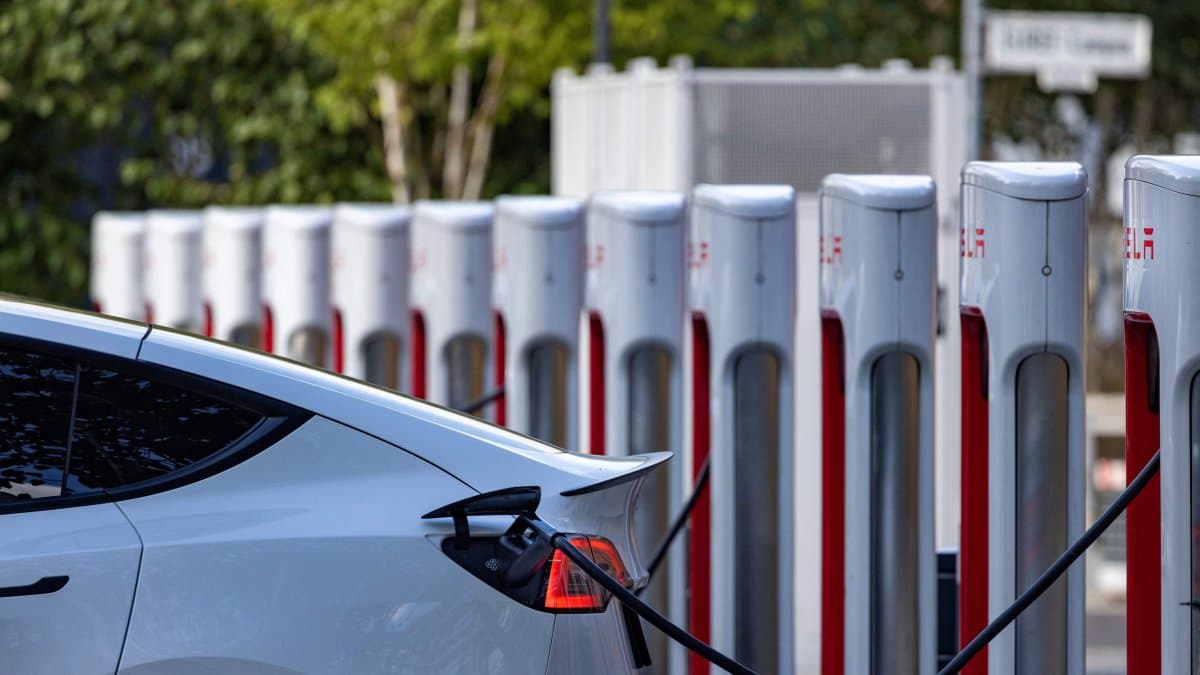

For years, electric vehicles enjoyed preferential tax treatment. Purchase incentives, tax exemptions, and the absence of fuel taxes drove their adoption in the market. That landscape is changing. The decline in revenue from fuel taxes is forcing governments to find new ways to fund road maintenance, and electric vehicles are no longer exempt.

Here's how the per-mile tax will work in the United Kingdom starting in 2028
The United Kingdom will be the first country in Europe to implement a pay-per-use system. The Electric Vehicle Excise Duty (eVED) is scheduled to take effect in April 2028. Owners of 100% electric passenger cars will pay 3 pence per mile driven, which is equivalent to about 4 cents. On the other hand, plug-in hybrids will pay half that: 1.5 pence per mile (approximately 2 cents).
The British government asserts that those who continue to drive internal combustion engine vehicles will still contribute more, as the fuel tax stands at around 6 pence per mile (about 8 cents).

Electric vans will be exempt for the time being. The system will be based on an annual mileage estimate reported by the driver. That figure will then be verified during mandatory vehicle inspections or through random checks by the traffic agency (DVLA). If there is a significant discrepancy, the owner will have to pay the difference.
Although the measure has been confirmed by the government following a public consultation, the specific legislation has not yet been introduced in the Parliament.
The US is opting for a fixed annual quota for electric vehicles
The United States is taking a different path. The Transportation and Infrastructure Committee of the House of Representatives has introduced a bipartisan bill to reauthorize surface transportation. The key proposal is a fixed annual fee: $130 for pure electric vehicles and $35 for plug-in hybrids. Starting in 2029, that amount would increase by $5 every two years until reaching a maximum of $150 for electric vehicles and $50 for plug-in hybrids.

Just The News
Blue cities forced to ‘glow up’ ahead of World Cup, America’s 250 and the Olympics
amanda head
States would be responsible for collecting the fee and transferring it to the federal government. The funds would be allocated to programs for roads, bridges, public transportation, rail, and road safety over a five-year period. The measure aims to offset the loss of revenue to the Highway Trust Fund, which is funded primarily by federal taxes on gasoline and diesel.
For now, it is only a bill that still must complete the legislative process.
The difference between the two approaches is clear. The United Kingdom is opting for a payment proportional to actual use, while the United States prefers a fixed annual fee, which is simpler to administer. In both cases, the message is the same: tax breaks for electric cars have an expiration date.
🛠 Do you think there is an error in this article?
Recommendations









LATEST