First case of live tissue-eating screwworm confirmed in US in more than 60 years
NWS is a pest that affects livestock, pets and wildlife, and less frequently humans and birds. The larvae of this parasite penetrate the living tissue of animals, causing severe injury and economic losses in livestock production.

The Department of Agriculture, through the Animal and Plant Health Inspection Service (APHIS), confirmed the detection of a case of the New World Screwworm (NWS) in a cattle in Zavala County, Texas.
NWS is a pest that affects livestock, pets and wildlife, and less frequently humans and birds. The larvae of this parasite penetrate the living tissue of animals, causing severe injury and economic losses in livestock production.
According to the USDA, the affected animal is a three-week-old calf in which larvae were identified in the umbilical area. No new cases have been reported to date.
"All models showed New World Screwworm entering the country in 2025; however, thanks to the hard work across the entire Trump administration and our industry, state, and local partners, we were able to buy time for this moment," said Dudley Hoskins, USDA's undersecretary for Marketing and Regulatory Programs.
Hoskins noted that USDA has invested in tools to eliminate the pest since cases began to increase in Central America and Mexico. "The United States has defeated this pest before, and we will do it again," he said.
Texas federal and state authorities immediately activated containment and eradication measures under the NWS response plan. Among the actions announced were the formation of a unified response command with the Texas Animal Health Commission, the establishment of a 20-kilometer infested zone around the detection site, the implementation of quarantines and movement controls, as well as the strengthening of epidemiological surveillance.
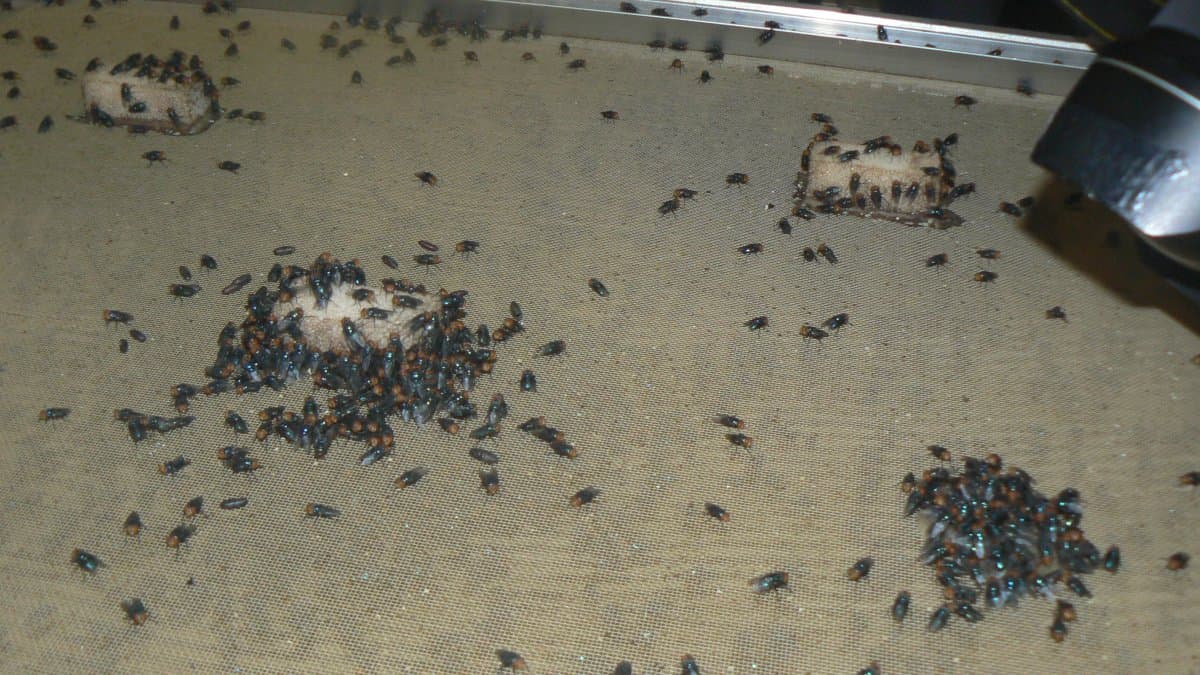
The USDA also reported that it will accelerate the targeted release of sterile flies via ground-based cameras in the affected area, supplementing the four million sterile flies already released weekly by air. It will also increase the number of traps to detect the presence of the insect in border areas and areas close to the dispersal zone.
Other measures include wildlife surveillance and management strategies, information campaigns aimed at the local population and the support of the National Veterinary Reserve, which will be able to provide treatments, equipment and logistical support as needed.
The federal agency urged area residents to check their pets and production animals for possible signs of infestation, such as draining or enlarging wounds, unusual discomfort or the presence of larvae and eggs around wounds and body openings, including nose, ears, genitals and navels of newborn animals.
The USDA reminded that, although human cases are rare, anyone who observes suspicious lesions or believes they have contracted the infestation should seek immediate medical attention.
A regional response to the plague
Authorities noted that for more than a year USDA has coordinated a regional response against this pest, including advanced surveillance systems and support for control efforts in Mexico and Central America, with the goal of containing its advance and bolstering preparedness within the United States.
🛠 Do you think there is an error in this article?
Recommendations







LATEST