ANALYSIS
The necessary role of the father in the family, despite the 'woke' attempt to get rid of it
The radical left’s cultural struggle to destroy the family has set its sights on the father—who is fundamental to children’s harmonious development and emotional balance as a complement to the mother—and seeks to eliminate this figure at all costs.
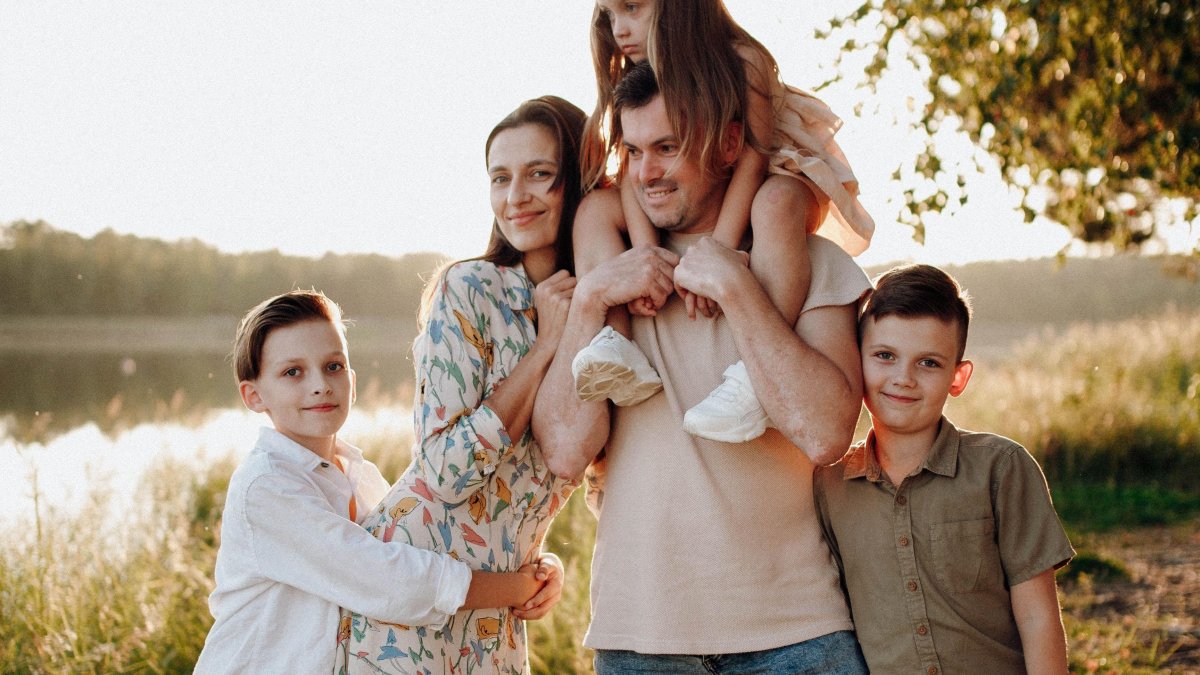
Family with children

The role of the father is under “woke” siege. The radical left’s culture war to destroy the family has set its sights on this role—fundamental to the harmonious development of children and their emotional well-being as a complement to the mother—as a target to be eliminated at all costs.
Within the battle over what has been cornyly termed “the new masculinity,” destroying and demonizing the father is a key element.
For this reason, the mainstream media—especially on the left—persistently pushes messages portraying fathers as violent, often drunk, and even murderers of their wives and children, as if this were the norm.
Role models, educators and guides for adulthood
However, science, education and sociology have demonstrated the true role of the father in the family through numerous studies and, in particular, dads' role in the healthy upbringing of children as role models, educators and guides for adulthood.
Leading studies and experts agree on the following key points regarding the presence of a father figure in children’s lives:
- Emotional security and attachment: Fathers contribute a different parenting style—often more playful and involving greater physical contact—that helps children develop secure attachments, self-esteem and emotional regulation. Studies link positive paternal involvement (warmth, responsiveness and commitment) to greater social-emotional competence in early childhood.
- Role model and discipline: Fathers often serve as role models in terms of authority, resilience, risk-taking and problem-solving. They help set boundaries and teach responsibility, which fosters stronger character development, less aggression (in boys) and healthier peer relationships (in girls).
- Cognitive and academic outcomes: Children with involved parents tend to demonstrate greater cognitive competence, better academic performance, higher motivation, and stronger language and math skills. They are more likely to earn top grades, less likely to repeat a grade and more likely to pursue higher education.
- Social and behavioral benefits: Parental involvement is associated with fewer behavioral problems, greater social competence, empathy and self-confidence. It fosters independence and prosocial behaviors. Parents are also responsible for “cutting the emotional umbilical cord” with the mother, thereby fostering the child’s own sense of self.
- Long-term life outcomes: The benefits extend into adulthood and include better mental health, stable employment, and a lower risk of teenage pregnancy, substance abuse, delinquency and incarceration.
Consequences of a father’s absence in child-rearing
Conversely, studies have also identified the consequences of a father’s absence during child-rearing. These effects can begin to be noticed at an early age, influencing the baby’s health, attachment and developmental trajectories.
- Children living in fatherless households are at greater risk of falling into poverty, dropping out of school, experiencing behavioral and mental health problems, and getting into trouble with the law.
- Often-cited statistics: Young people from fatherless households are disproportionately represented among the prison population (for example, about 85% according to some studies), teenage pregnancies and suicides.
The father’s new role
It is true that the role of the father has evolved in recent decades. His role as the traditional head of the household—the provider of food and the one responsible for meeting the family’s material needs—has changed with women’s entry into the labor market.
This has led to greater involvement in household chores, in harmony with women, and closer contact and a warmer relationship with children, in contrast to the historically colder and more distant model.
LATEST