$11 billion in student loans to be forgiven: Court rules against Department of Education
This figure is in addition to the nearly 300,000 borrowers who had already had their loans forgiven in 2022, when the government—under the Biden administration—reached an initial settlement in the Sweet v. Cardona class-action lawsuit.

Students walk across the Harvard University campus in a file photo

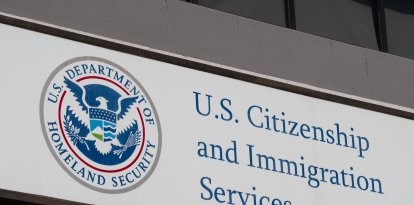
An appeals court shut the door on the Department of Education, and now the agency must forgive $11 billion in student loans for more than 170,000 people who claimed to have been victims of fraud by their educational institutions.
The ruling, issued last month by a three-judge panel of the Ninth Circuit Court of Appeals, unanimously confirmed that the government is not entitled to additional time to review those claims.
As reported by The New York Times, the forgiveness is not the result of a voluntary decision by the agency, but rather an automatic provision that it itself failed to comply with, since the Department allowed the deadlines it had committed to meet for resolving the cases to expire, and that delay triggered the cancellation of the debts without the need for individual review.
This figure is in addition to the nearly 300,000 borrowers who had already had their loans forgiven in 2022, when the government—under the Joe Biden administration—reached an initial settlement in the Sweet v. Cardona class-action lawsuit. With this new round, the total number of beneficiaries in the case climbs to nearly 500,000 people, with $23 billion in loans canceled, making it the largest class-action settlement in U.S. history.

Health
The anxious generation: The mental health crisis striking millions of young people
Diane Hernández
The root of the problem lies in the deadlines the Department of Education committed to meeting. The 2022 settlement set two deadlines: Jan. 28, 2026, to resolve claims from borrowers who had attended any of the more than 150 institutions specifically named in the agreement, and April 15, 2026, for all other cases. The fine print stipulated that, if those deadlines were not met, the debts would be automatically forgiven.
The Department missed both deadlines. In late 2025, it requested an 18-month extension to catch up on reviewing the files, but a federal district court judge denied the request before it reached the appellate court, where it was also rejected.
According to Eileen Connor, executive director of the Project on Predatory Student Lending—the organization that represented the plaintiffs— the case bears parallels to the 1998 settlement in which tobacco companies were required to pay states more than $200 billion for medical costs resulting from smoking.
"Tobacco is a toxic product — and a lot of times, these schools are peddling these loans, and they turn out to be toxic," Connor told the NYT.
Department of Education spokesperson Ellen Keast defended the agency's actions. "The Department has complied in good faith with court orders," she said, adding that the court "erred" in not granting the requested extension, since the original agreement "imposed an unrealistic deadline."
The lawsuit that sparked the entire process dates back to 2019, when a group of students—led by plaintiff Theresa Sweet—accused dozens of for-profit educational institutions of enrolling them through misleading advertising about their graduates' earnings. Although the first Trump administration had rejected nearly all of the original claims, a federal judge overturned those decisions and described the department's review process as "disturbingly Kafkaesque."
This month's ruling does not resolve the underlying issue. The Department of Education had accumulated more than 463,000 unresolved borrower defense claims as of March 2026, of which this settlement will resolve just one-third. Borrowers who believe they are victims of fraud can still file new claims, although regulatory changes pushed through during the first Trump administration significantly reduced the relief available to those who took out federal loans—or consolidated existing ones—beginning in 2019.
LATEST