Jeff Bezos's Blue Origin rocket explodes on Florida launchpad during test
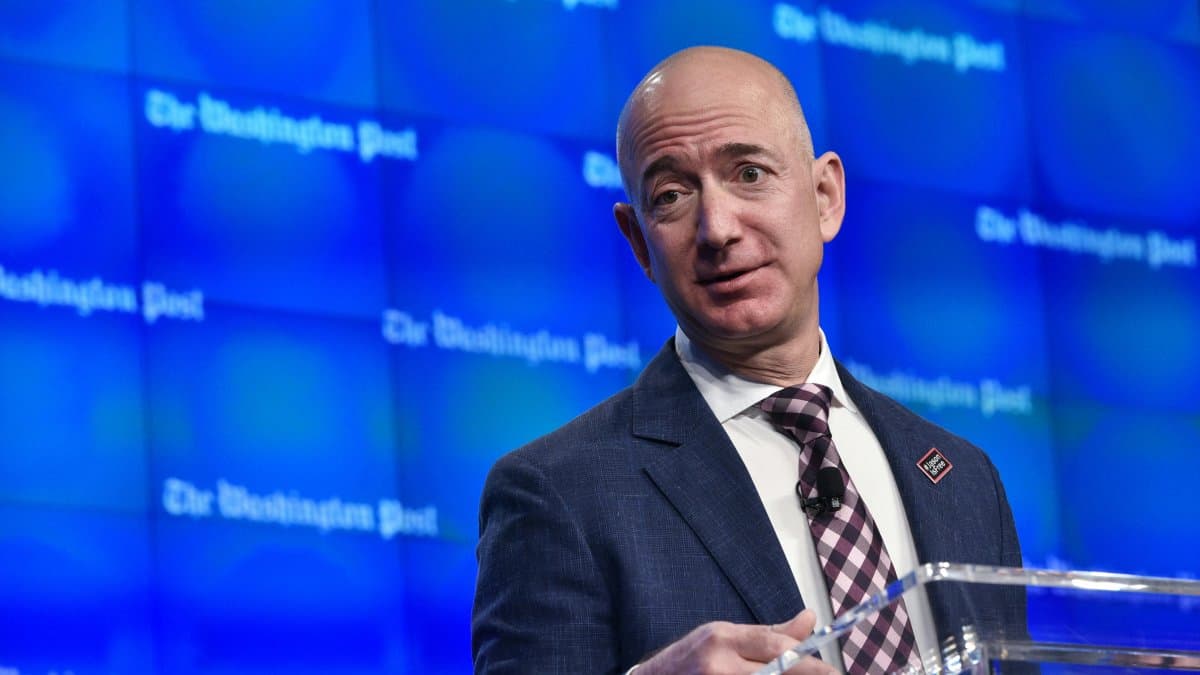
"All personnel are accounted for and safe. It's too early to know the root cause but we're already working to find it. Very rough day, but we'll rebuild whatever needs rebuilding and get back to flying. It's worth it," the Amazon owner wrote on X.

A Blue Origin New Glenn rocket exploded Thursday night at Cape Canaveral Space Force Station, Florida, during a test ignition prior to a scheduled launch. The explosion, which occurred around 9 p.m., severely damaged the platform and surrounding equipment. "We experienced an anomaly during today's hotfire test. All personnel have been accounted for," the company reported on social media.
The rocket was intended to carry 48 satellites for Leo, Amazon's internet constellation and a direct rival to SpaceX's Starlink. The satellites were not on board. "All personnel are accounted for and safe. It’s too early to know the root cause but we’re already working to find it. Very rough day, but we’ll rebuild whatever needs rebuilding and get back to flying. It’s worth it," wrote Jeff Bezos on X.
All personnel are accounted for and safe. It’s too early to know the root cause but we’re already working to find it. Very rough day, but we’ll rebuild whatever needs rebuilding and get back to flying. It’s worth it.
The accident further hits NASA's lunar plans: Blue Origin is one of two companies contracted by the agency to carry astronauts to the Moon's surface, a program that relies on multiple New Glenn launches. Repairs to the pad, the only one the company has for that rocket. will take at least several months.
"NASA is aware of the anomaly that occurred tonight at Launch Complex 36 involving Blue Origin’s New Glenn rocket at Cape Canaveral Space Force Station. Spaceflight is unforgiving, and developing new heavy-lift launch capability is extraordinarily difficult. We will work with our partners to support a thorough investigation of this anomaly, assess near-term mission impacts, and get back to launching rockets," Jared Isaacman, the space agency's administrator, wrote. "We will provide information on any impacts to the Artemis and Moon Base programs as it becomes available."
🛠 Do you think there is an error in this article?
Recommendations




LATEST