Severe thunderstorm alert: key tips and areas at risk this week
The country is facing several days of instability, with dangerous thunderstorms, possible tornadoes and winter precipitation in different regions.
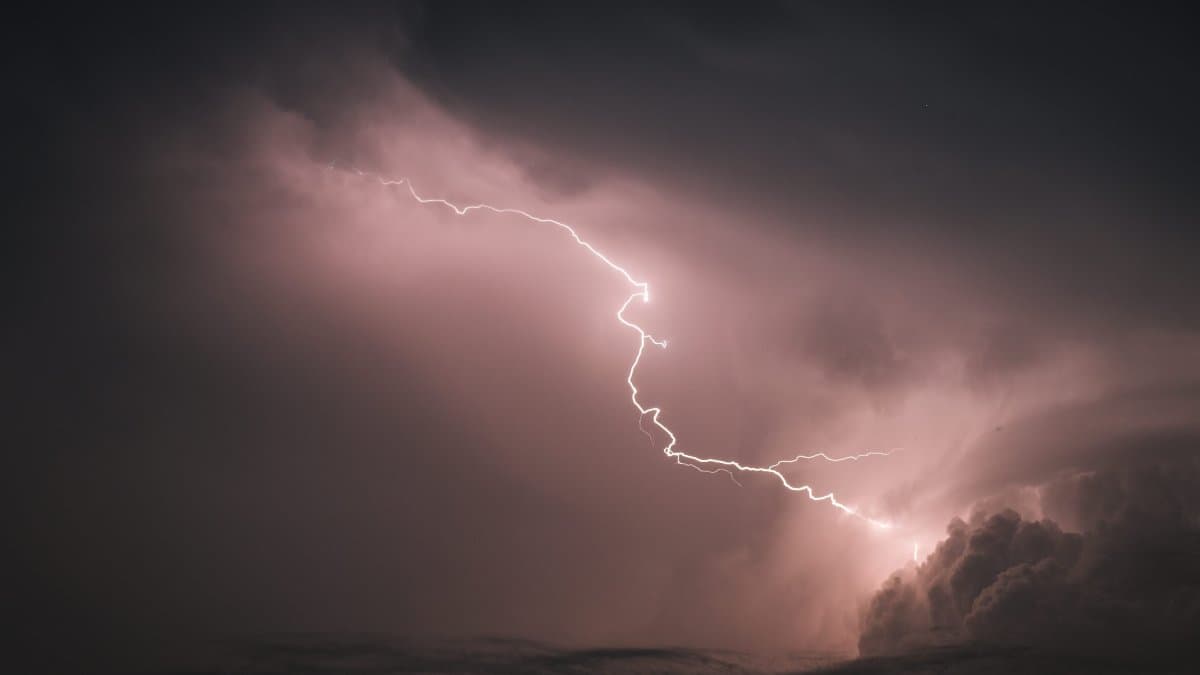

A wide swath of the country is bracing for an episode of severe thunderstorms, heavy rain and winter-like conditions unusual for April, that will affect areas from the Midwest to the Northeast, according to the latest forecast.
During Tuesday, the most dangerous conditions will be concentrated in areas of the Great Lakes and Ohio Valley, where the Storm Prediction Center (SPC) has issued a mild risk (level 2 of 5) of severe storms.
The primary hazards include:
- Intense wind gusts
- Large hail
- High frequency of lightning
- Possibility of isolated tornadoes
These storms will also move into the mid-Mississippi Valley, the Southern Plains and portions of the Gulf Coast.
What is a severe thunderstorm?
In some cases, these storms can be even more dangerous, with hail the size of softballs or winds exceeding 100 miles per hour (160 km/h). Therefore, it is critical to pay attention to weather forecasts and official warnings, especially when favorable conditions for severe storms are announced.
In addition, severe thunderstorms can generate other significant risks, such as tornadoes, dangerous lightning and heavy rains that can result in sudden flooding. These associated phenomena increase the threat level and require additional precautions to ensure the safety of the population.
New focus of severe thunderstorms on Wednesday
By Wednesday, the risk of extreme weather will move toward the center of the country. The Great Plains and the mid-Mississippi Valley through the Southern Plains will again be under a slight risk (level 2/5) of severe thunderstorms.
Expected phenomena again include:
- Destructive winds
- Hail
- Intense thunderstorms
- Isolated thunderstorms
Showers and thunderstorms will also develop in the mid-Atlantic, Tennessee Valley and Gulf Coast.
Mixed precipitation will also continue on Wednesday:
- Rain and freezing rain from the Central Plains to the Great Lakes
- Another core of wintry precipitation in the Northeast
- Snow across the Northern Plains, Rockies and upper Mississippi Valley
Key tips for protecting yourself from lightning during thunderstorms
In the presence of thunderstorms, prevention is critical. Lightning can strike even when the rain has not yet started, so recognizing the danger early can make all the difference. Follow these basic tips to reduce risks:
- If you hear thunder, seek immediate shelter: When it thunders, seek shelter indoors. There is no safe place outdoors during a storm.
- Take shelter in suitable locations: Solid buildings or vehicles with hard roofs are safe options. Avoid sheds, open structures, or uncovered vehicles.
Inside an enclosed space, it is also important to take extra precautions to avoid indirect discharges:
- Avoid contact with electricity and water: do not use plugged-in appliances, corded telephones or touch pipes.
- Stay away from doors and windows: lightning can be transmitted through conductive structures and surfaces.
Finally, don't let your guard down too soon. Many injuries occur when people think the storm has passed:
- Wait at least 30 minutes from the last clap of thunder before going outside again.
- Plan ahead: check the forecast and avoid outdoor activities if there is a risk of thunderstorms.
The full forecast: freezing rain and snow in the north, instability also in the west
Also:
Light snow is expected in northern MaineSnow will also occur in parts of the Northern Plains and upper Midwest
Meanwhile, the western part of the country will not be left out in the cold. A system from the Pacific will carry:
Showers to the Northwest and CaliforniaSnow in mountainous areas, including the Sierra Nevada and Rockies
The front will advance inland between Tuesday night and Thursday, extending precipitation into the Great Basin and inland regions.
🛠 Do you think there is an error in this article?
Recommendations








LATEST