Instagram CEO rejects notion of "clinical addiction" to social networks in landmark lawsuit
The CEO of the social network, Adam Mosseri, assured that "it is important to differentiate between clinical addiction and problematic use".
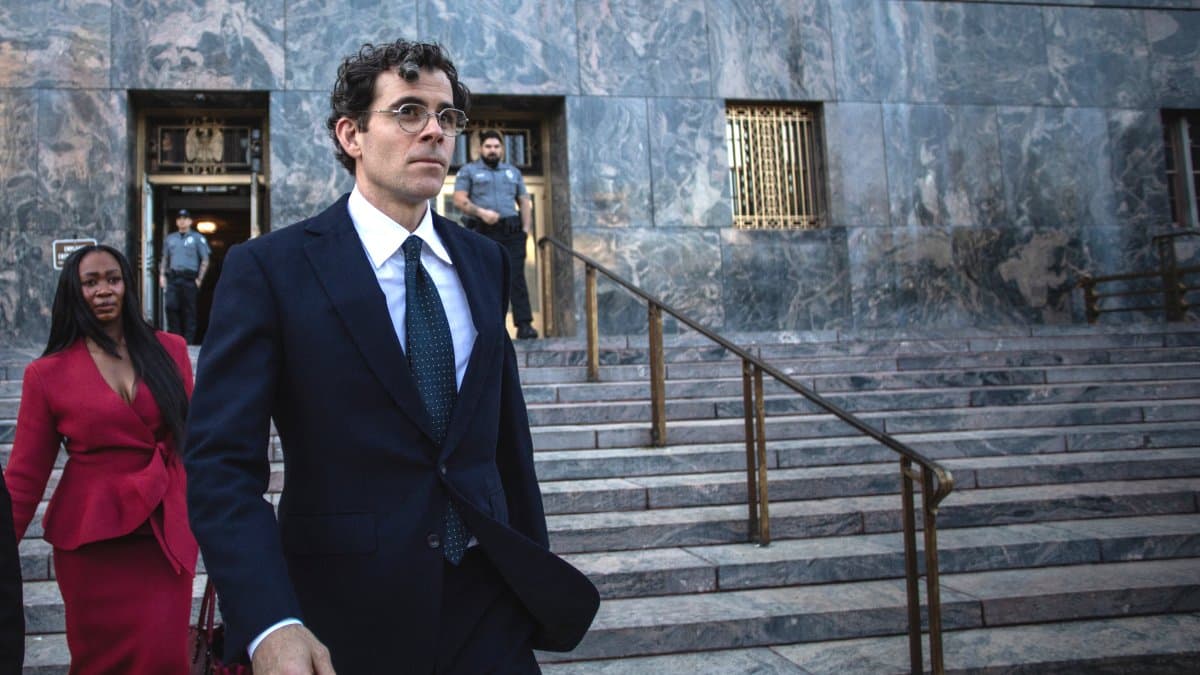

The Instagram, Adam Mosseri, on Wednesday dismissed the notion of a "clinical addiction" to social media and instead spoke of "problematic use" during the landmark trial against Google and Meta, which seeks to determine whether the platforms were designed to generate addiction in minors.
Meta (parent of Instagram and Facebook) and YouTube (owned by Google) face allegations that they designed their platforms to hook younger users for profit. The resolution of this case will set a precedent that will influence the dozens of lawsuits facing social networks.
"It's important to differentiate between clinical addiction and problematic use," Mosseri said while being cross-examined by plaintiff's attorney, Mark Lanier. "I'm sure I said that I've been addicted to a Netflix show when I binged it really late one night, but I don't think it's the same thing as clinical addiction," he added.
Lanier immediately rebutted this argument, noting that the witness lacked training in medicine or psychology. "I've never claimed being able to diagnose addiction clinically," Mosseri responded during the exchange.
Commercial interests vs. security
The concept of addiction is central to this civil lawsuit, which revolves around the complaint of a 20-year-old woman, identified as Kaley G. M., who claims to have suffered severe psychological damage after becoming dependent on social networks during her childhood.
In his opening arguments, Meta's attorney, Paul Schmidt, countered that the plaintiff's psychological deterioration was due to conflicts within her family environment. For his part, Mosseri, at the helm of Instagram since 2018, rejected before the jury the idea that Meta put its profits before the safety of its users.
"Protecting minors over the long run is even good for the business and for profit," he said. "I think it's important for companies, including ours, to make sure that what we make is safe," Mosseri added.
The Instagram CEO became the first major figure in Silicon Valley to appear before the 12-member jury. Mark Zuckerberg, CEO of Meta, is scheduled to appear on Feb. 18, followed a day later by YouTube chief Neil Mohan. The plaintiff, who was present for a few minutes on Monday, will offer testimony in the coming weeks.
YouTube rejects allegations of addiction
"It's not social networking addiction when it's not a social network and it's not an addiction," attorney Luis Li told the 12-member jury on the second day of arguments.
Li's opening arguments followed interventions Monday by lawyers for the plaintiff and Meta, also a defendant in the trial. The lawyer stressed to the six-man and six-woman jury that he "simply did not recognize" the description of YouTube presented by the plaintiff's representatives.
Li argued that what YouTube offers "is the ability to watch content virtually for free on your computer, phone or iPad." The lawyer added that "more people watch YouTube on TV than on their phones or devices. More people watch YouTube than cable TV."
Also, the lawyer added that users' loyalty is due to the quality of the content, and mentioned internal company emails that, he said,reflect a stance against prioritizing virality and in favor of promoting educational and socially beneficial material.
🛠 Do you think there is an error in this article?
Recommendations




LATEST