US expressed concern over Peru ruling that reduces ability to oversee Chancay mega-port: 'Cheap Chinese money costs sovereignty'
The State Department's Bureau of Western Hemisphere Affairs (DOS) noted that "Peru could be prevented from overseeing Chancay, one of its most relevant ports, if it falls under the jurisdiction of Chinese owners with predatory practices."
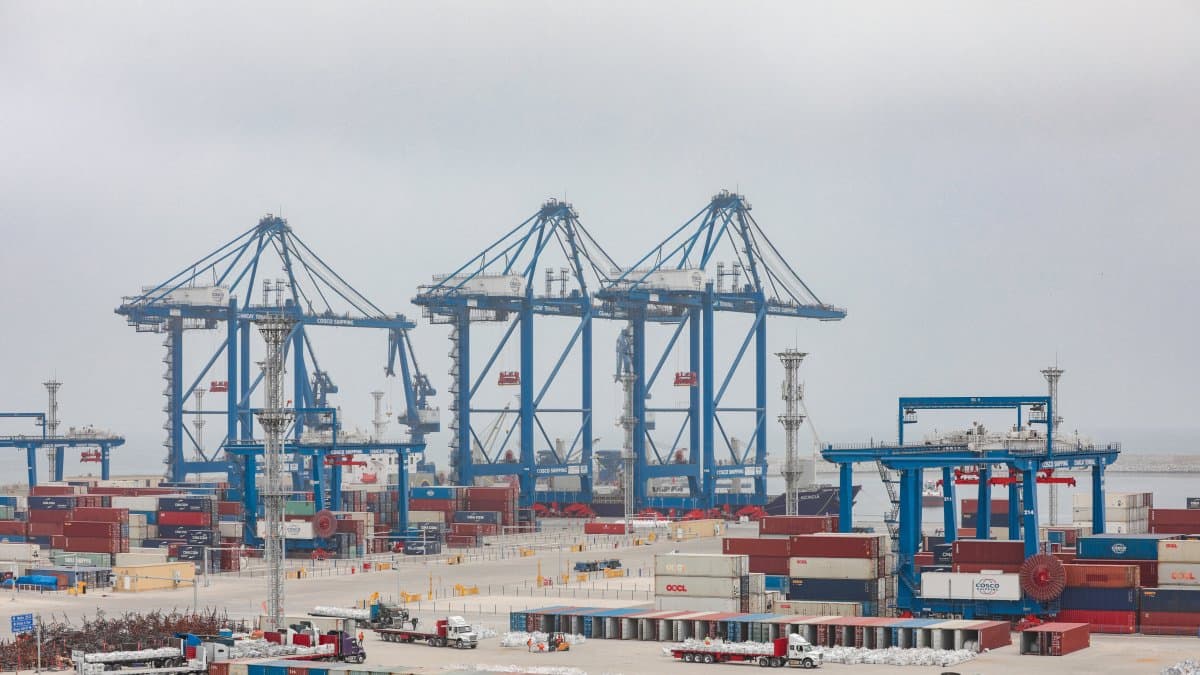

United States on Wednesday expressed concern over a recent court ruling in Peru that restricts the ability of the state regulator, Ositran, to oversee the mega-port of Chancay, located north of Lima and operated by the Chinese company Cosco Shipping Ports.
The first instance ruling determined that "Ositran does not exercise supervisory or oversight functions" in the port of Chancay, a private infrastructure but of public use. The regulatory agency announced that it will appeal the ruling issued on Jan. 29.
"Cheap Chinese money costs sovereignty"
The State Department's Bureau of Western Hemisphere Affairs (DOS) noted in X that "Peru could be powerless to oversee Chancay, one of its largest ports, which is under the jurisdiction of predatory Chinese owners."
"Let this be a cautionary tale for the region and the world: cheap Chinese money costs sovereignty," the office added in its message, amid geopolitical tensions between Washington and Beijing.
U.S. Ambassador to Peru Bernie Navarro, shared the message on his X account and stressed that "there is no higher price than losing sovereignty."
Questioning of the U.S. position
Analyst and academic Andrés Gómez de la Torre declared to TV channel N: "This statement has a much more interventionist vision from the U.S. Administration that is not only located in relation to Peru, but in general in Latin America."
Just the News
Chinese students with CCP membership, military links ‘infiltrate’ U.S. universities, watchdog says
Just The News
For its part, the Chinese company denied representing a threat to Peru's sovereignty. "There is currently a discrepancy over which authority should resolve users' problems, which does not involve sovereignty issues at all," a Cosco Shipping Ports source told AFP. According to the company, Peruvian customs, environmental, police, port and maritime authorities operate in the port.
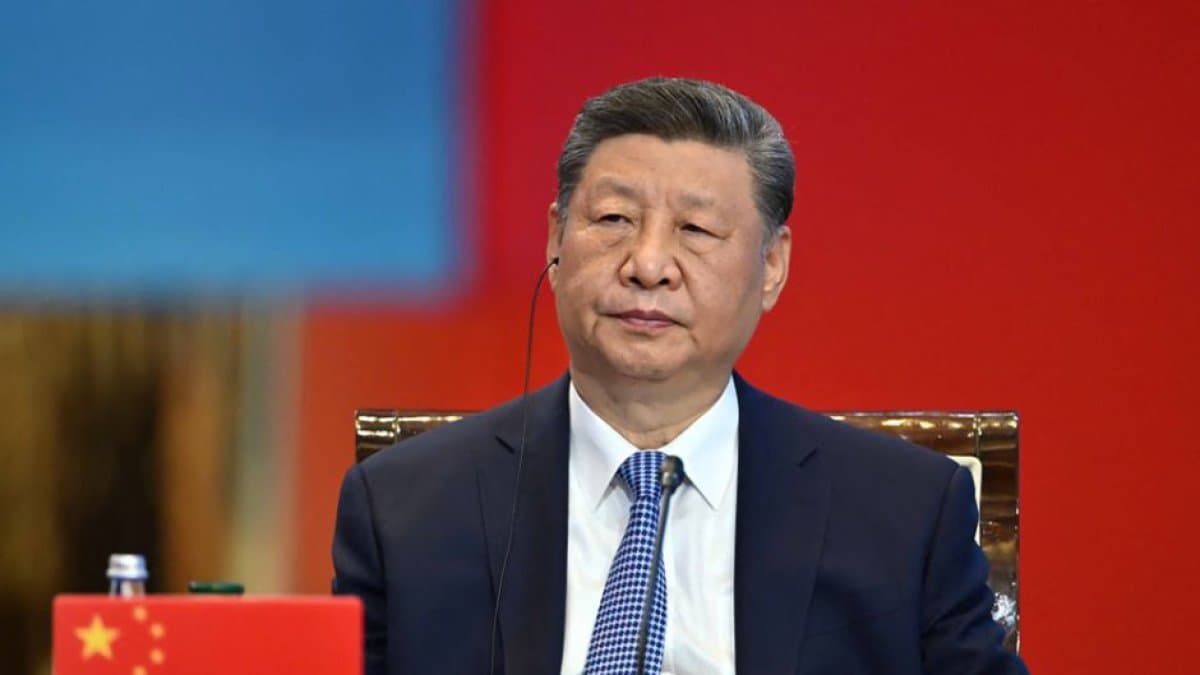
China invested $1.3 million in the maritime terminal, which became one of South America's main ports with Asia since it was inaugurated by Chinese President Xi Jinping at the end of 2024.
🛠 Do you think there is an error in this article?
Recommendations

LATEST