ANALYSIS.
Social networks, in the eye of the storm: the trial against Instagram and YouTube begins while several governments approve legislation to limit minors' access to them
Following Australia's ban before the age of 16, countries such as France and Spain are now proposing laws to prevent children and adolescents from accessing social networks.
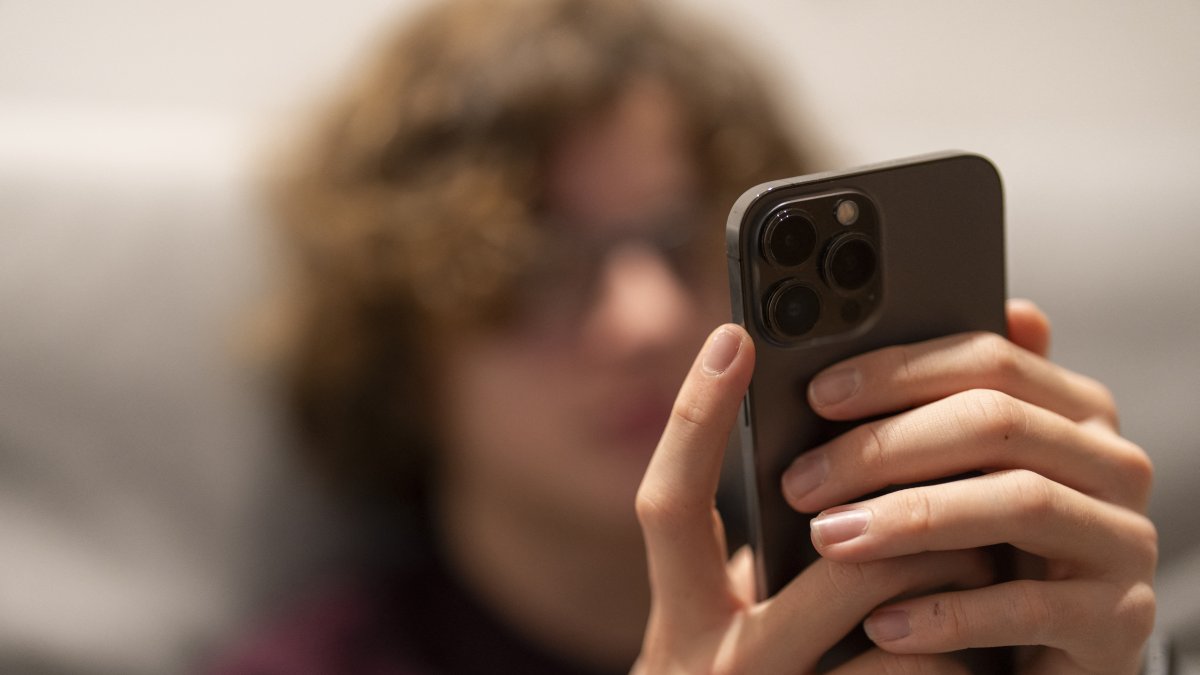
A teenager accesses social networks via his cell phone.

The social networks are at a critical moment. This Monday kicks off the trial that will place in front of a court the owners of Instagram and YouTube, accused of deliberately designing their platforms to addict minors.
It is not the only dock where social networks now find themselves. They are also on trial in the court of public opinion, torn between defending freedom of expression and backing governments that, like Australia, are preparing to ban minors from accessing these platforms.
A key case
The case against Meta (Instragram) and Google (YouTube operates as part of Alphabet) will take place in Los Angeles Superior Civil Court. It is a trial that has aroused great expectation because it could set a legal precedent for a great deal of litigation in the United States against platforms accused of deliberately causing addiction to maximize their advertising revenues.
The case was originally going to be even broader, as TikTok and Snapchat were also defendants, but both platforms reached settlements in recent days for an undisclosed amount.
The war of the jurors
Zuckerberg was the figure who focused the scrutiny of most of the candidates. While the tech advocates tried to weed out the most aggressive profiles against the social networks, the plaintiffs removed from the shortlist those who showed admiration for the Meta CEO and those who seemed predisposed to hold families culpable for their children's addiction.
A 20-year-old woman addicted to social media as a child put Big Tech in the dock
The cause of these giants finding themselves in court is a 20-year-old woman, identified as Kelly G.M., who suffered severe mental damage because she became addicted to social networks as a child.
The young woman, a YouTube user since the age of six and who opened her Instagram account when she was 11, accuses the two platforms of consciously designing addictive apps, to the detriment of her mental health.
Algorithms and personalization, under the microscope
The case will focus not on content - an area in which the platforms are largely protected by U.S. law - but on the design of algorithms and personalization features.
For their part, Meta and YouTube strongly deny the allegations, and argued, unsuccessfully, on Friday to try to get the judge to declare the claims comparing their platforms to tobacco and other addictive products illegitimate.
Moreover, YouTube's lawyers tried throughout to make clear that their case is totally different from Meta's: "Does everyone understand that YouTube and Meta are very different companies? Does everyone understand that Zuckerberg doesn't run YouTube?" asked Luis Li, a lawyer for Google's video platform.

World
The European Union accuses TikTok of promoting addiction and violating its digital rules
Luis Francisco Orozco
Network ban on minors moves forward among governments
This legislation has opened a huge debate around the world on the need to protect mental health and minors, and freedom of expression.
LATEST