Tesla to pay $243 million in a fatal accident case where its Autopilot was found partially responsible
According to data published by the NHTSA, the Autopilot system has been involved, so far, in at least 467 accidents and 13 fatalities.
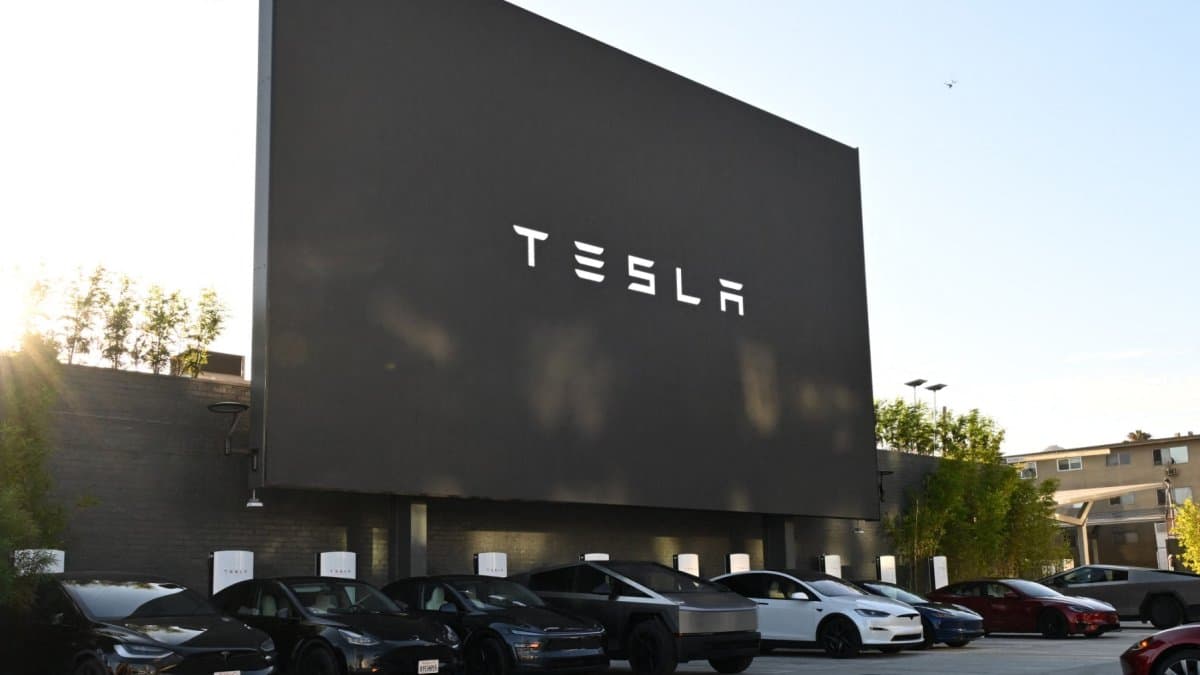

In a major reputational blow, the Tesla company was ordered to pay $243 million in restitution following a ruling by a federal jury in Miami that held it partially liable for a 2019 fatal crash in Florida. The vehicle involved, a Model S, was driving in Autopilot mode when it struck a 20-year-old woman, Naibel Benavides León, who died in the accident in which her boyfriend, Dillon Angulo, was also seriously injured.
The eight-person jury awarded $43 million in compensatory damages and another $200 million in punitive damages. The judges said the penalty did not seek only to punish the company's conduct, but to prevent future negligent behavior.
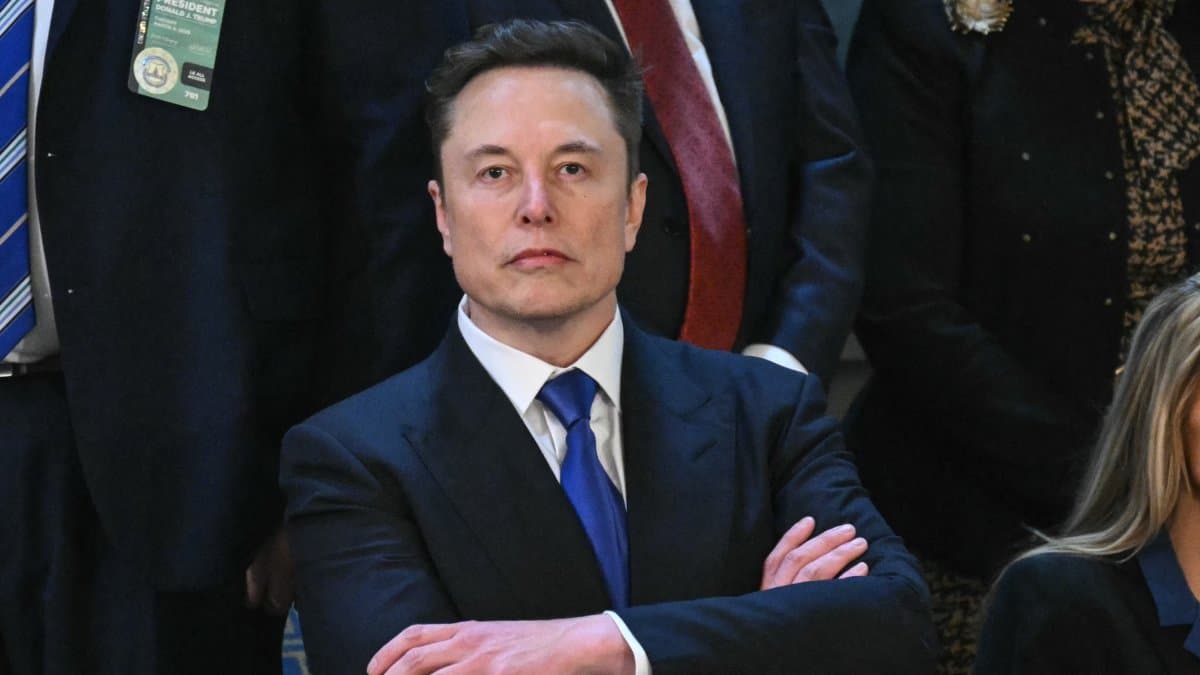
The decision represents a major blow to Tesla and its CEO, Elon Musk, who has long touted his driver-assistance software as a revolutionary tool in road safety.
Politics
Despite his public feud with Trump, Musk donated millions to Republican super PACs ahead of the midterms
Emmanuel Alejandro Rondón
During the trial, plaintiffs' lawyers argued that Tesla overstated Autopilot's capabilities, leading to overconfidence in the driver, George McGee, who was distracted because, in part, he believed the system would automatically brake in the face of imminent danger.
The car, which was going 62 miles per hour, instead failed to stop at a stop signal and a flashing red light, crashing directly into a parked SUV next to which the victim, Benavides Leon, was parked.
In apportioning responsibility, the jury assigned one-third of the blame to Tesla and two-thirds to the driver, who was on his cell phone at the time of the accident.
McGee, who acknowledged responsibility for the fatal crash, also claimed that the Autopilot system failed him at the most important moment.
Notably, the victims' lawyers placed the blame squarely on tech entrepreneur Elon Musk, whom they accused of raising false expectations about the safety of Autopilot. In closing arguments, one of the attorneys said, “We are here because Dillon Angulo and Neima Benavides were part of a beta test they never signed up for.”
Tesla, unlike McGee, rejected the verdict and announced it will appeal the decision.
"To be clear, no car in 2019, and none today, would have prevented this crash. This was never about Autopilot; it was a fiction concocted by plaintiffs' lawyers blaming the car when the driver—from day one—admitted and accepted responsibility," the company said in a statement.
The verdict, in addition to the million-dollar punishment, sets an important precedent, as most wrongful death lawsuits are settled out of court. Now, Tesla will be exposed to increased scrutiny over the safety of its intelligent systems, which have already been questioned by federal authorities such as the National Highway Traffic Safety Administration (NHTSA).
According to data published by the NHTSA, the Autopilot system has been implicated, so far, in at least 467 accidents and 13 deaths.
🛠 Do you think there is an error in this article?
Recommendations
LATEST