What to do in a flood: key tips to follow
The DHS urges people to follow these guidelines before, during and after a flood to help protect their lives.
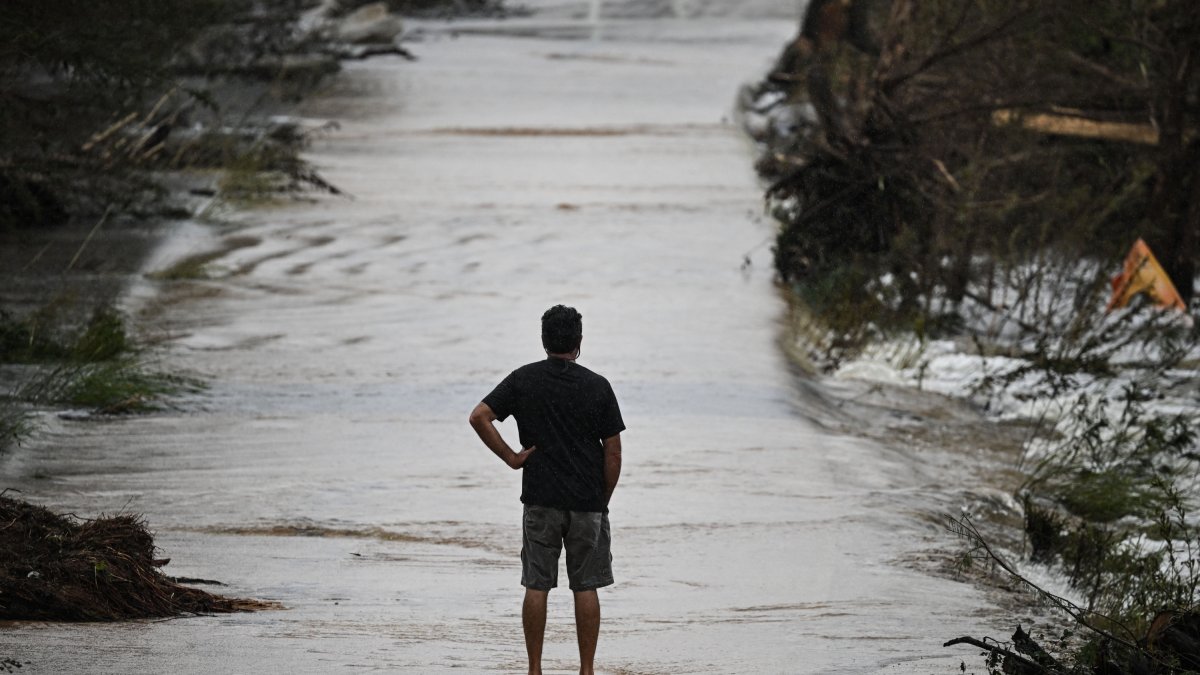
A man looks out over a flooded area in Texas

The floods in Texas—which have resulted in more than 100 deaths, hundreds missing and significant structural damage—are the latest episode of one of the most common natural disasters.
In critical situations like the one in Texas, the government urges those at risk to follow a series of guidelines and recommendations to minimize potential damage—or avoid it altogether.
The Department of Homeland Security (DHS), through Ready.gov, provides several guidelines to follow before, during, and after a flood. The top priority, of course, is to protect your life and safety.
How to prepare for a flood?
The agency encourages people to become familiar with their surroundings—including local geography, infrastructure, and evacuation routes—to better respond to potential dangers. To support this, the Federal Emergency Management Agency (FEMA) offers the Flood Map Service Center, which allows residents to explore flood risks in their area.

Society
Texas: Inspectors approved Camp Mystic's disaster plan two days before the floods
Alejandro Baños
It also recommends that everyone have access to the Emergency Alert System (EAS) or other official sources that provide real-time updates, such as the National Oceanic and Atmospheric Administration’s (NOAA) Weather Radio.
For in-home preparedness, the DHS urges families to create an evacuation plan that includes all residents—including pets—and outlines every step, from the mode of transportation to the evacuation destination.
The department also emphasizes the importance of keeping all vital documents—such as identification and insurance papers—in a waterproof container. According to the DHS, having insurance that covers flood damage is essential.
How do you stay safe during a flood?
If you’re unable to evacuate before the flood hits, the federal agency urges you to quickly contact emergency services to report your location and condition, including details about anyone who is sick or has mobility issues.
Of course, the DHS emphasizes the importance of staying informed through official channels and warns against leaving your shelter, as doing so could put your life—and the lives of those with you—at risk.
If you’re inside your vehicle during a flood, the DHS advises staying inside. However, if water begins to flood the vehicle, you should exit through a window and climb onto the roof to stay safe.
Another guideline from the DHS is to avoid staying near floodwaters or attempting to cross flooded roads, as the underlying structures may be weakened or eroded and could collapse.
How to stay safe after a flood?
Once the situation has calmed, the DHS advises that the first step is to follow the instructions from authorities. Even if you want to return home, wait until you’re told it’s safe to do so.

Society
NASA deploys high-tech aircraft to assist in rescue efforts after Texas floods
Sabrina Martin
When you return, disconnect the electrical system to prevent the risk of electric shock. Water is a deadly conductor of electricity, and coming into contact with it can cause electrocution.
The DHS warns that you may encounter snakes or other wild animals on your property that could pose a danger. It also cautions about the presence of toxic waste and recommends wearing latex or nitrile gloves, waterproof boots, and masks to protect yourself during cleanup.
LATEST