Former White House press secretary and acclaimed journalist Bill Moyers dies
The influential television content producer died Thursday in New York at the age of 91.
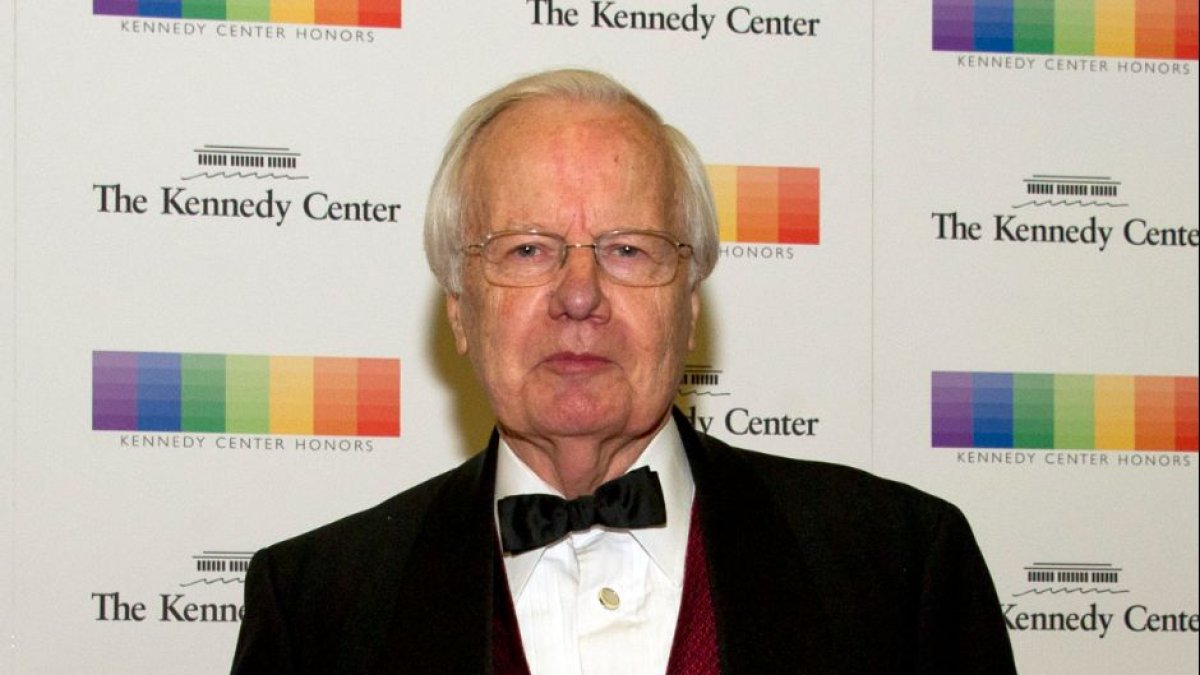
Bill Moyers

Bill Moyers, who served as press secretary to President Lyndon B. Johnson before becoming an influential television content producer, died Thursday in New York at 91. His son, William, confirmed that he died at Memorial Sloan Kettering Hospital after a long illness.
Tom Johnson, a former executive editor of CNN and an assistant to Moyers, also confirmed his passing.
From politics to journalism
Moyers' career was broad and diverse. He began as a Baptist minister, served as deputy director of the Peace Corps, was press secretary to President Johnson, and later served as newspaper editor, senior news analyst for The CBS Evening News and chief correspondent for CBS Reports.
However, his greatest recognition came through public television, where he produced hundreds of hours of programming for PBS. In his series, he tackled varied topics such as government corruption, drug addiction, media consolidation, the environment, religion and culture.
Among his best-remembered works are "The Secret Government (1988)," a production on the Iran-Contra scandal, and Joseph Campbell and the "Power of Myth," a series of interviews with the religious scholar that was well received by the public and was accompanied by a successful book.
Also notable were his televised conversations with poet Robert Bly and the series "Healing and the Mind," which had a significant influence on the medical field.

A style all his own
Moyers opted for a format centered on extended interviews, a style he advocated, noting that the human face is the "most fascinating production value." He maintained a thoughtful and detailed approach throughout his career, with a serene tone that many considered characteristic.
Although he was described as a progressive, Moyers described himself as a "citizen journalist" interested in ideas and broadening the public conversation. In a 2004 interview, he stated, "I’m an old-fashion liberal when it comes to being open and being interested in other people’s ideas."
His work was recognized with more than 30 Emmy Awards, 11 George Foster Peabody Awards, three George Polk Awards and two duPont-Columbia Awards for lifetime achievement in journalism. In 1995, he was inducted into the Television Hall of Fame.
Origin and legacy
LATEST