






Antisemitic attack in Boulder: Mohamed Sabry Soliman charged with 118 counts
The Egyptian immigrant is the prime suspect in the attack that left 15 injured during a peaceful demonstration over the weekend. Authorities are looking into the role of his family, whose deportation was halted by a judge.
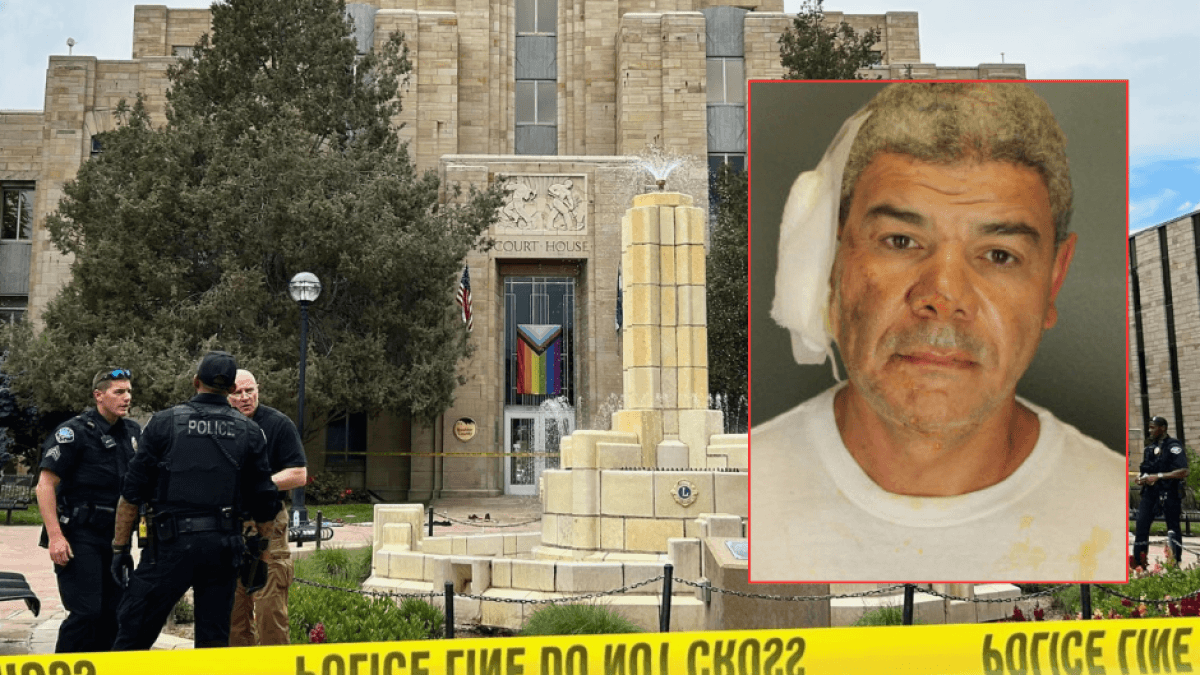

672 years in prison. That's the maximum sentence Mohamed Sabry Soliman could face, the suspect in last weekend's antisemitic Molotov cocktail bomb attack in Boulder, Colo.
This was detailed by District Attorney Michael Dougherty, who added that the 118 charges filed Thursday "reflect the evidence that we have regarding this horrific attack that took place and the seriousness of it." Federal hate crime charges will be added to these state charges.
A total of 15 people were injured in the attack, according to the prosecution. This count increased during the week as more people with minor injuries approached authorities to report what happened.
Specifically: the injured are eight women and seven men who were taking part in a march to call for the Israeli hostages held by Hamas. Their ages ranged from 25 to 88. The oldest, according to close sources, is a refugee who fled the Holocaust.
Three victims remain hospitalized.
What happened in Boulder?
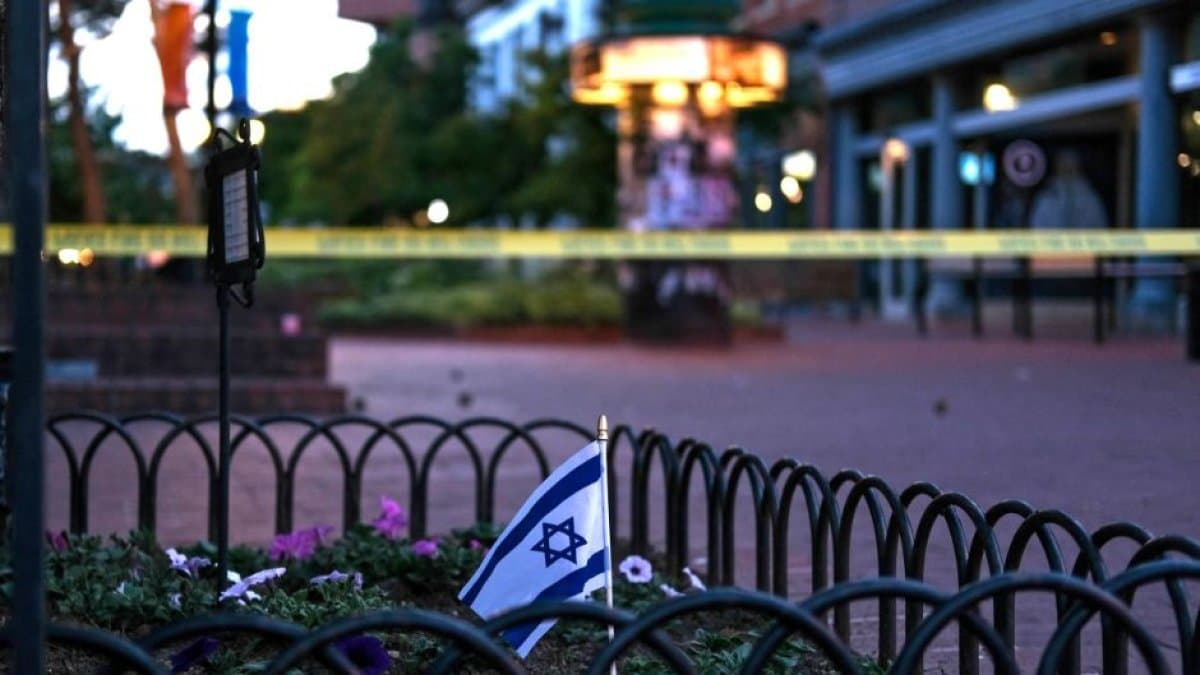
At 2 p.m. on June 1, a man threw two homemade Molotov cocktails at about 20 people gathered near the Boulder Courthouse to raise their voices for Hamas abductees. Meanwhile, the attacker shouted, "Free Palestine."
After his arrest, Soliman told authorities that he learned how to make explosive devices on YouTube: glass bottles filled with gasoline, red rags as fuses. Made at his home in Colorado Springs, nearly a two-hour drive away, he allegedly transported them in his Toyota Prius to the crime scene.
Another 14 unlit Molotov cocktails were found inside a black plastic bag with a yellow lid. Nearby, authorities also found a spray backpack loaded with gasoline. Soliman intended to use it, it is believed, to immolate himself.
To avoid arousing suspicion, the attacker reportedly disguised himself in an orange vest and carried a bouquet of flowers to pose as a gardener, according to police.
Motives for the attack
National authorities quickly said the incident was an antisemitic and terrorist attack, while local authorities were initially reticent. As the hours passed, however, the gap has been closing in favor of the former.
"He stated that he wanted to kill all Zionist people and wished they were all dead," FBI agent Jessica Krueger maintained in a court deposition. Under questioning, she added, the suspect said he had targeted the "Zionist group" after seeing on the internet that they were going to congregate that Sunday.
"Throughout the interview, Soliman stated that he hated the Zionist group and did this because he hated this group and needed to stop them from taking over 'our land,' which he explained to be Palestine," she further maintained. "He stated that he had been planning the attack for a year and was waiting until after his daughter graduated to conduct the attack."
A viral video on social media showed him during the attack, shirtless, shouting "end Zionists" and "how many children killed," presumably alluding to the civilians killed in Gaza.
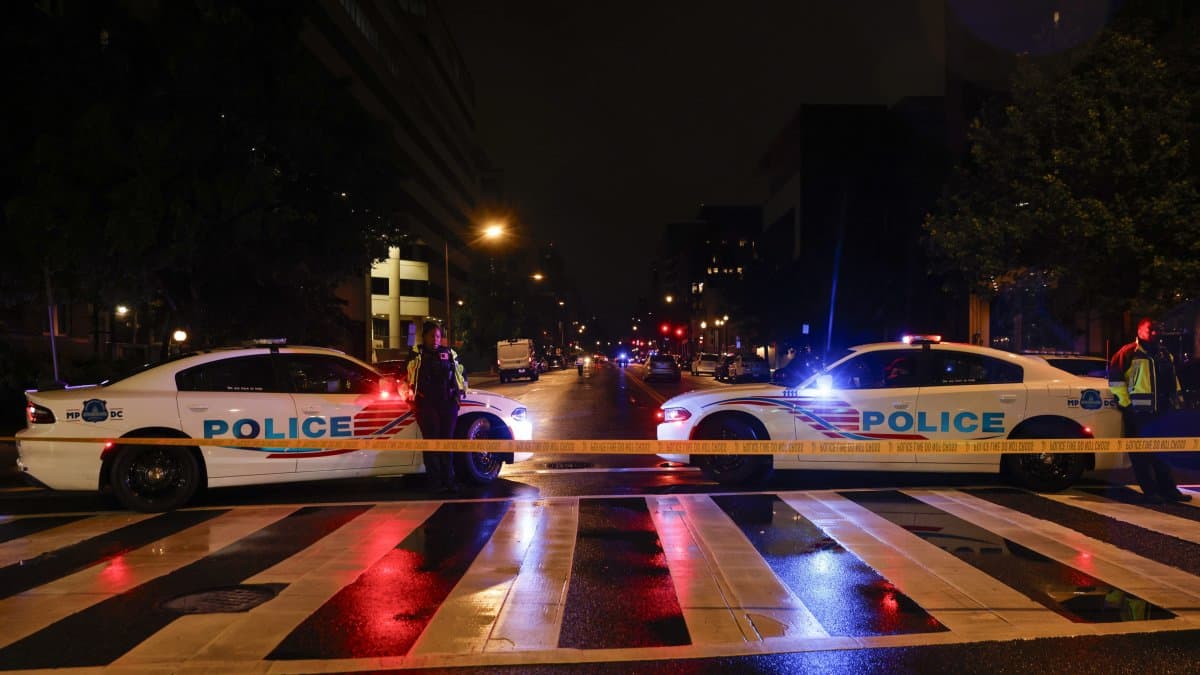
Attorney General Pam Bondi, after federal charges were filed the day after the attack, called the "heinous attack" "vile antisemitic violence." "We refuse to accept a world in which Jewish Americans are targeted for who they are and what they believe," she added, linking the episode to the murder of two Israeli embassy employees in the streets of Washington, D.C.
JNS
‘Another wake-up call,’ US Jewish leaders say after gunman kills two Israeli embassy staffers in DC
JNS (Jewish News Syndicate)
Updates
FBI arrests U.S. citizen who intended to set fire to U.S. embassy in Israel
Luis Francisco Orozco
"Praying with our feet": What is Run For Their Lives?
Created by Israelis from the Bay Area in California, in collaboration with the international organization Hostage and Missing Families Forum, the group has local branches in different parts of the country.
On its website, it acknowledges that "safety" is "a valid concern these days" when considering attending one of its demonstrations. However, after a series of safety recommendations, the group says it is a "family-friendly event": "It is non-violent and does not focus on the traumatic events that occurred during the hostages' captivity. Our events are meant to be quiet and peaceful."
"Groups around the world that never quit, that never stop walking, that never stop saying the names of the hostages and expressing their solidarity," said Rachel Amaru, head of the Boulder branch.
After thanking the solidarity received from inside and outside the country following the attack, she said that although it had "rocked all of us," "it has also united us in our mission." "We will keep praying with our feet. We will keep saying their names. We will stand up to antisemitism."
Amaru also shared that Run For Their Lives is made up of Jews and non-Jews, from different religious and political backgrounds, some with ties to Israel and some without.
"This is a humanitarian mission, and we will not let a domestic terrorist stop us from doing what we do best."
Suspect's legal status
An Egyptian citizen, Soliman (born 1979) entered the country in August 2022 on a tourist visa, according to the Department of Homeland Security. This expired in February 2023. Although in March of that year he was granted a permit to work, after he applied for asylum, this also expired.
Based on this information, and the fact that Soliman had been plotting the plan for a year, the Trump administration took aim at the immigration policies of his predecessor "Instead of deporting this heinous individual, Joe Biden’s admnistration allowed him to stay in our country and to work," White House Press Secretary Karoline Leavitt said at a press conference.
The administration also cited the attack as grounds for banning the entry of nationals from 12 countries for posing "security risks," as well as partial restrictions on nationals from seven others. Egypt, however, is not on the list.
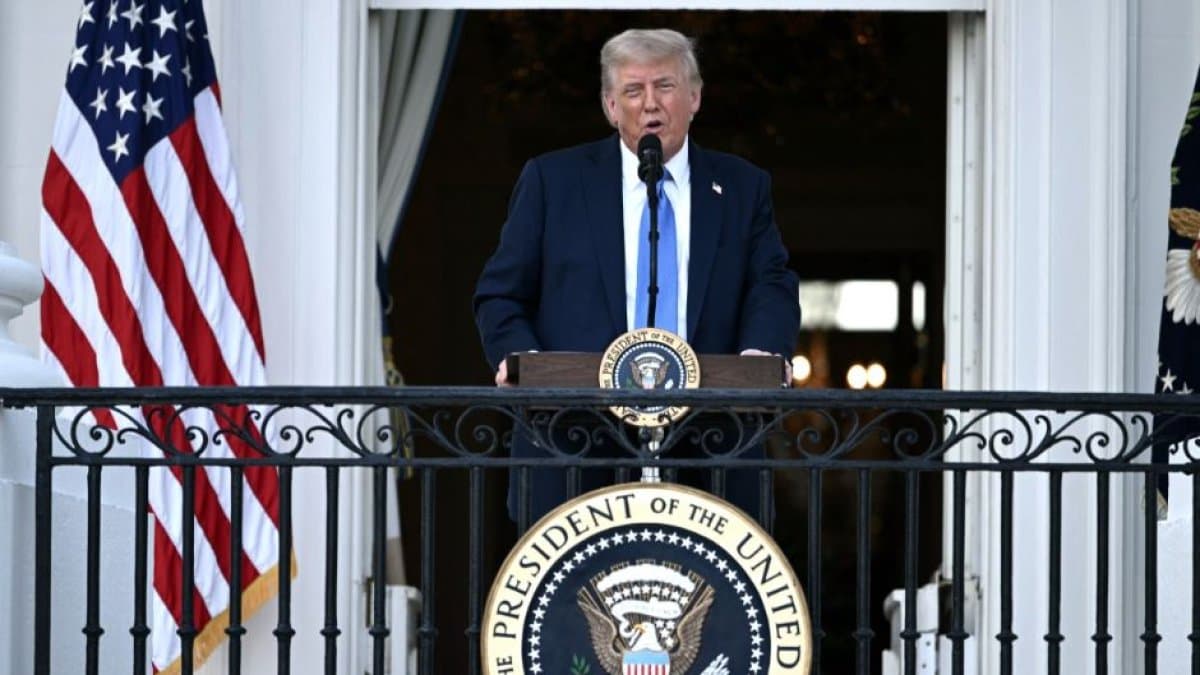
Trump argued Thursday that the ban covered countries that did not have "things under control." Egypt, he says, "has things under control."
The Soliman family
Earlier in the week, Immigration and Customs Enforcement (ICE) detained the Egyptian immigrant's family. Authorities announced that they were investigating the possible collaboration of Soliman's wife.
Both she and her five children were being prepared for deportation, following the revocation of their visas, but a federal judge temporarily blocked the removal: "The Court finds that deportation without process would cause irreparable harm and that, given the urgency of this situation, an order should be issued without notice."
Politics
Colorado: Federal judge blocks deportation of family of Boulder terror suspect's family
Agustina Blanco
🛠 Do you think there is an error in this article?
Recommendations





LATEST