US banana company Chiquita to lay off its entire workforce amid protests in Panama
The employees of the Chiquita plant went on strike because they reject a recent social security reform that eliminated specific benefits for banana workers in health and pensions.
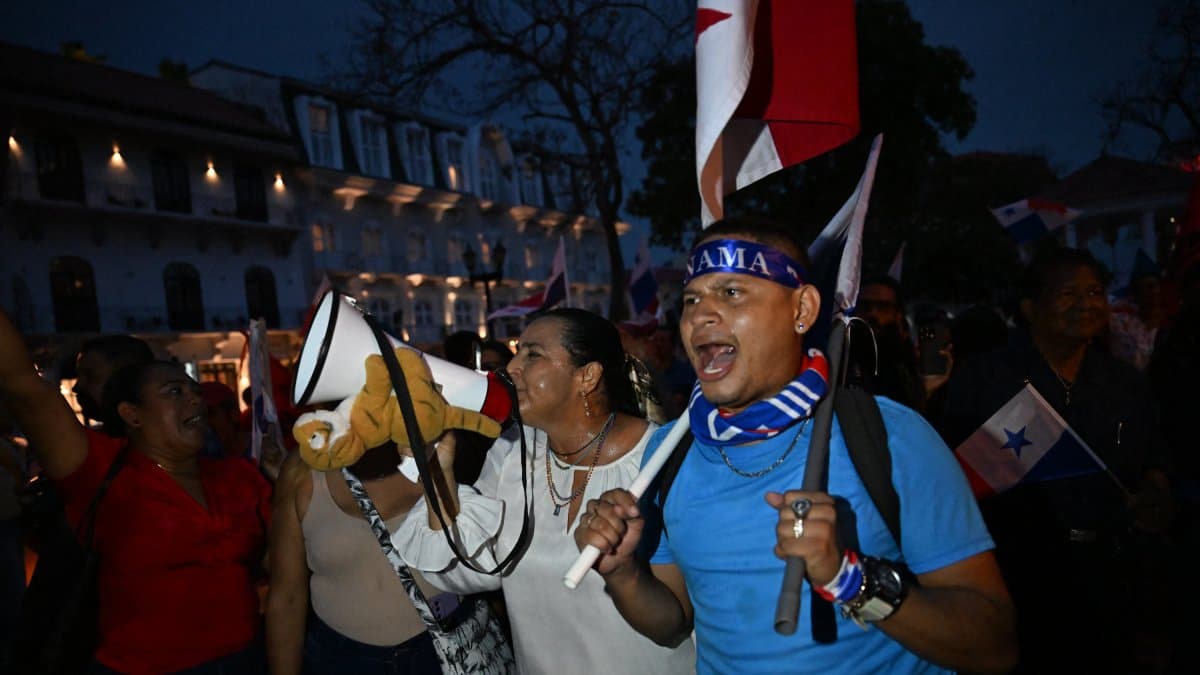

The Panamanian subsidiary of the U.S. banana company Chiquita Brands will lay off the more than 1,600 workers still remaining in its workforce, following over a month of strikes, the government announced Monday, as protests continue to grow across the country.
The employees of the Chiquita plant went on strike because they rejected a recent social security reform that eliminated specific health and pension benefits for banana workers.
Chiquita had announced 11 days ago the dismissal of 4,900 workers and the cessation of its operations due to the strike at its Changuinola production center, in the Caribbean province of Bocas del Toro, bordering Costa Rica.
Now, the company informed the Government that this week it will lay off the rest of its employees, said Panamanian Minister of Labor, Jackeline Muñoz, during a press conference. "They are presenting us with a request for authorization to lay off more than 1,600 (employees), there is not a single worker left of the company's entire payroll," Muñoz said.


Politics
Panama to allow US military deployment in Canal-adjacent areas and other security zones
Diane Hernández
Unsuccessful negotiation of the end of the strike
The official traveled to Bocas del Toro, together with other ministers, to negotiate unsuccessfully the end of the strike and the opening of roads. "It is a very hard blow" for employment and economic reactivation, she added.
The strike, declared illegal by a labor court, has caused the closure of several routes in that tourist region and more than 75 million dollars in losses, according to Chiquita.
After negotiating with the unions, the government of José Raúl Mulino agreed to draft a bill to reinstate the labor benefits of the banana workers, but conditioned its submission to the National Assembly to a reopening of the routes.
But the unions refuse until the new regulation is approved, while the stores report shortage of products and fuel, the ATMs of state banks are out of service and schools remain closed.
World
Panama pledges to abandon Silk Road after Secretary Hegseth's visit with President Mulino
Emmanuel Alejandro Rondón
Wave of protests, injuries and arrests
For more than a month, Mulino has been facing a growing wave of protests against the pension reform and other issues.
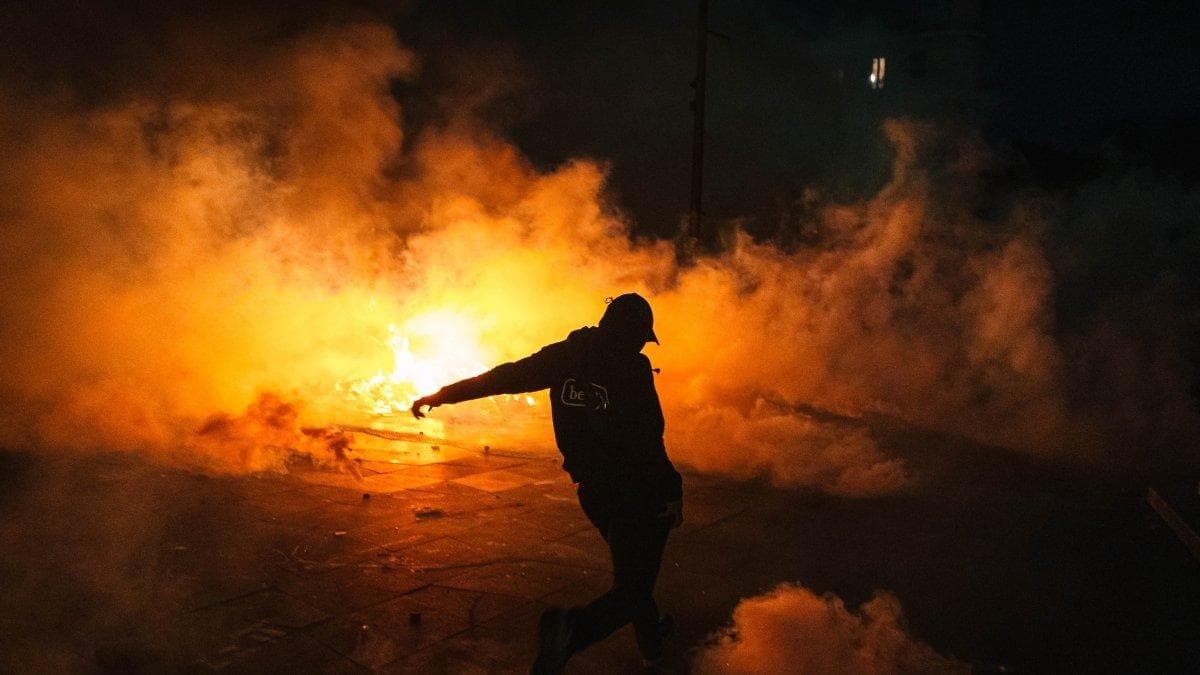
On Monday, police used tear gas to reopen several sections of the Pan-American Highway that had been blocked with logs and stones by protesters. During the clashes, local media showed images of injured and detained individuals.
The cause that paralyzes Panama
The Central American country has accumulated a deficit of more than US$650 million in workers' pensions.
The changes generated a great deal of parliamentary debate and some protests by labor unions and other associated unions.
After President Mulino approved the reforms, the teachers' union began an indefinite strike on April 23, which was joined by other sectors, such as the construction sector—the largest in the country—and the banana workers' union.
Since then roads have been blocked, classes have been interrupted and fuel shortages have been reported in several parts of the country, according to local media.
A government delegation is holding negotiations with the unions, which are asking for the approval of a law that restores the benefits that, according to them, were provided by the previous regulations on pensions and health services.
But the Mulino government has insisted that the changes do not affect the retirement age that was in force, something that the workers are demanding.
🛠 Do you think there is an error in this article?
Recommendations




LATEST