Obama-appointed judge orders reinstatement of James Comey's daughter and limits Trump's power over DOJ
The Department of Justice argued that federal prosecutors exercise the President’s "conclusive and preclusive" powers under Article II of the Constitution and that, therefore, Congress cannot regulate or limit their removal.
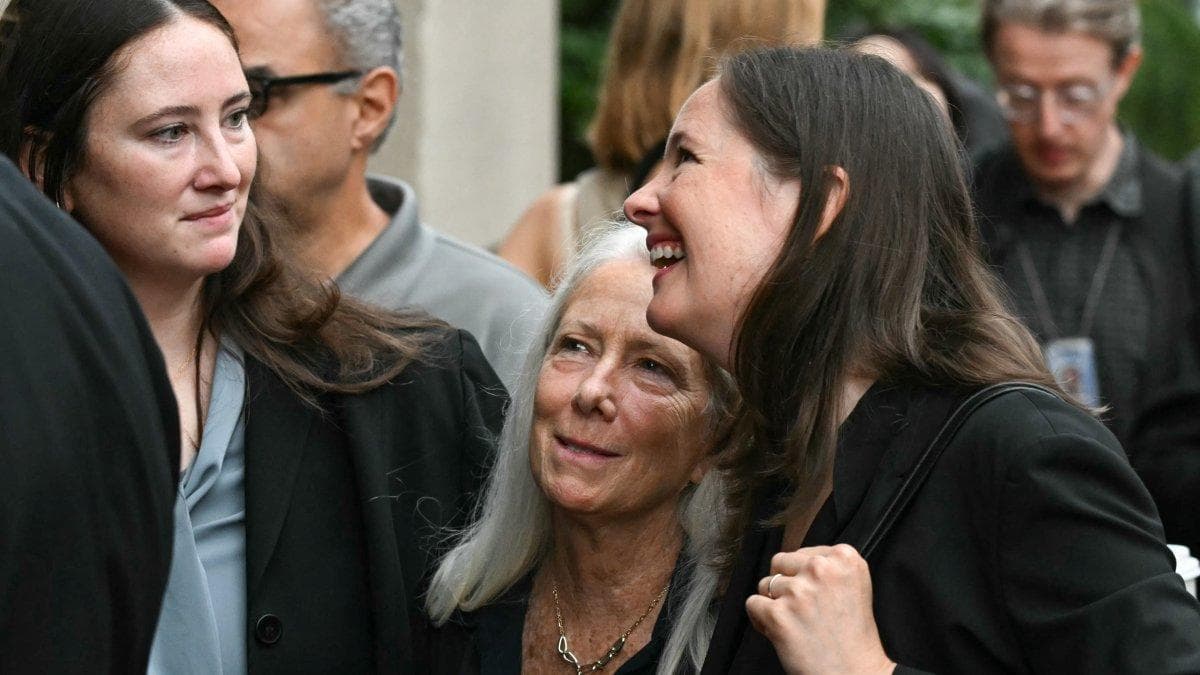

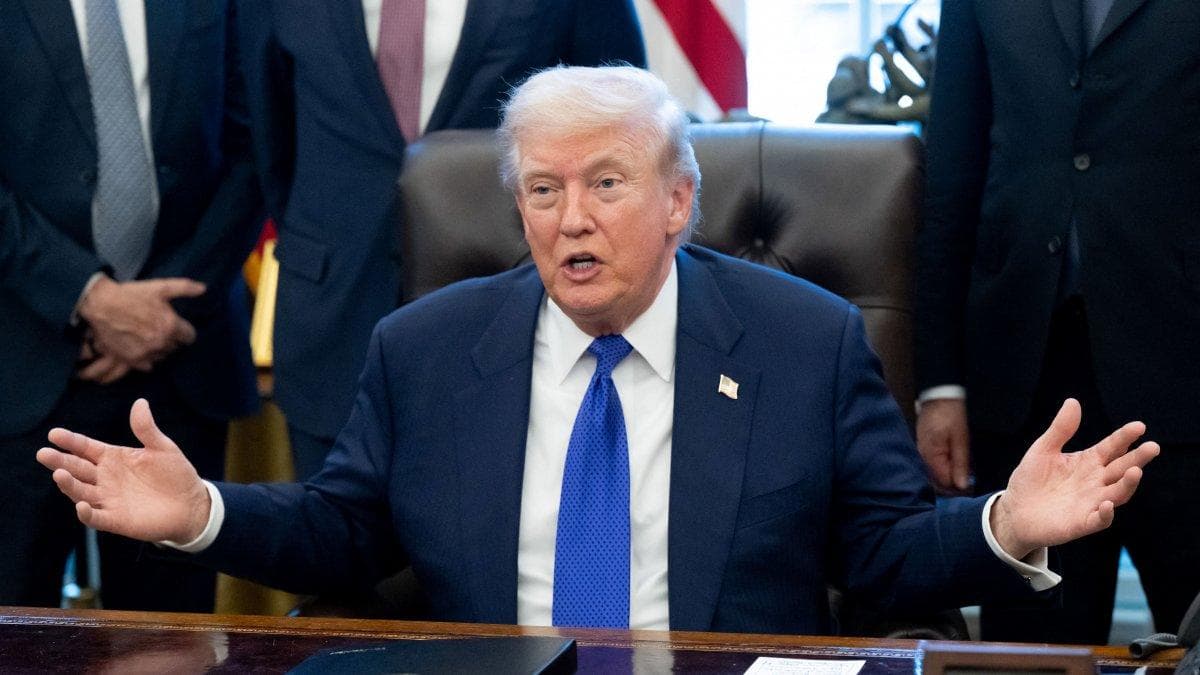
A federal judge in New York ruled on Monday that Donald Trump's Department of Justice (DOJ) acted unlawfully when it fired prosecutor Maurene Comey, daughter of former FBI Director James Comey—who was appointed by Barack Obama in 2013 and fired by Trump in 2017—in July 2025, and ordered her retroactive reinstatement. The ruling represents a legal setback for the administration, which has already announced that it will appeal the decision.
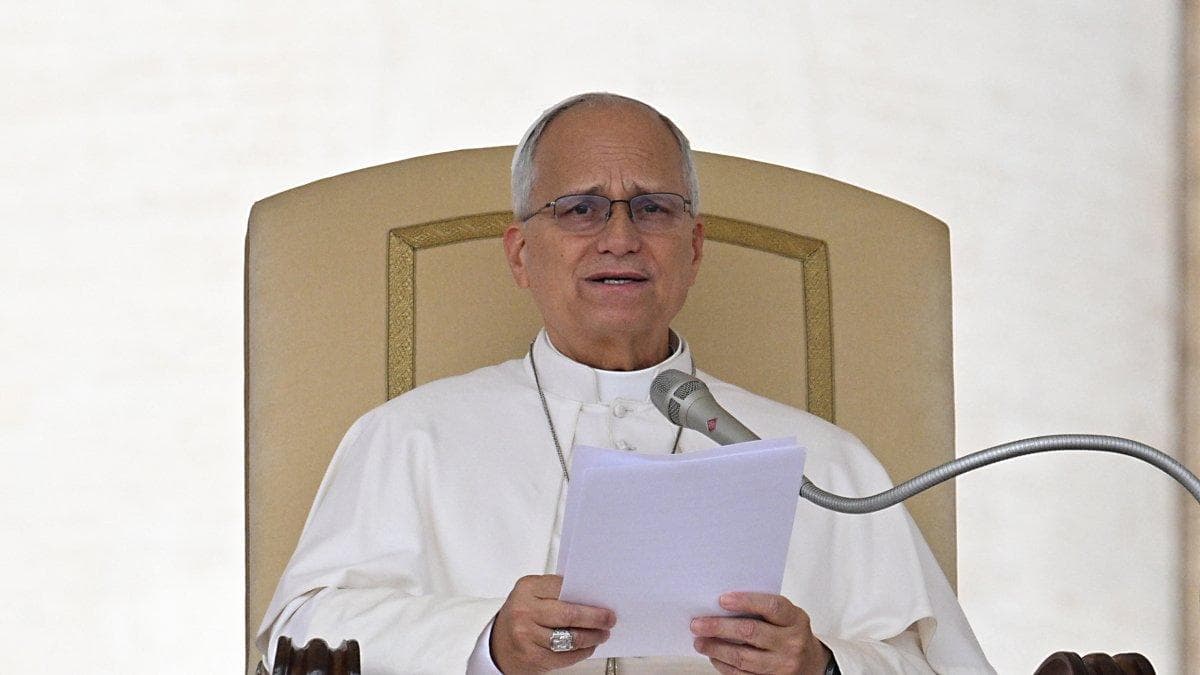
Judge Jesse Furman of the Southern District of New York, appointed by Obama in 2011, concluded that Comey's dismissal violated the separation of powers, the Civil Service Reform Act and her due process rights.
"Yes, the Attorney General is authorized by law to remove an AUSA," Furman stated. "But the Attorney General... is also limited by law... to do so only in a particular manner and only for certain reasons."
What the court ordered
Furman ordered that Comey be retroactively reinstated to her position as assistant U.S. attorney and that she receive the corresponding back pay from July 16, 2025 through December 20, the date on which she accepted a position at a private law firm. The decision does not require her to leave her current job nor does it yet resolve her claim regarding an alleged violation of the First Amendment, on which the judge has requested further written arguments.
The prosecutor had sued the Department of Justice following her summary dismissal, alleging that she was terminated "solely or substantially" because of her father's criticism of Trump or "because of her perceived political affiliation and beliefs." The ruling, however, focuses on the legal and procedural flaws in the termination, not on a conclusion that Trump himself personally ordered the dismissal.
The Trump administration's defense
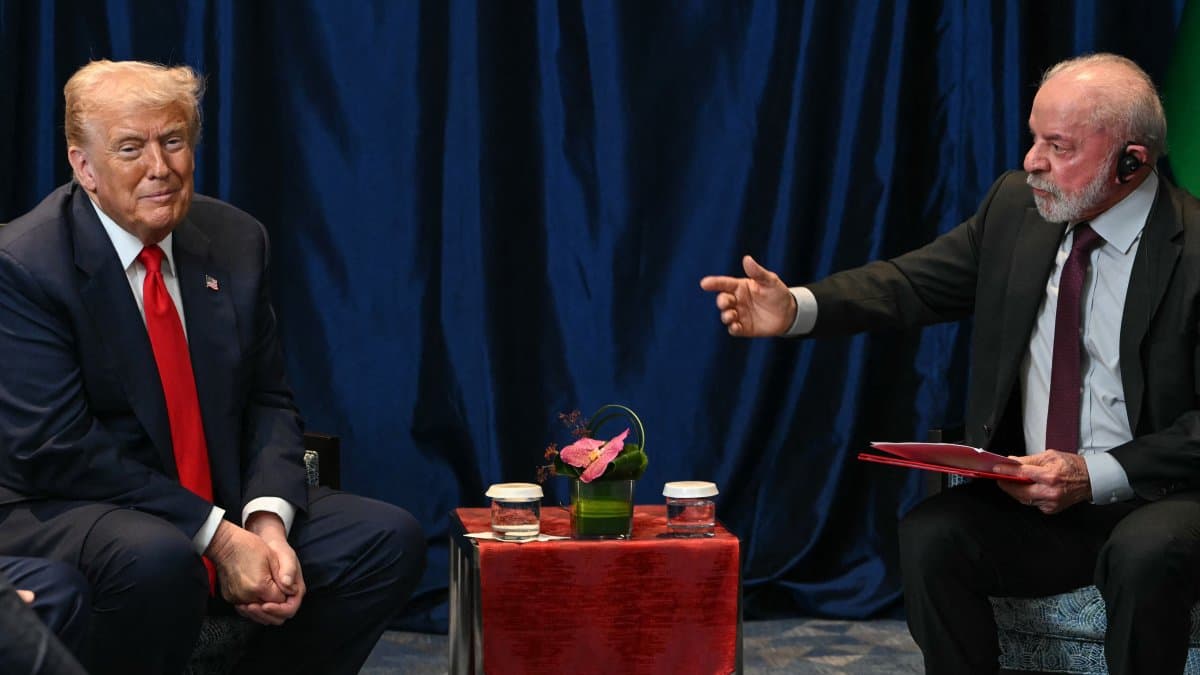
The DOJ argued that federal prosecutors exercise the President’s "conclusive and preclusive" powers under Article II of the Constitution and that, therefore, Congress cannot regulate or limit their removal. This is how Judge Furman's ruling summarizes it. This argument is based on the conservative doctrine of executive unity, according to which criminal prosecution policy must be accountable to the democratically elected president and not subject to the civil service restrictions applicable to other public employees.
Judge Jesse Furman flatly rejected that argument. In his opinion, he wrote: "The Court concludes that Defendants are wrong." He added that the government's argument that Article II prevents Congress from regulating the removal of assistant U.S. attorneys "flies in the face of nearly two centuries of Supreme Court precedent." And he warned that accepting the executive branch's position "would be to unsettle the very equilibrium established by this Nation’s constitutional system."
A high-profile case
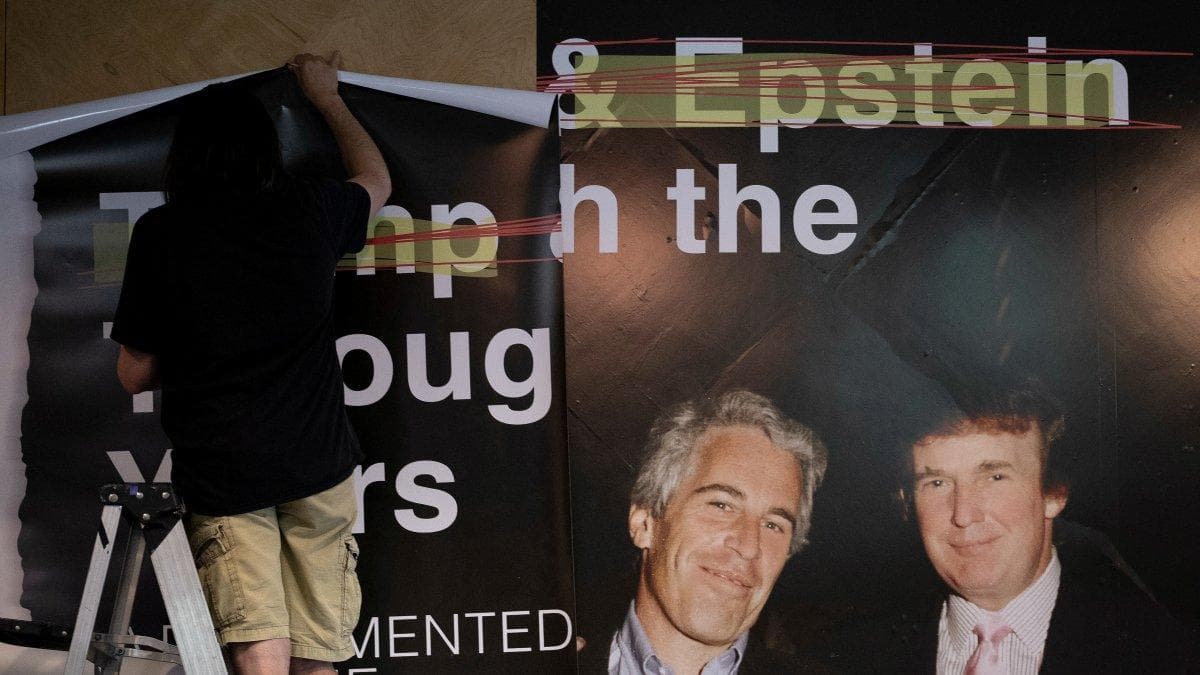
Maurene Comey worked for nearly a decade as an assistant U.S. attorney in Manhattan and was involved in high-profile cases, including those involving music producer Sean "Diddy" Combs, sex offender Jeffrey Epstein, and Ghislaine Maxwell, the only former associate of Epstein to face criminal charges for her role in his activities.
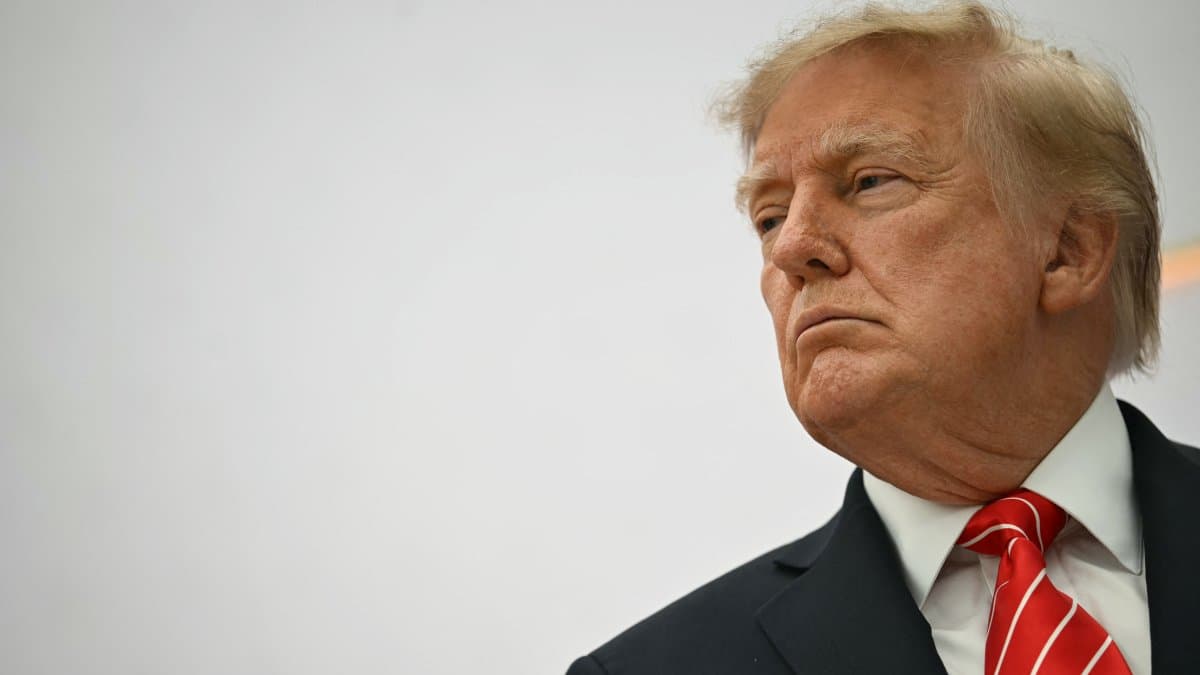
Her father, James Comey, was fired by Trump in 2017 while leading the investigation into possible contacts between the 2016 Republican campaign and Moscow. Since then, he has become one of the president's most vocal critics. In April, he was charged over an Instagram post featuring the numbers "8647," which the Department of Justice interpreted as a threat; Comey denies having threatened the president's life.
Next step: The appeal
While the appeal is pending, the court order requires the Department of Justice to pay Comey's back pay and correct her personnel file. The ruling leaves open a central question for the administration: how far can the president's authority over federal prosecutors extend without conflicting with the due process protections recognized by the courts.
🛠 Do you think there is an error in this article?
Recommendations

LATEST