Trump threatens the Iranian regime following an attack on a US military base in Jordan: 'We'll be hitting them hard'
The president warned that Tehran is "going to get a beating" and promised a forceful response from Washington, at a time of severe regional escalation that also includes joint U.S.-Saudi airstrikes in Iraq and threats of a blockade in the Red Sea by groups backed by the ayatollahs.
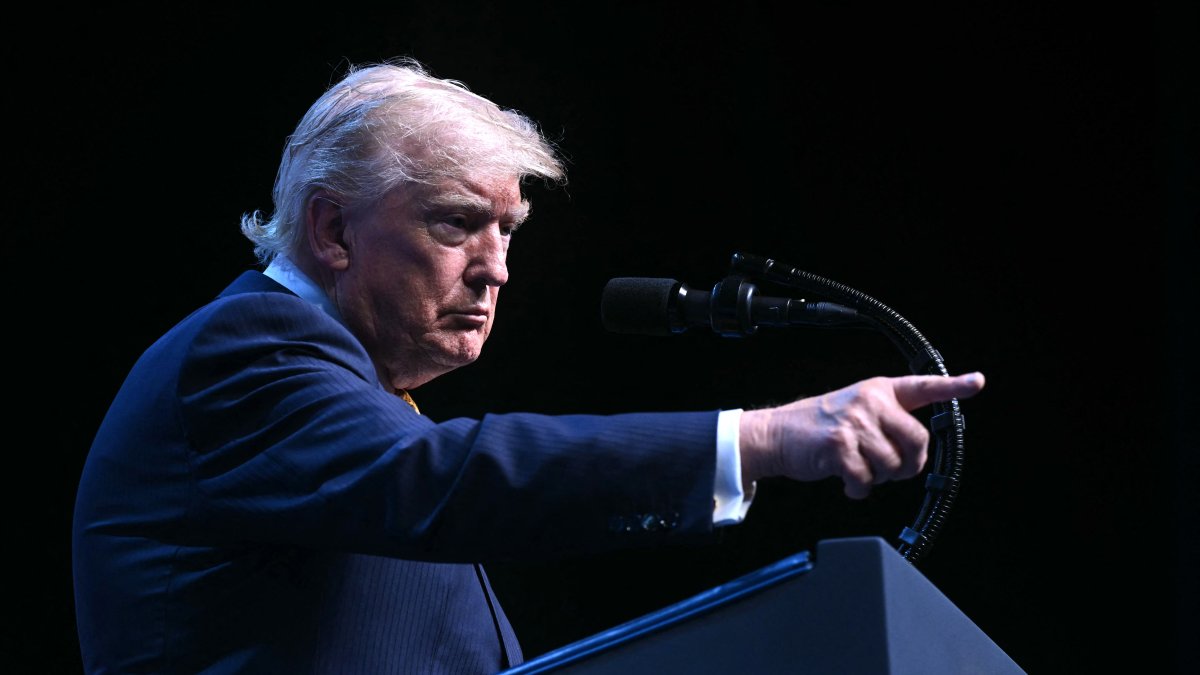
President Donald Trump

President Donald Trump warned on Wednesday that Washington will respond forcefully to Iran after the Ayatollahs' regime launched missiles at a U.S. base in Jordan. Speaking to Fox News, the president stated: "We'll be hitting them hard. They're going to get a beating," reigniting tensions in the Middle East.
The president's warning comes amid regional escalation: Saudi and U.S. authorities announced coordinated airstrikes against armed groups in Iraq, following two days of drone attacks on oil facilities in Saudi Arabia.
For its part, Iran launched missiles at a U.S. military base in Jordan. "As long as the threats against the Islamic Republic of Iran continue... the resistance will continue," the Guardians of the Revolution said in a statement.
"Proxy war"
The U.S. specified that its attacks in Iraq targeted logistics and weapons sites belonging to a group aligned with the Iranian regime, and Trump stated that the operation was coordinated from Baghdad. However, the Iraqi presidency denounced the bombings as "an unacceptable attack and a flagrant violation of sovereignty."

World
The Iranian regime defies Trump with a missile attack on a US military base in Jordan
Luis Francisco Orozco
Iraq, which counts Washington and Tehran among its main allies, has long since become a proxy battlefield between the two. Saudi analysts, such as Hesham Alghannam, told AFP that Iran is now using its network of affiliated groups to maintain its influence while diplomatic channels capture international attention. "Proxy war is the continuation of direct war by other means, and it is being waged with considerable strategic coherence," he said.
Another front in the Red Sea
However, last week the Houthi rebels, an Iran-backed group that controls large swaths of Yemen, announced a naval blockade of Saudi ports on the Red Sea. The information minister of the internationally recognized Yemeni government, Moammar al Eryani, explained to AFP that the Houthis' plan is to establish a system of tolls on ships transiting the Strait of Bab al-Mandeb, which provides access to the Red Sea, and that the Revolutionary Guards are "assisting in the effort."
LATEST