ANALYSIS
The illusion of the 'public supermarket': A lesson New York refuses to learn from Venezuela
Just as in the New York approach, the official Venezuelan argument maintained that private-sector speculation justified a "public option" to set supposedly ethical prices.
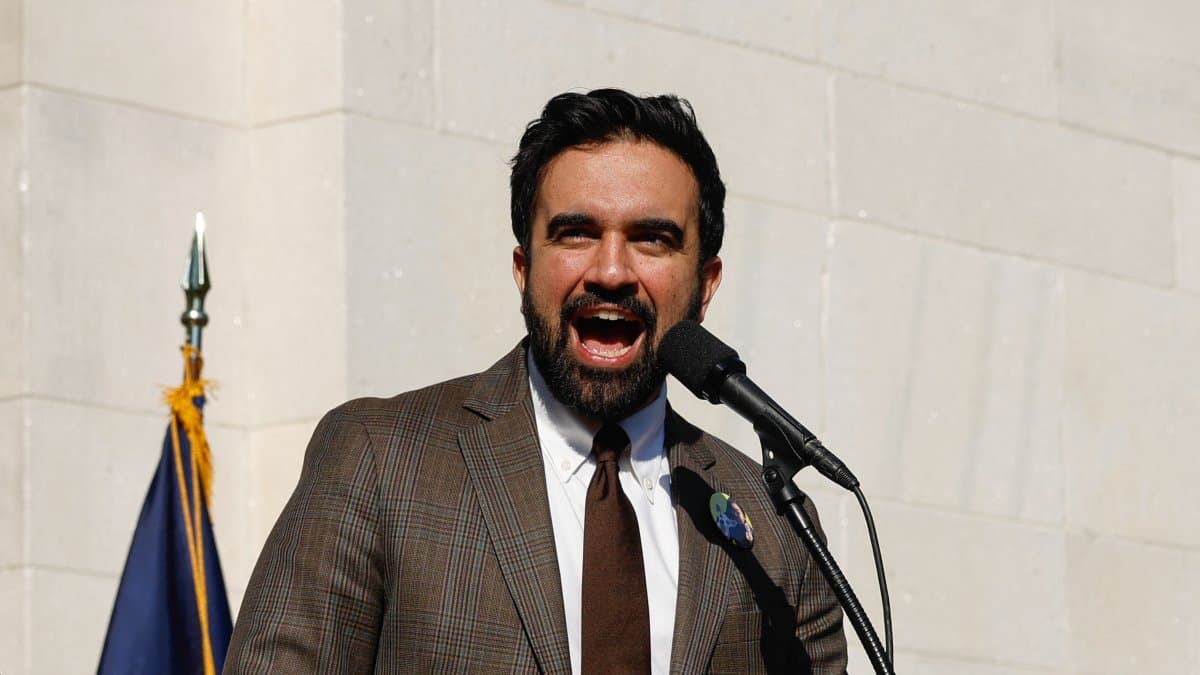

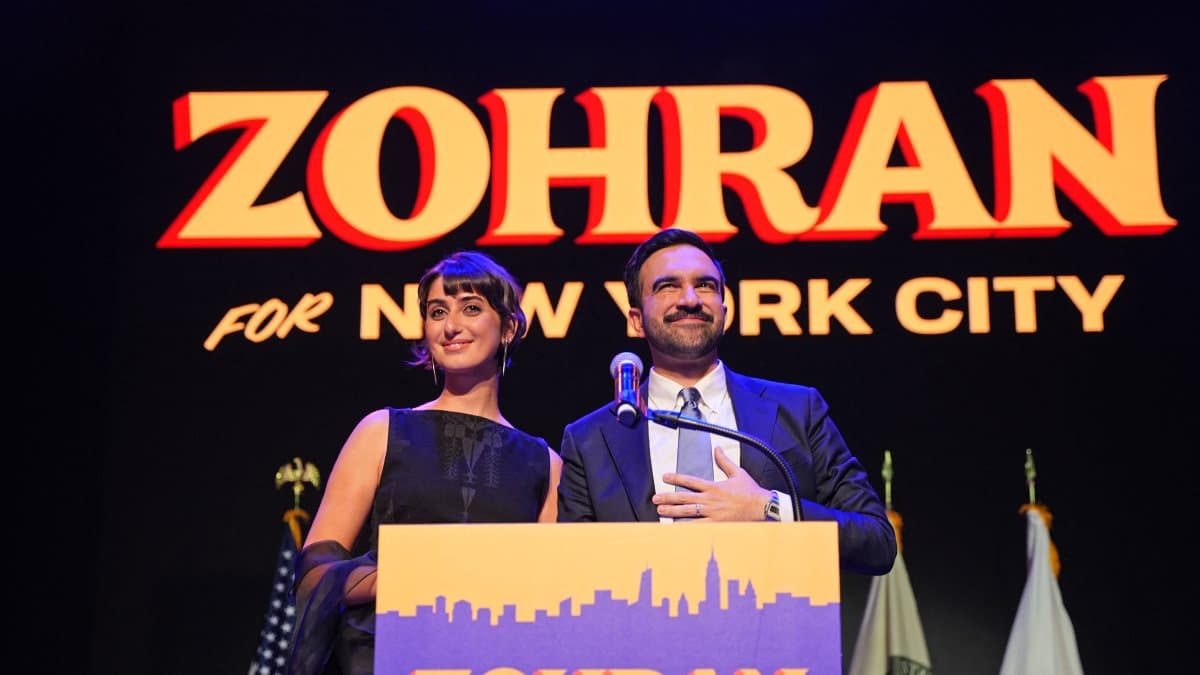
New York Mayor Zohran Mamdani's proposal to allocate $70 million in public funds to create a network of five state-run supermarkets promises, in theory, to ease the financial burden on citizens with fixed 30% discounts on basic food items.
However, the measure has set off alarm bells among economic analysts, lawmakers, and trade associations, who warn of a well-documented historical pattern: state intervention in the food distribution chain does not curb inflation but, in practice, destroys competition and leads to fiscal distortions and food insecurity.
The New York City government defends the proposal by arguing that the cost of the city's basic food basket has risen by 66% over the past decade.
However, the strategy of exempting these establishments from paying rent and property taxes, while setting artificially low prices financed by taxpayers, mirrors (whether intentionally or by mistake, we have yet to discover) the early stages of the planned-economy model implemented by Hugo Chávez's regime in Venezuela since 1999.
The precedent of the Chavista food network: From the promise of fair prices to collapse
As early as 2003, the Venezuelan regime launched Misión Mercal, a state-run food distribution network conceived under the same premise that the Mamdani administration champions today: to exempt the state from the costs of the commercial supply chain to offer basic goods at heavily subsidized prices.
Mercal was followed in 2007 by the Venezuelan Food Production and Distribution Company (PDVAL), and in 2010 by the nationalization and expropriation of private supermarket chains to make way for the government-controlled public Abastos Bicentenario network.
As in the New York proposal, the official Venezuelan argument maintained that private-sector speculation justified a "public option" to set prices that were supposedly ethical.
However, the reality on the ground quickly dashed the initial enthusiasm. By financing the enormous price differences with public funds, state-run establishments undermined the competitiveness of small retailers, neighborhood grocery stores, and independent chains, which were unable to compete against a behemoth with unlimited liquidity and tax immunity.
By 2015, according to measurements by various independent organizations, the overall scarcity rate in Venezuela exceeded 80% for products subject to state control and subsidies.
The public distribution network, eroded by bureaucratic inefficiency, import corruption, and the inability to sustain massive subsidies, ultimately became a rationing system characterized by kilometer-long lines, chronic shortages, and a complete deterioration in the quality of available goods.
The distortion of the retail market and the danger of permanent subsidies
Groups of independent merchants in New York have already expressed fears identical to those experienced in the run-up to the Venezuelan crisis.
The food retail sector traditionally operates with narrow profit margins, ranging from 1% to 3%. By introducing government-run supermarkets in areas such as Hunts Point in the Bronx or East Harlem, where the city covers the fixed infrastructure costs, the administration creates an artificial imbalance.
Experts from the Citizens Budget Commission have pointed out the lack of long-term budgetary sustainability. Maintaining a 30% reduction in the prices of products such as meat, dairy, and vegetables through monthly price freezes requires a permanent subsidy allocation that will increase as overall inflation continues.
When the state subsidy becomes unsustainable, the inevitable consequence is empty store shelves and the prior bankruptcy of the private network that served as an alternative.
Likewise, fiscal alternatives presented by independent analysts suggest that the initial budget of $70 million invested in the construction and subsidization of these units could finance more than one million memberships for wholesale supply in the private sector, achieving economies of scale without the need to create a permanent state bureaucracy or take on direct management of the food inventory.
The Venezuelan experience conclusively demonstrates that state interventionism in price-setting and retail distribution produces the opposite of the desired effect.
The public supermarket plan in New York ignores the lessons of recent economic history, especially the dramatic case of Venezuela, where thousands have starved to death, risking the replacement of free-market dynamics, the only mechanism capable of ensuring efficient supply, with a model of unsustainable subsidies that threatens to undermine the city's commercial network.
Politics
The 'pied-à-terre' tax arrives in New Yorkers' mailboxes: Mamdani confirms start of collection for homes valued over $5 million
Emmanuel Alejandro Rondón
🛠 Do you think there is an error in this article?
Recommendations
LATEST