Treasury hits Sinaloa Cartel hard: New sanctions for 'narco-terrorist fentanyl trafficking'
In a new offensive against drug trafficking, the Treasury Department sanctioned two powerful Sinaloa Cartel networks specializing in the mass shipment of fentanyl to the United States and the laundering of millions of dollars via cryptocurrency.
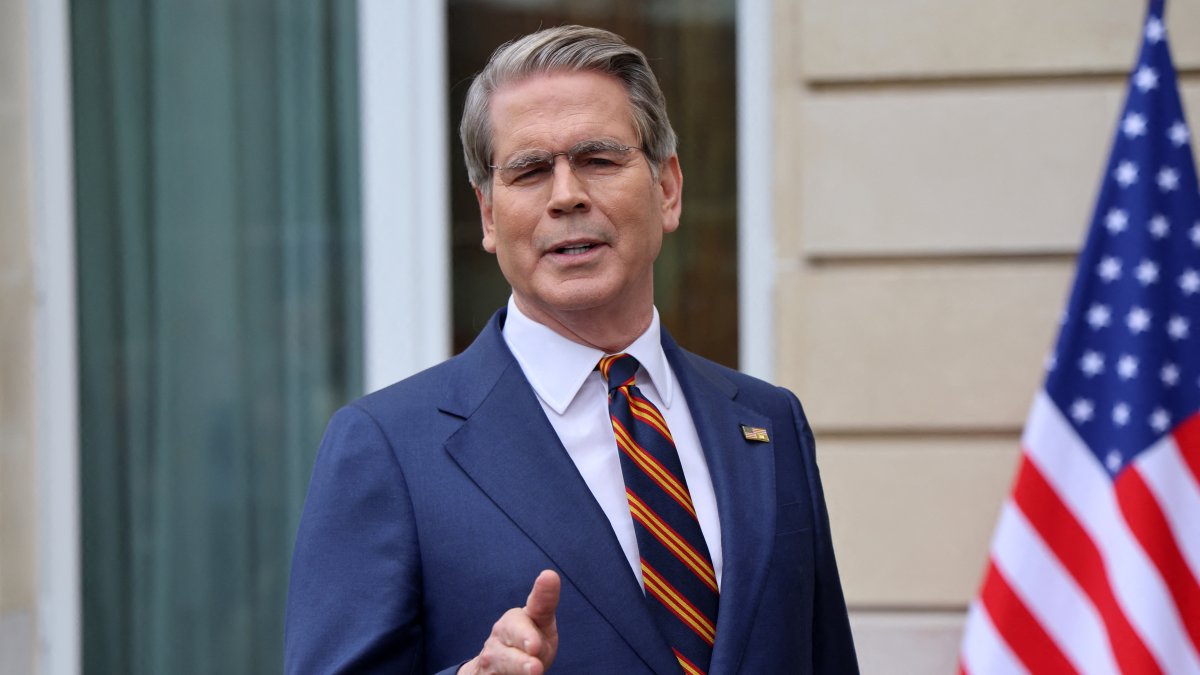
Treasury Secretary Scott Bessent.

The Treasury Department announced Wednesday a new round of sanctions against more than a dozen individuals and entities linked to the Sinaloa Cartel, which it accuses of being part of two major networks involved in fentanyl trafficking and drug money laundering.
The Office of Foreign Assets Control (OFAC) designated two main structures: one led by Armando de Jesús Ojeda Áviles, specialized in laundering dollars from the sale of fentanyl in the United States through cryptocurrency, and another headed by fugitive Jesús González Peñuelas, a veteran drug trafficker involved in the production and distribution of methamphetamines, heroin, cocaine and fentanyl.
"As President Trump has made clear, this Administration will not allow narco-terrorists to flood our borders with poison," said Treasury Secretary Scott Bessent. "TTreasury will continue to target terrorist cartels and their fentanyl trafficking networks to protect our communities and Keep America Safe."
"Chapitos" connection
One of the sanctioned networks operates directly under the faction of "Los Chapitos," the sons of Joaquín "El Chapo" Guzmán. It currently controls much of the fentanyl trafficking into the United States. According to a release from the Treasury, Ojeda Áviles assumed the role of the group's main money launderer following the murder of another key operator. His network collects cash in the United States, converts it into cryptocurrency and sends it back to the cartel in Mexico.
Jesús Alonso Aispuro Félix, a close associate of Armando Ojeda Áviles, acts as the main money broker for this drug trafficking and money laundering network. He is responsible for coordinating massive transfers of drug trafficking profits through cryptocurrency addresses.

Politics
Maximum pressure against Cuba: the United States extends sanctions against the regime's leadership and intelligence apparatus
Andrés Ignacio Henríquez
Another key partner is Rodrigo Alarcón Palomares, who is in charge of collecting money in the United States for the organization. In April 2024, a federal grand jury in Colorado indicted him on three counts of laundering money using cryptocurrency. In addition, Alarcón Palomares has been involved in drug sales on U.S. soil and in October 2023 was arrested in Mexico with weapons and ammunition.
Businessman Alfredo Orozco Romero serves as Ojeda Áviles' security advisor and debt collector. He controls the security company Grupo Especial Mamba Negra and the restaurant Gorditas Chiwas in Chihuahua, through his relatives Amalia Margarita Romero Moreno and Liliana Orozco Romero, who act as his front women.
Second network: González Peñuelas
The other structure is led by Jesús González Peñuelas, a fugitive with a reward of $5 million offered by the DEA. This network has been operating since 2007 and has methamphetamine and heroin distribution cells, as well as fentanyl and cocaine, in several states across the country, including California, Texas, Colorado, Washington, Utah and Nevada. Several of his closest associates were also sanctioned for money laundering and drug trafficking.

Politics
Adani Enterprises to pay $275 million to US for alleged Iran sanctions violations
Carlos Dominguez
According to the Treasury, Castulo Bojórquez Chaparro, a close associate of González Peñuelas, is in charge of the production and distribution of drugs to the U.S. on behalf of the organization. Together with Fredi Ismael García Sandoval, he uses companies in Mexico as a front to launder the profits generated by drug trafficking.
On the other hand, Luis Arnulfo Moreno Zamora and Baltazar Sáenz Aguilar oversee money laundering operations and the movement of cash in large quantities from the U.S. to Mexico. Also, Noé de Jesus Castro Rocha, a long-time associate of González Peñuelas, is involved in trafficking cocaine and heroin into U.S. territory.
Sanctions Implications
The sanctions were implemented under two executive orders: E.O. 14059, directed against drug trafficking, and E.O. 13224, against terrorism. This comes after the Sinaloa Cartel was designated as a Foreign Terrorist Organization (FTO) in February 2025.
This action is part of a coordinated investigation between the Department of Homeland Security (DHS), the DEA, and Mexico's Financial Intelligence Unit.
LATEST