ANALYSIS
Mamdani's first 100 days: Socialist posturing and broken promises in a crumbling New York City
The mayor celebrated his first 100 days with an event that critics called "cringey" and "goofy," but the party masked a far less glitzy record: several campaign promises already broken and a $23 billion new tax package that threatens to hit the middle class he claimed to protect.
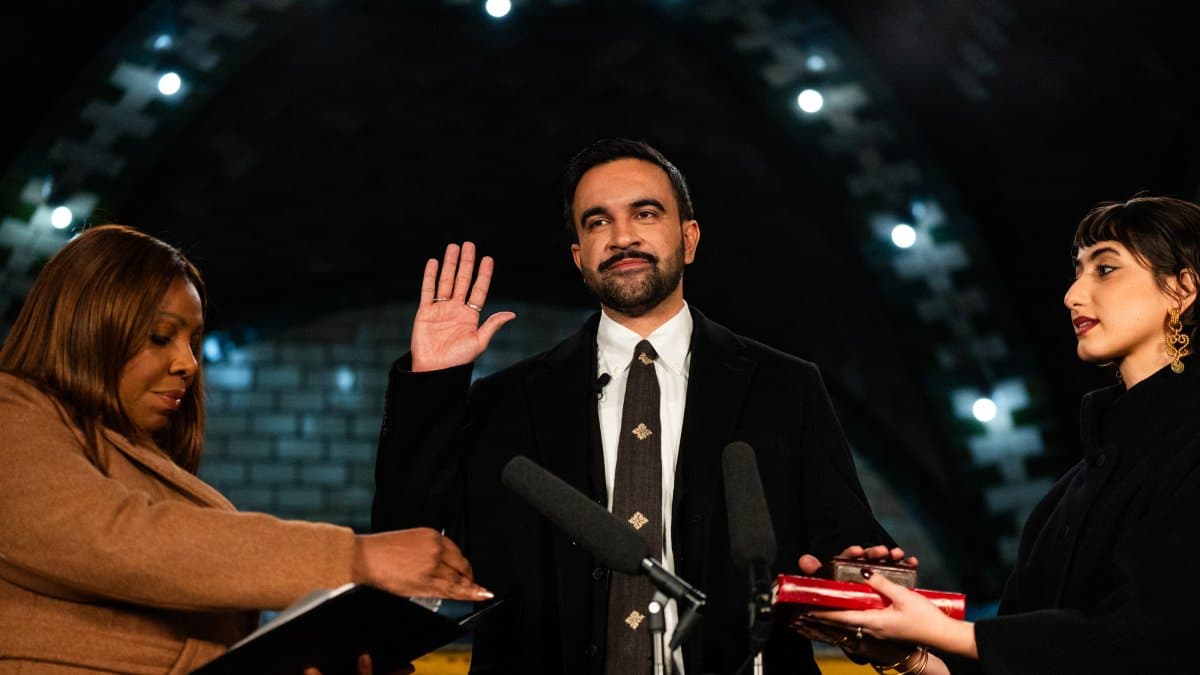

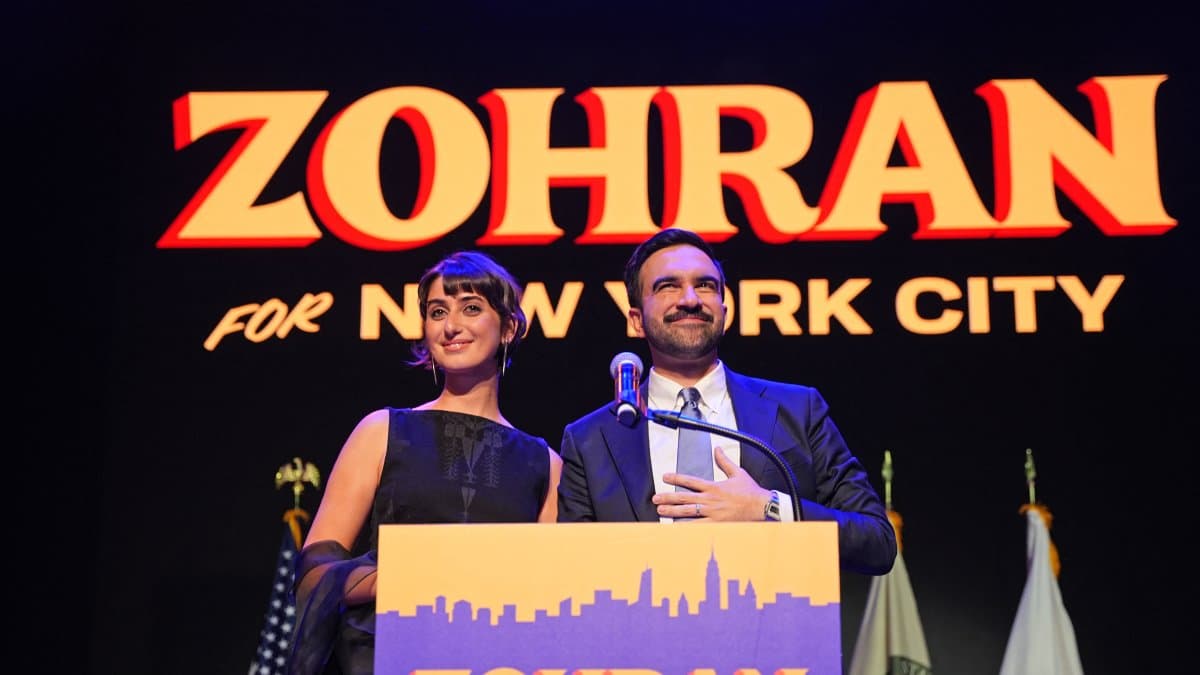
New York Mayor Zohran Mamdani, a self-proclaimed democratic socialist, celebrated his first 100 days in office at the Knockdown Center in Queens, where he presented a "100-day museum" with objects such as a fake Taco Bell bag and cup, a chunk of asphalt from repaired potholes and a miniature podium; an event that some critics described as "cringey" and "goofy," and which many interpreted as a lackadaisical assessment of his tenure.
Mamdani, elected last November with 50.78% of the vote after defeating former New York Governor Andrew Cuomo and the founder of the Guardian Angels, Curtis Sliwa, came to City Hall promising to transform the city into a model of "socialism that works."
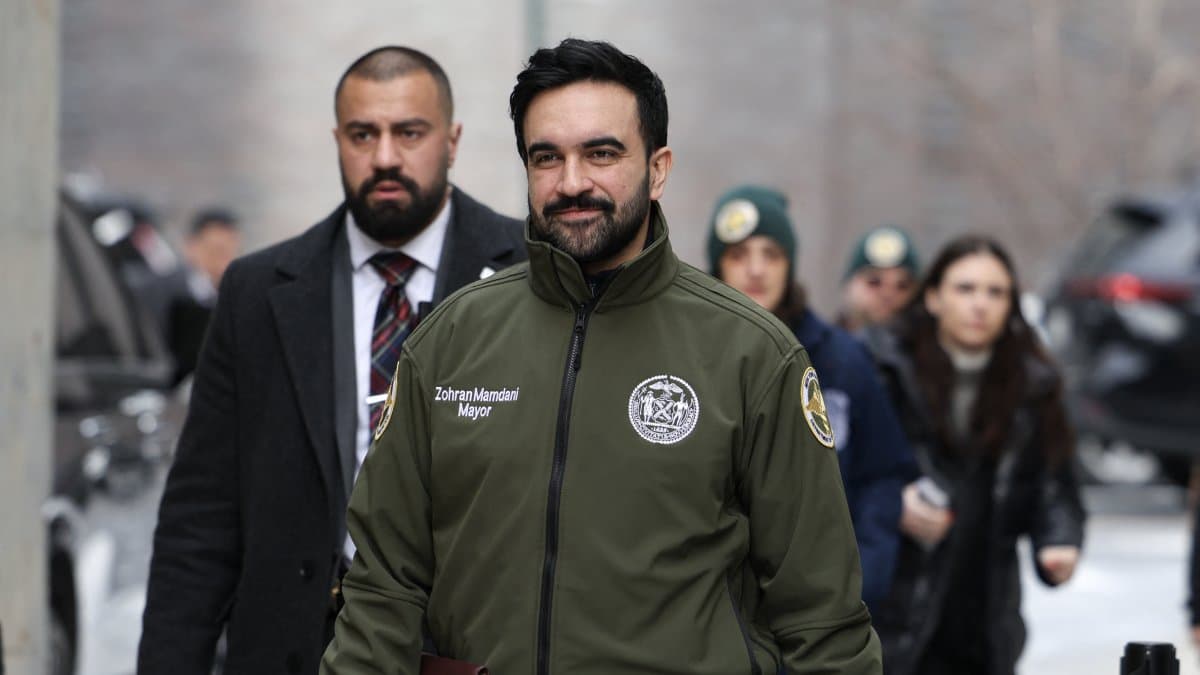
In his speech at the Knockdown Center, the mayor bragged about plugging more than 102,000 potholes, expanding universal child care with an investment of $1.2 billion alongside Gov. Kathy Hochul, returning $9.3 million to workers and consumers, and advancing plans to open municipal grocery stores in every district. He also highlighted a supposed record drop in homicides and the seizure of more than 1,000 guns.
But behind the smiling photos and the hashtag "#100Days," the reality paints a very different picture. According to various reports, Mamdani, who was sworn in with one hand on the Quran on Jan. 1, has already reneged on several key campaign promises.
From "tax the rich" to measures affecting the middle class
Barely past his first 100 days in office, the mayor has already pushed through a package of new taxes that together would add up to at least $23 billion in additional revenue, according to a report from The New York Post. This comes despite the fact that during his campaign he promised that he would only raise taxes on the "rich" and large corporations, without affecting middle and working class New Yorkers.
Mamdani has proposed a 2% income tax increase for New Yorkers earning $1 million or more a year, along with corporate tax hikes (up to 10.8% for the financial sector and 10.62% for other businesses), which would generate about $4.5 billion annually. However, Governor Kathy Hochul has made it clear that this year she does not support increasing the tax burden on the wealthiest sector, largely because she fears it would drive them out of the state.
Accordingly, Mamdani in mid-February presented his $127 billion budget proposal with a blunt ultimatum to Hochul: tax the rich or he will raise property taxes by 9.5%.
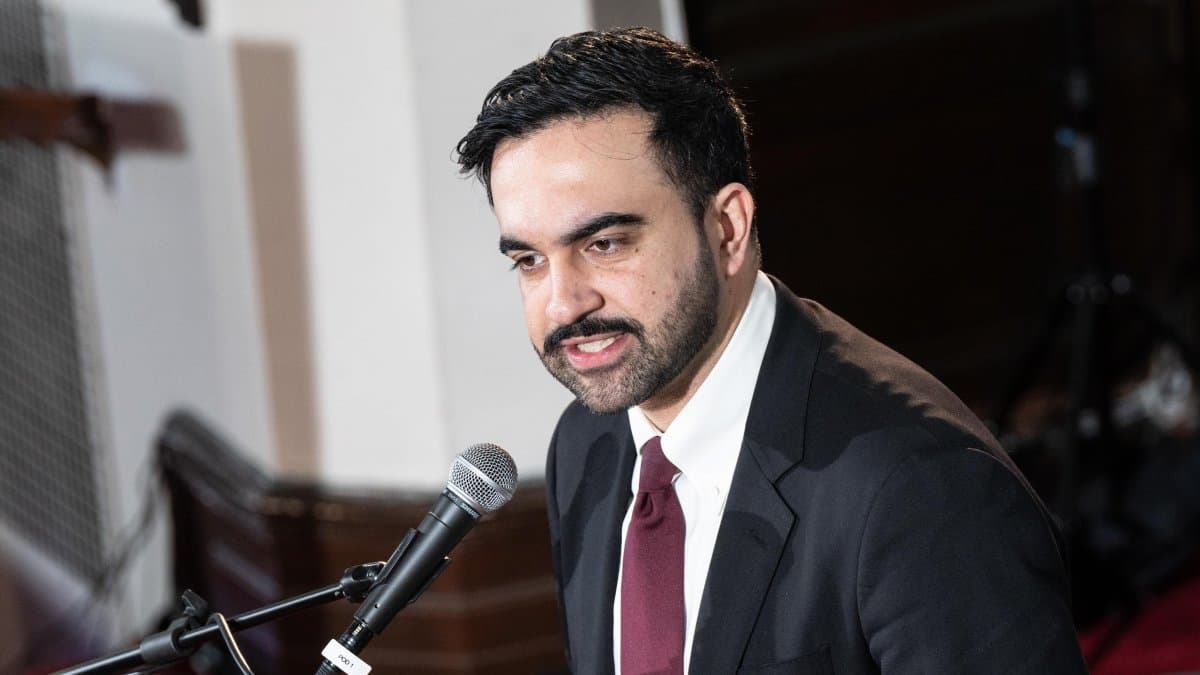
The threat of the across-the-board property tax hike generated a strong backlash, even among Democratic allies on the City Council, forcing the mayor to quietly back down.
City Council President, Julie Menin, called the proposal a "nonstarter" and "unacceptable," stating that "we cannot be raising property taxes 9.5% on the backs of small property owners, small business owners, black and brown communities throughout our city."
These initiatives came in the context of a budget deficit that was initially estimated at $12 billion and then revised to $5.4 billion.
"He’s a very smart leader who seems comfortable in the job, but who has made a host of rookie mistakes that resulted from inexperience—threatening an improbable property tax hike, and needlessly attacking a city council speaker he’ll need," said Andrew Kirtzman, founding partner and CEO of KSX Communications, a public relations firm.
Politics
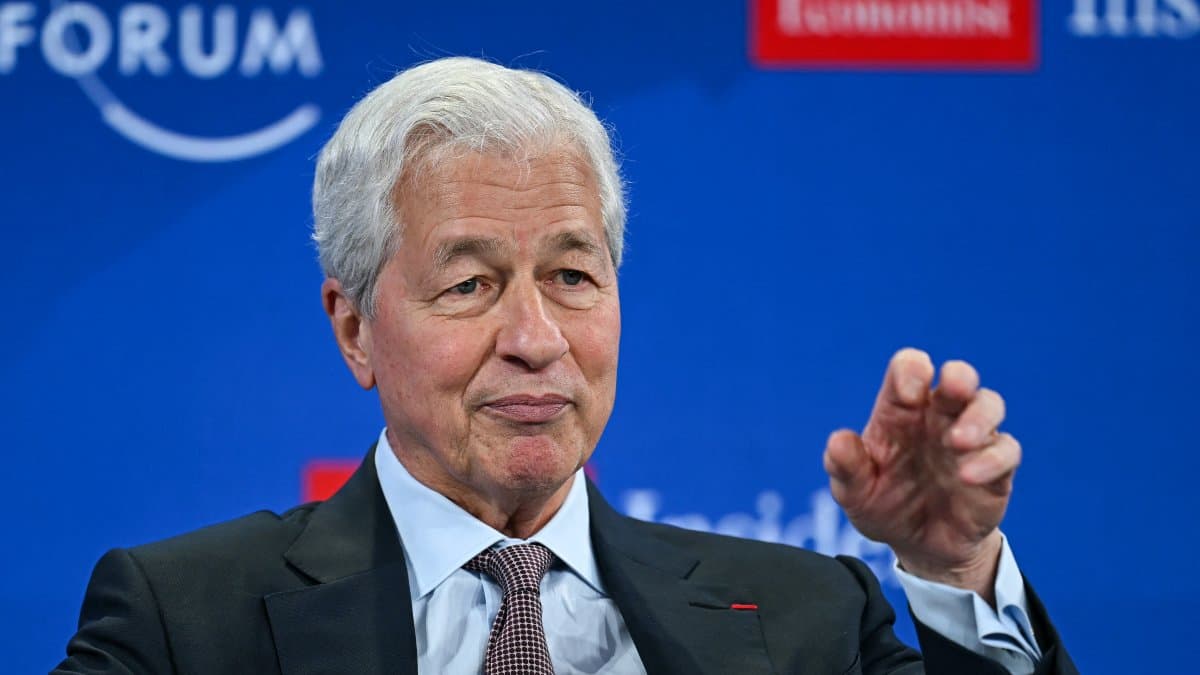
JPMorgan Chase director warns of business exodus in New York due to Mamdani's leftist policies
Williams Perdomo
Mamdani defended his approach, saying, "I do not want to raise property taxes. When faced with this crisis, the question is who should pay these taxes. I believe that it should be the wealthiest New Yorkers, the most profitable corporations. I believe that they can afford to pay a little bit more."
The property tax increase, which is probably doomed to fail, is not the only measure Mamdani has proposed that would hurt the middle class.
According to The New York Post, a list of possible tax hikes that the mayor's City Hall staffers distributed in Albany showed that he wants seeks to drastically lower the inheritance tax exemption threshold, dropping it from the current $7 million limit to just $750,000.
In addition, the proposal would raise the top rate from 16% to 50%.
Socialist promises broken: Rapid adjustment of their main plans
One of the ideas that resonated most in the campaign was the opening of municipal grocery stores in the five boroughs, where the city would cover rent and taxes to sell food at wholesale prices. So far, none have opened. Instead, The New York Post reported that the administration earmarked $70 million for the Economic Development Corporation alone to study locations and plan the project.
Its proposal for a store in East Harlem, which is already owned by the city and scheduled to open next year, would consume nearly half of the $70 million it had set aside for the five-store program as recently as February, according to a report by The New York Times.
On security, Mamdani had promised to create a Department of Community Safety with a budget of $1.1 billion, in which social workers would handle nonviolent 911 calls instead of the police. What was implemented was a much more modest version: an office with only two employees and a budget of approximately $260 million.
Other promises also suffered significant adjustments. The mayor had vowed to dismantle the NYPD's Strategic Response Group, the unit specializing in protests, but it remains operational.
In addition, Mamdani promised to eliminate the NYPD's gang database as a racial profiling tool but has softened his stance and has merely mentioned "criticism" while the police continue to use it. On housing, his campaign promised to drop lawsuits against the expansion of the CityFHEPS voucher program, but his administration filed an appeal to keep one of them active.
On homeless encampments, he strongly criticized his predecessor Eric Adams' choice to dismantle them, but after winter storms caused dozens of deaths, he ordered teams to return for seven consecutive days to try to relocate people before intervening.
🛠 Do you think there is an error in this article?
Recommendations
LATEST