ANALYSIS
House rejects Democratic resolution to curb Trump’s military authority in Iran
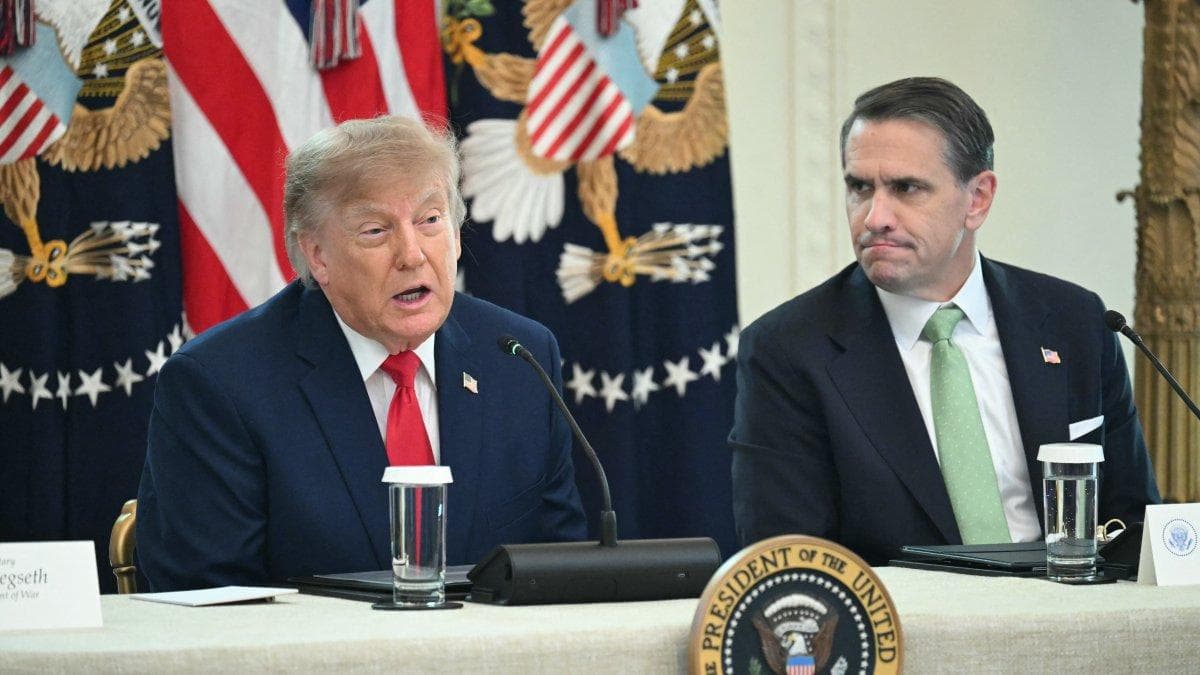
The defeat of the resolution, which follows similar rejections in the Senate by 52-47 in Wednesday's vote, temporarily strengthens Trump's ability to continue military operations without new legislative approval.
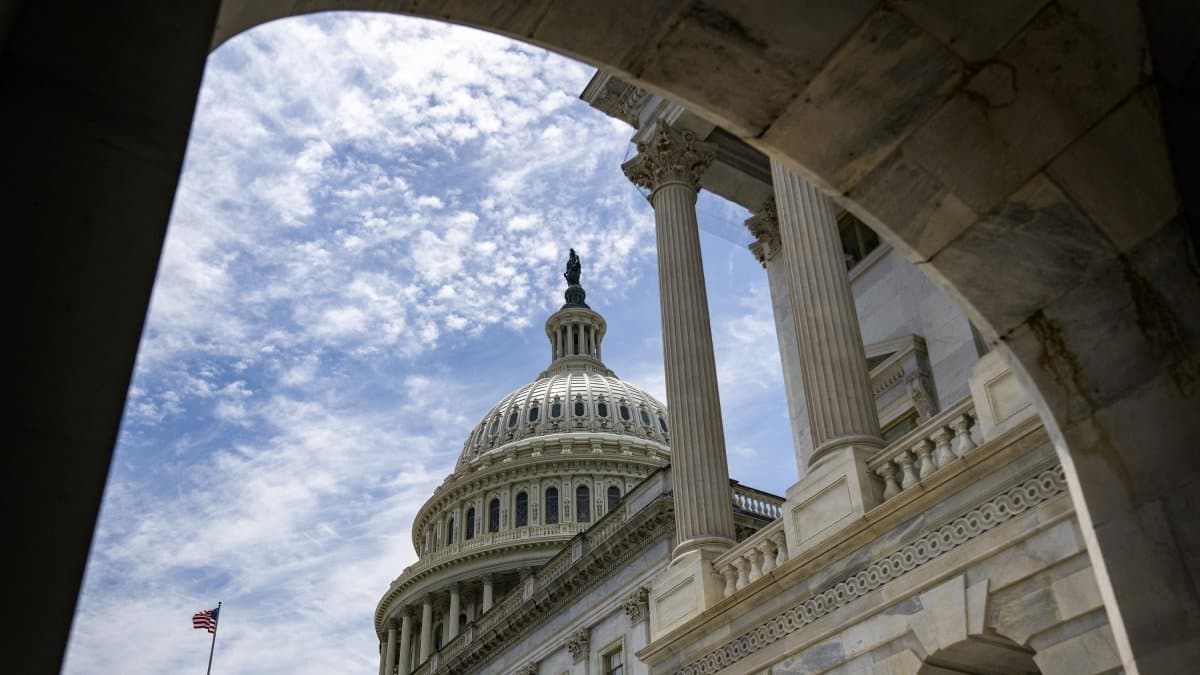

The House of Representatives rejected Thursday, by a razor-thin margin of 213 votes for and 214 against, the latest war powers resolution introduced by Democrats to limit President Trump's ability to continue military operations against the Iranian regime without explicit authorization from Congress.
The measure, which invoked the War Powers Resolution of 1973, would have forced the Executive to withdraw the Army from hostilities in Iran unless the Legislature formally approved its continuation.

The resolution was pushed primarily by Rep. Gregory Meeks (D-NY), top Democrat on the House Foreign Affairs Committee, and had the unusual support of Republican Thomas Massie (KY), one of the few majority party lawmakers to back the initiative.
The defeat of the resolution, which follows similar rejections in the Senate by 52-47 in Wednesday's vote, temporarily strengthens Trump's ability to continue military operations without new legislative approval.
Details and significant changes in the vote
On the Republican side, only Massie voted in favor. Rep. Warren Davidson (R-Ohio) voted "present," having supported a similar measure the previous month, and Republican Nancy Mace did not participate in the vote. The House, controlled by a Republican majority, thus rejected the initiative, which if it had prospered would almost certainly have faced a presidential veto.

On the Democratic side, Thursday's vote revealed greater unity compared with previous attempts. Three Democrats who had voted against it in March, Henry Cuellar (TX), Greg Landsman (Ohio) and Juan Vargas (CA), switched positions and supported the measure. Only Democrat Jared Golden (ME) voted against it, by arguing that the resolution could weaken the US negotiating position in the midst of talks.
"I believe we must maintain a strong negotiation position over Iran’s nuclear program, freedom of movement in the international waters at the Strait of Hormuz, and how to achieve a durable peace between our two nations. At this moment, a resolution like this would weaken our hand."
The limits of executive power in times of conflict
Under the War Powers Act of 1973, Congress must formally declare war or authorize the use of military force within 60 days from the outbreak of hostilities, a deadline that expires at the end of this month. Although the law allows for a 30-day extension, lawmakers from both parties are demanding a clearer strategy from the government to end the conflict.
However, House Armed Services Committee chairman, Mike Rogers (R-Ala), said to The Epoch Times that 60 days will not change things. For his part, Rep. Chuck Fleischmann (R-Tenn) stated, "I think support is very strong for what President Trump and the administration and our troops are doing to try to thwart what Iran has done for 47 years, and what they continue to try to do."
🛠 Do you think there is an error in this article?
Recommendations





LATEST