ANALYSIS
Why Greenland is a 'national security' issue
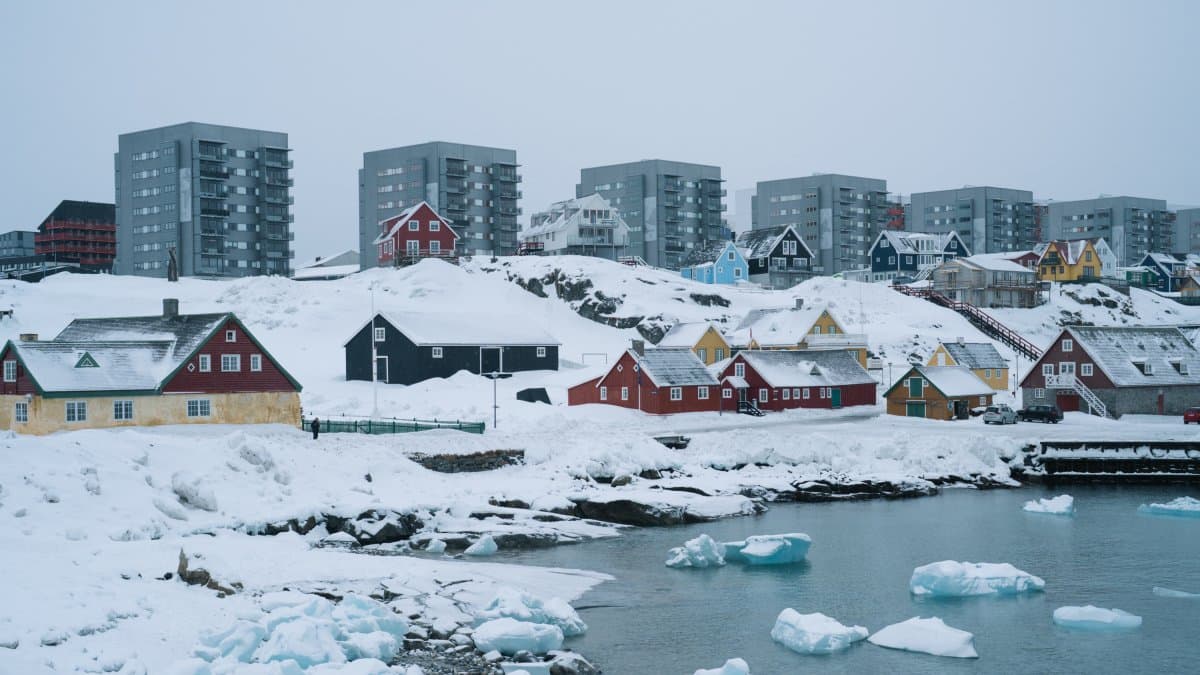
Greenland's strategic position sits on the so-called GIUK gap, a maritime corridor between the island, Iceland and the United Kingdom that is essential for the transit of submarines, ships and traffic between the Arctic and the open Atlantic. As a result, Greenland has become a critical point for naval and air safety.

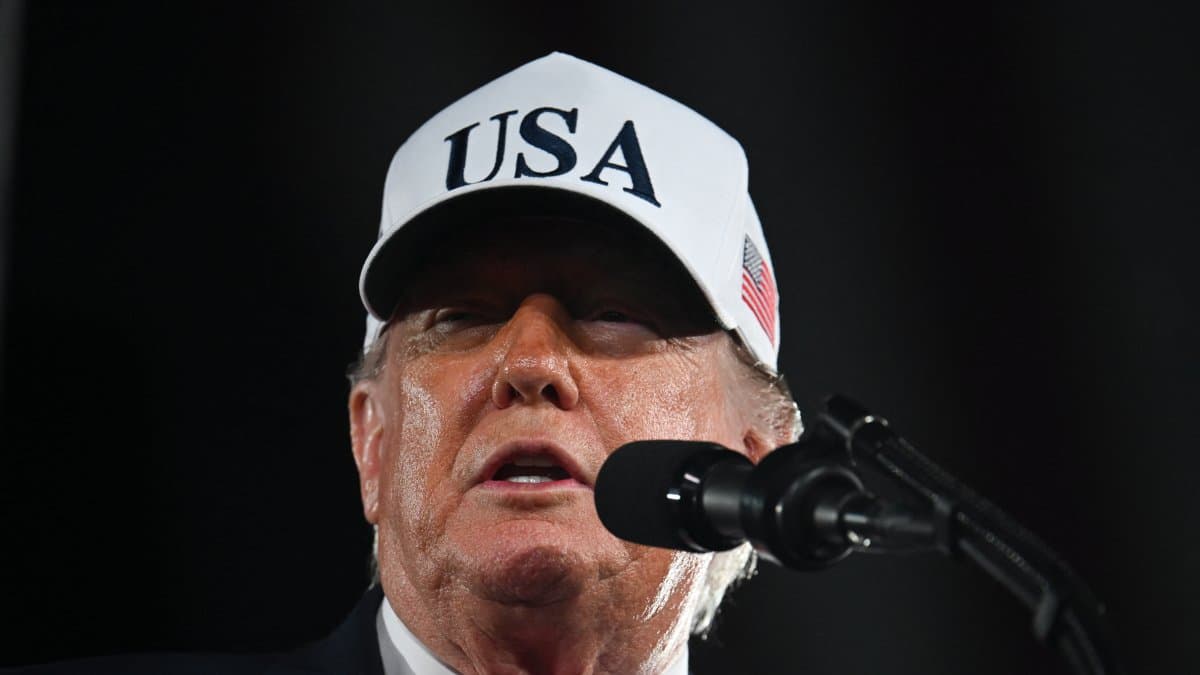
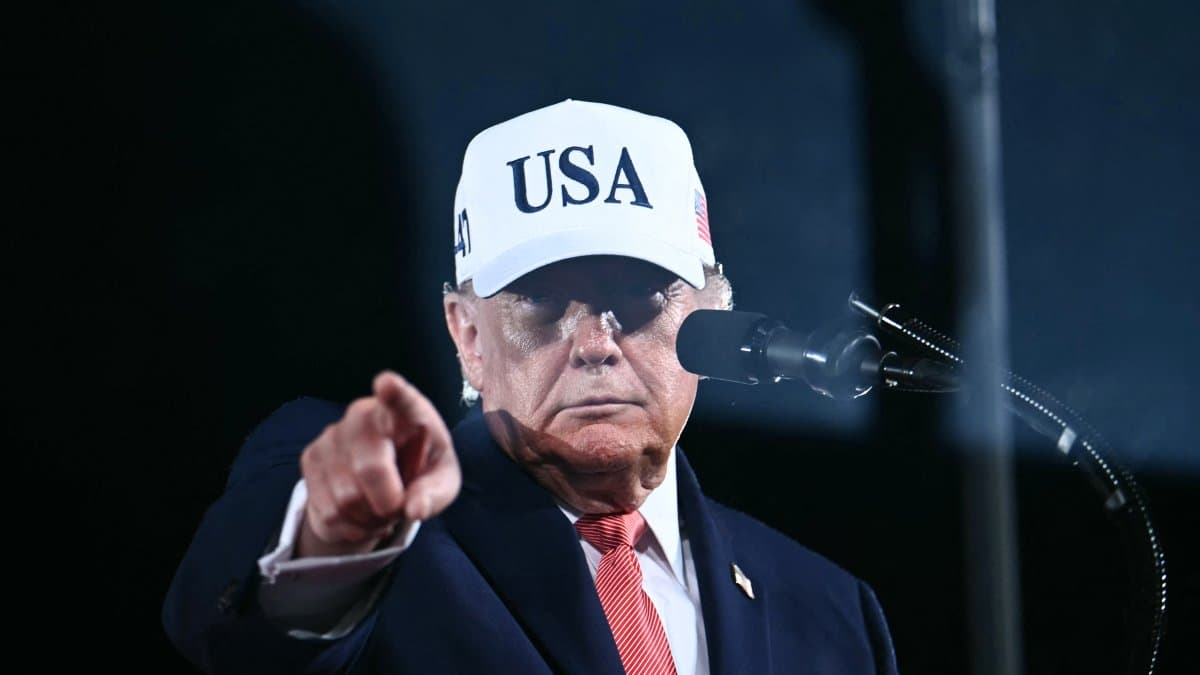
Since his first term, President Trump has maintained that Greenland is vital to the national security of the U.S. In his second term, as with tariffs, he has reiterated that stance through forceful public statements and diplomatic pressure.
"We need Greenland from a national security situation. It's so strategic," the president reiterated recently to reporters aboard Air Force One. "Right now, Greenland is covered with Russian and Chinese ships all over the place," he exclaimed.
Likewise, Washington this week did not rule out the possibility of a military intervention on the island as one of the "options" available to the Trump administration to take control.
White House Press Secretary Karoline Leavitt said two weeks ago that "the president and his team are discussing a range of options to pursue this important foreign policy goal, and of course, utilizing the U.S. military is always an option at the commander in chief’s disposal."
Greenland's strategic and military value
Greenland, the world's largest island, It is located in North America, between the Arctic Ocean and the North Atlantic Ocean, and occupies a strategic position between North America and Europe, with whom it has strong historical, cultural and political ties due to its relationship with Denmark.
Greenland's strategic position lies on the so-called GIUK gap, a maritime corridor between the island, Iceland and the United Kingdom that is essential for the transit of submarines, ships and traffic between the Arctic and the open Atlantic. As such, Greenland has become a critical point for naval and aviation security.
Donald Trump has focused his interest in the island because of its abundant natural resources, but mostly out of concern over the growing Russian military presence in the area and China in the Arctic.
World
Marco Rubio revealed to congressmen and senators that Trump plans to buy Greenland
Luis Francisco Orozco
Justina Budginaite-Froehly, a nonresident senior research fellow at the Atlantic Council, explained to The New York Post that the "Greenland, Iceland and U.K. gap" constitutes a pathway through which Russia can launch nuclear submarines into the waters near Europe or to United States from its northernmost ports.
"The submarines can enter the Atlantic. That’s a huge danger for the U.S., for NATO and for Europe," he warned.
"Russia is very interested in building the Sea Route," Budginaite-Froehly told The New York Post. "And China is participating in this. It would shorten the shipping time between Europe and Asia."
"Russia is, of course, only talking about civil shipping and trade. But there is no doubt that it is also about more. Very quickly, it can become military."
Russia strengthens its presence on the Kola Peninsula
NATO warned in November of increased Russian military activity in the Arctic, driven by the creation of new strategic facilities. It also warned of China's increased involvement in the area, in coordination with the Kremlin, in a territory it considers already a "new frontier" between rival blocs.
"We are seeing a growing presence from Russia. Russia is building infrastructure on its Kola Peninsula [next to Finland]. Russian submarines, as well as Russian aircraft and bombers, are flying over the Arctic," said Admiral Giuseppe Cavo Dragone, chairman of NATO's Military Committee. According to the official, China has positioned itself as an ally of Moscow to increase its presence in the region.
In a interview with The Telegraph, Tore Sandvik, Norway's minister of defense, stated in late October that Oslo had detected an increase in weapons development on the Kola Peninsula, where the Russians have their prized Northern Fleet and part of their nuclear arsenal.
Politics
Trump appoints special envoy for Greenland, provoking reaction from Denmark and EU
Diane Hernández
Russia is stockpiling nuclear weapons and attack submarines in the Arctic Circle as it prepares for war with NATO, Sandvik warned. He also said Vladimir Putin was trying to obtain full naval control of the Arctic region so he could block NATO allies' access to two key sea lanes that would help resupply Western forces in wartime.
"Russia is building up on the Kola peninsula ... where one of the largest arsenals of nuclear warheads in the world is located. They [the nuclear weapons] are not only pointed towards Norway, but towards the U.K. and over the pole towards Canada and the U.S.," Sandvik told The Telegraph.
"We are the eyes and ears of NATO in this area, and we see that they’re testing new weapons, for example hypersonic missiles, and they are testing nuclear-driven torpedoes and nuclear warheads," he added.
Greenland: A national security priority
Seven allied nations—Denmark, Canada, Finland, Iceland, Norway, Sweden, Norway and the United States—have territory in the Arctic region, and NATO has increased its presence in the area in recent months.
However, because of the threat of Russia and given that the United States already operates strategic facilities in Greenland that bolster continental defense and space surveillance, the Trump administration considers the island a security priority and not an isolated territory.
World
Trump Administration may fund rare earth mine in Greenland to reduce reliance on China
Luis Francisco Orozco
For example, Pituffik Space Base, built during the summers of 1951 and 1952, is the most important American facility on the island. It functions year-round as the Department of Defense's northern outpost and houses runways, hangars and logistics services essential to Arctic operations.
According to Space.com, Pituffik is home to the 12th Space Warning Squadron (12 SWS), responsible for key missions such as early missile warning and space environment surveillance. To fulfill these functions, the unit continuously operates a phased-array, solid-state, dual-sided radar. According to the Space Force, the base's strategic position is an essential element in maintaining "space superiority."
According to Washington's strategic vision, exercising full control over Greenland would allow the United States to strengthen its monitoring system for missiles from the Russian Arctic and to have a key platform for the deployment of future generations of interceptors.
Vast natural resources
The island also possesses vast deposits of metals and minerals, including uranium and graphite, critical to the manufacture of high-tech products such as cell phones, computers, radar, sonar, X-ray tubes, military guidance systems and high-strength magnets.
Politics
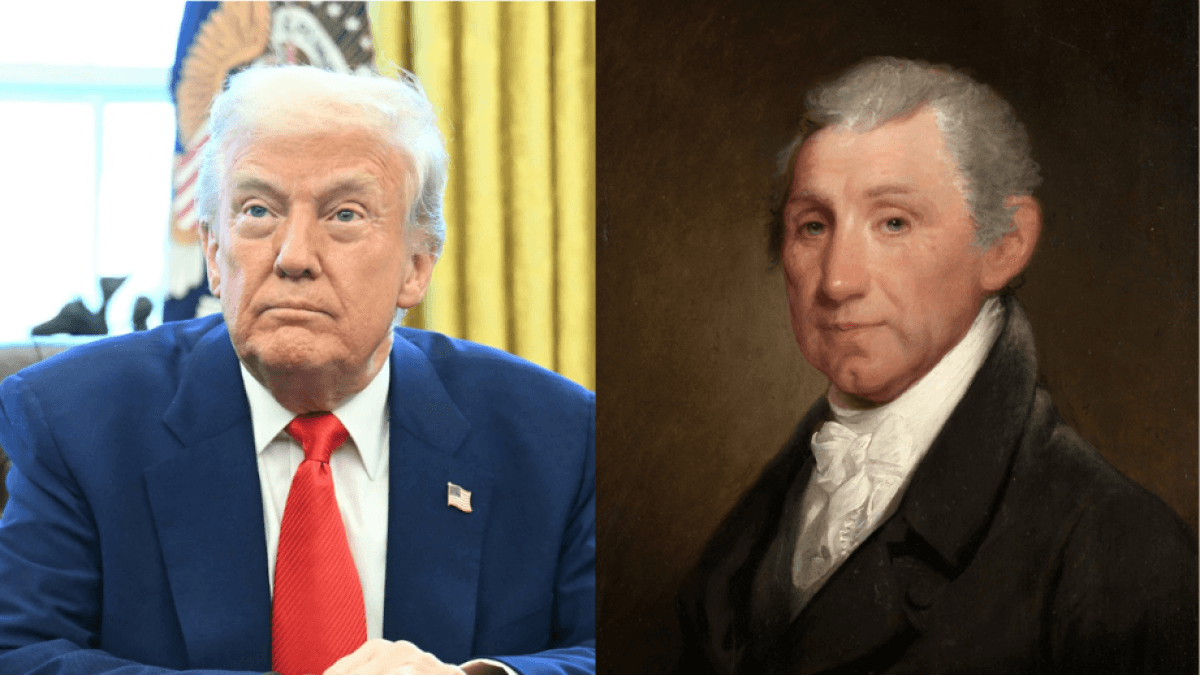
Monroe Doctrine: Trump revitalizes one of the most defining concepts in American history
Carlos Dominguez
Large deposits of these rare earth minerals are now found in China, which has recently restricted access to them as a pressure mechanism in its tariff dispute with Washington. For U.S. national security, it would clearly be beneficial to stop relying on China in this area.
Moreover, according to an assessment by the U.S. Geological Survey, the East Greenland Rift Basins Province contains approximately (average value) the equivalent of 31.4 billion barrels of oil in the form of oil, natural gas and liquid natural gas.
A military pathway to shield national security
NATO is trying to remain cautious and on the sidelines. In the eyes of NATO Secretary General Mark Rutte, it is unimaginable that force would be used by the United States.
According to the head of the alliance, Washington and Denmark share the same goal: protecting Arctic security against the ambitions of Russia and China, so there is no need for the U.S. to annex territory where there is already a U.S. military presence.
"The Danes are totally fine if the U.S. would have a bigger presence than they have now," Rutte said.
By contrast, Denmark, which includes Greenland, is part of NATO, and Danish Prime Minister Mette Frederiksen warned recently that a U.S. attack on another NATO member would be the end of "everything."
🛠 Do you think there is an error in this article?
Recommendations






LATEST