ANALYSIS
Unusual: Ramaswamy quits social media, says it's "a trap for politicians"
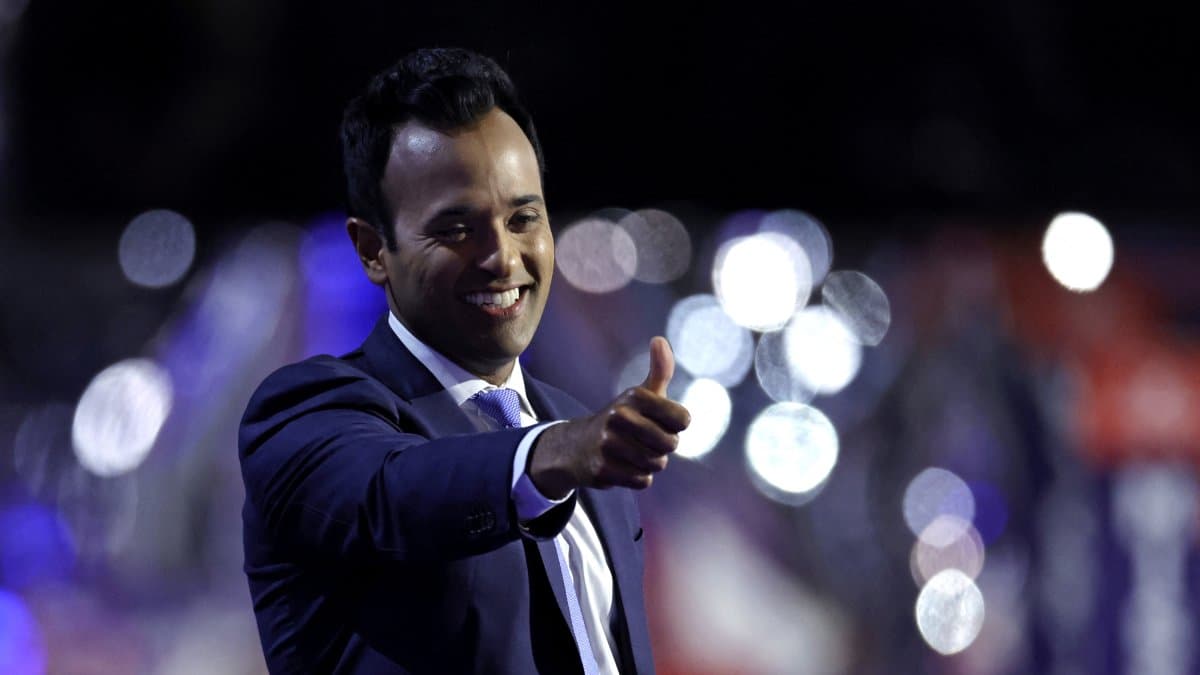
According to Vivek Ramaswamy, candidate for Ohio governor, there is a fine line between using the internet to spread your message and unwittingly allowing constant feedback to modify it. "That's not using social media; that's letting social media use you."

Social networks have transformed communication, but they also generate adverse effects that are now widely documented. Evidence shows that social networks not only inform: they modulate our emotional state continually, even when we are not fully aware of it.
In addition, there is the problem of the echo chambers, where people are exposed almost exclusively to ideas, opinions and content that reinforce their previous beliefs, while information that contradicts them is filtered out or excluded.
To combat this phenomenon, Vivek Ramaswamy, Republican candidate for governor of Ohio, recently published an article in The Wall Street Journal in which he states that his New Year's resolution for 2026 is to stop using Instagram and X, as he believes these platforms prevent him from being a better leader.
Vivek Ramaswamy: "I will devote the time I now have to listening to more voters in real Ohio."
In his article, Ramaswamy says he has already removed both apps from his cell phone to prevent the distorted dynamics of the networks full of hostile comments, extremist messages, bots and manipulated content, from creating a misperception for him about the real concerns of voters.
"I will devote the time I now have to listening to more voters in real Ohio, crafting more policies to make our state more affordable and being more present with my family. I anticipate that quitting social media will make me a better leader and a happier man," the Republican declares.
Politics
'He will never let you down!': Trump again endorses Vivek Ramaswamy for Ohio governor
Luis Francisco Orozco
According to Ramaswamy, there is a fine line between using the Internet to spread your message and unwittingly allowing constant Internet feedback to modify it. "That's not using social media; that's letting social media use you," the Ohio gubernatorial candidate asserts.
On the other hand, the Republican claims that last year he also witnessed a surge of racial insults on social networks. However, he claims that same year he toured the state's 88 counties and talked to tens of thousands of voters without hearing not a single expression of bigotry from them in all that time.
The influence of foreign actors
Ramaswamy explains that when those in power confuse online comments with real-world consensus, they make decisions based on a distorted picture of what citizens really want, and this is compounded by the issue of politicians today being influenced by online opinions fabricated by foreign actors and bots that are not human.
The Republican cites as an example a recent study revealing that interaction with the X account of the now well-known nationalist Nick Fuentes shows signs of being "unusually fast, unusually concentrated and unusually foreign in origin."

According to Ramaswamy, another investigation showed that hundreds of bots pushed the pro-Democrat #BlueCrew hashtag, amplifying false claims that the attempted assassination of President Trump in Butler had been false.
"Politicians who think they're getting signals from American citizens through social media are often wrong," the GOP says.
The real conversations are emulating those of X
Ramaswamy also asserts that the distorted projection of reality offered by social networks is reinforced within modern government. According to the Republican candidate, Twitter was created to mimic real-life conversations, but in young political circles, real-life conversations mimic those on the social network.
The Republican cites as an example the perspective of political commentator Richard Hanania, who last year pointed out that young political consultants now compete to defy political correctness, trying to outdo each other with increasingly extreme positions on race, sex and who were the "good guys" in the World War II.
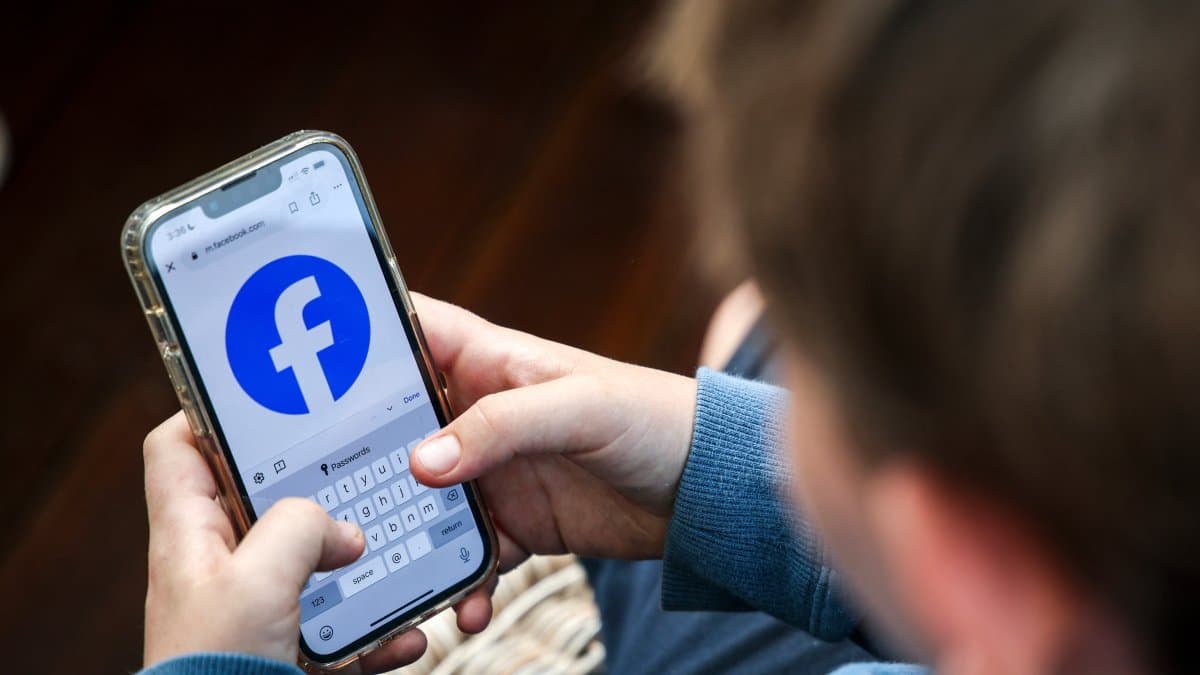
According to the Ohio gubernatorial candidate, if you've ever cringed at a social media post from an official government account, remember that whoever wrote it is usually a junior staffer who takes most of his or her references from the Internet. "Over time, the state itself starts to sound like X," Ramaswamy mentioned.
The Republican concludes the article by stating that he is running the experiment for now, and invites fellow Republicans to join, as abandoning social media perhaps will be the factor that helps them achieve victories in 2026.
🛠 Do you think there is an error in this article?
Recommendations



LATEST