Trump's State of the Union drew 32.6 million, surpassing the audience for Biden's last speech
The figure does not include those who followed the live webcast, watched excerpts on social networks or accessed the full speech after its conclusion.
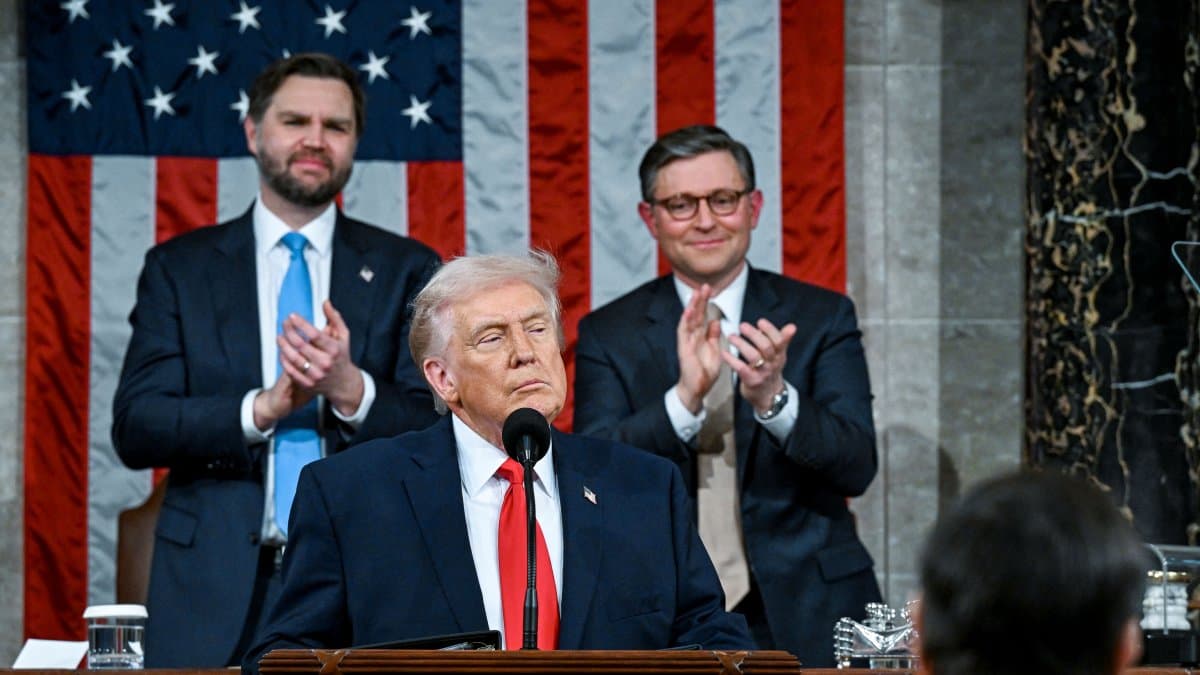

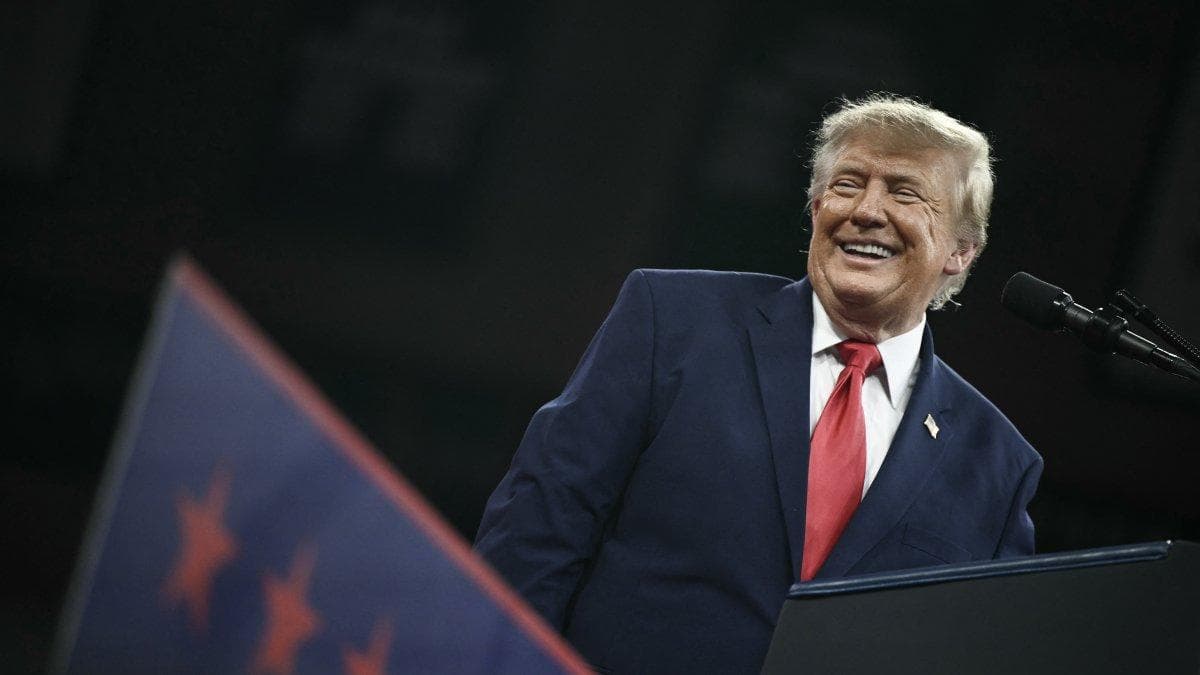
Figures released on Thursday by Nielsen Media Research revealed that 32.6 million people watched the State of the Union address by President Donald Trump.
The figure is down from the nearly 36 million who watched his first message before Congress in the current term last year. However, it slightly exceeds the 32.2 million recorded by then-President Joe Biden's last address to a joint session of Congress before leaving the White House.
Historical audience comparison
In historical perspective, the figure falls short of Trump's first speech in 2017, which drew more than 47 million viewers and ranked among the most-watched in the modern television era. Still, that record fell short of the mark achieved in 2009 by then-President Barack Obama, whose address to Congress drew approximately 52 million viewers.
The figures released by Nielsen correspond exclusively to traditional television consumption. They do not include those who followed the live webcast, watched excerpts on social media or accessed the full speech after its conclusion.
In recent years, several of the main networks have experienced declines in audience, a phenomenon associated with increases in cable service disconnections and a shift by consumers to streaming platforms and social media for information and commentary on current affairs.
Politics
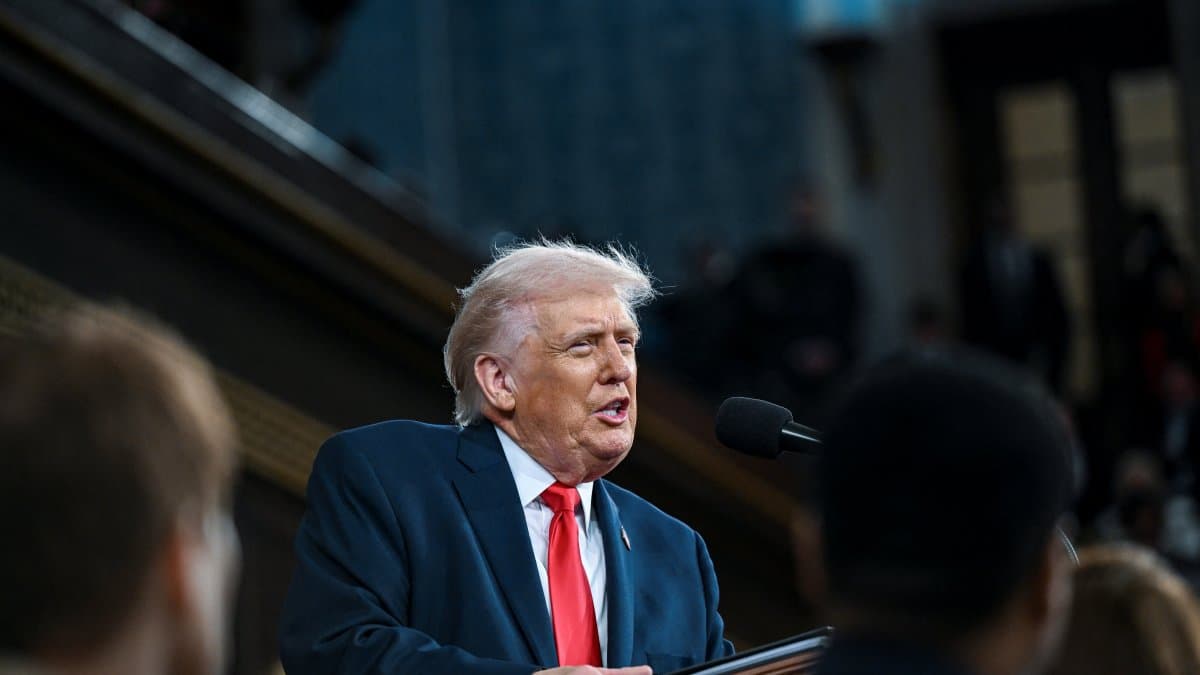
Trump proclaims "America's golden era" in historic State of the Union Address
Luis Francisco Orozco
The longest speech on record
Tuesday's speech also stood out for its length. At nearly two hours, it became the longest State of the Union address on record. During that time, the president addressed issues including immigration, the economy, foreign policy and healthcare.
During the course of the message, Trump questioned Democratic lawmakers for not supporting his immigration agenda and directed comments toward former House Speaker Nancy Pelosi. The session reflected partisan divisions: while Republican allies expressed support, some Democrats left the chamber before the speech concluded.
Prime time recognition
🛠 Do you think there is an error in this article?
Recommendations
LATEST