






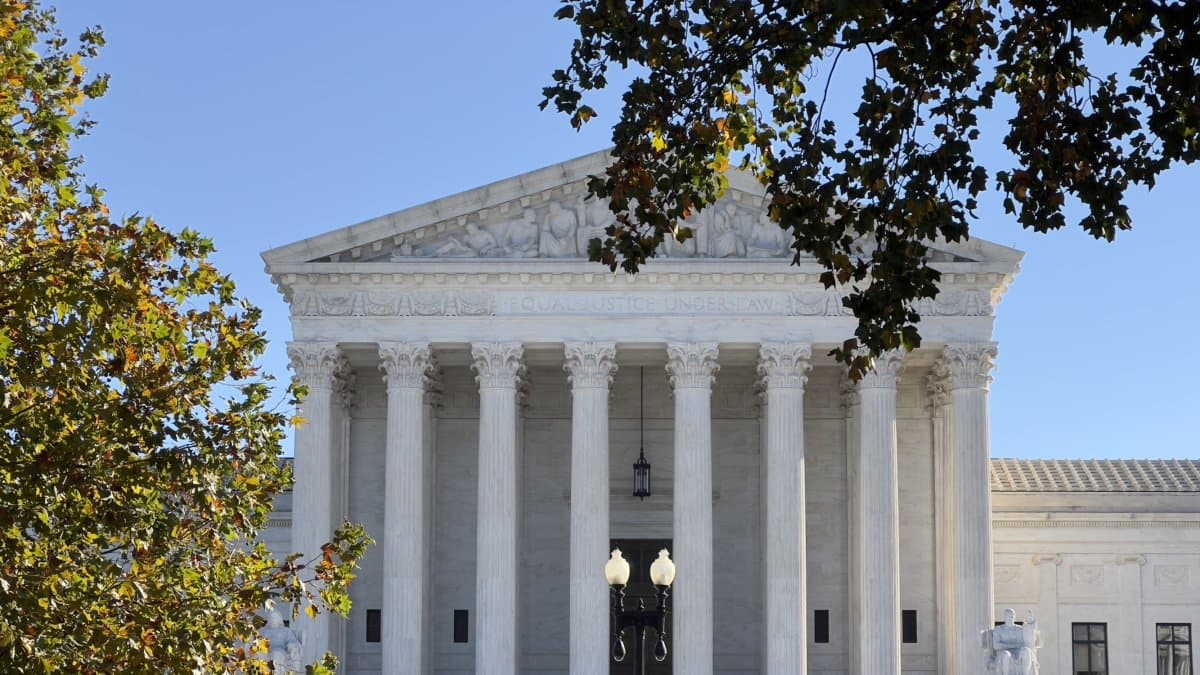
The Supreme Court agreed to hear a key case that could define the future of vote-by-mail voting in more than 15 states
In Watson v. Republican National Committee, the justices will need to determine the scope of the phrase "election day," given that in many states it is permissible to count ballots postmarked and mailed before Election Day and received a few days later.

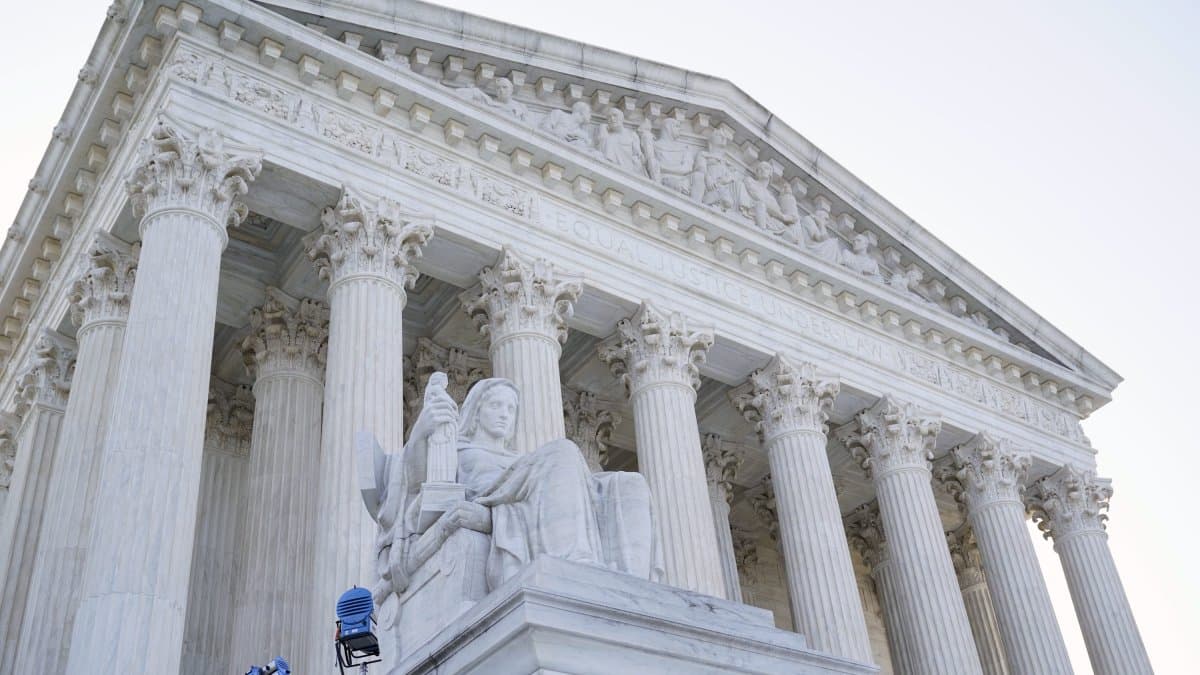
The Supreme Court agreed to hear a case that could define future elections in multiple jurisdictions. Specifically, it has to do with the legality of counting mail-in ballots arriving after Election Day, a practice that currently occurs in at least 18 states. Among them are Pennsylvania, California, Ohio and Illinois.
In this case, Watson v. Republican National Committee, the justices will have to determine the scope of the phrase "election day," given that in many states it is permissible to count ballots postmarked and mailed before Election Day and received a few days later. The controversy stems from Mississippi, where the law allows them to be received up to five business days later.
"The Republican National Committee challenged Mississippi’s mail-in ballot rules, arguing that Congress had intended that voting take place on a single Election Day and that allowing ballots to arrive days later and still be counted undermined election integrity and the public’s trust in the vote," they explained from The New York Times.
Just the News
Supreme Court rejects case to overturn ruling allowing same-sex marriage nationwide
Just The News
On the other side, Mississippi argued that Congress only set a deadline for casting ballots, not receiving them. The last name Watson in this case has to do with the local secretary of state, Michael Watson.
As for the chronology of the case, it began in 2024 when the Republican National Committee, the Mississippi Republican Party, the Libertarian Party of Mississippi and a local voter challenged through lawsuits the state's vote-by-mail ballot law. Their argument was that federal Election Day laws require that ballots be received by state officials before Election Day.
BREAKING: The Supreme Court will take up the case of Watson v. Republican National Committee-- which will decide if mail-in ballots received after Election Day can be counted.
At least 18 states allow this-- including Nevada, Pennsylvania, and North Carolina. pic.twitter.com/bpZXO4cTkU
Initially, a federal judge ruled in favor of the state, but their decision was reversed by the Fifth Circuit Court of Appeals, which subsequently ruled in favor of the RNC. In this context, the Supreme Court decided to take up a case that could have implications for several states.
"For more than 150 years after the enactment of the first election-day statute, States complied with Congress’ mandate by ensuring that the ballot box closed on the federally mandated election day. With rare outliers, the States mandated that ballots must be received by election officials by election day. But recently, an increasing number of States — including Mississippi — have deviated from that practice by permitting at least some ballots to be received after election day," the RNC wrote in its brief to the nation's highest court.
Currently, there are many states where it is legal for polling places to receive ballots cast before Election Day long after. Some of the most emblematic cases are Illinois (up to fourteen days later), California (up to seven business days thereafter) and New York (up to six business days thereafter).
🛠 Do you think there is an error in this article?
Recommendations



LATEST