A ballroom and a military fortress: All the details about Trump's White House project
The exterior structure of the complex has a projected budget of $300 million to $400 million.
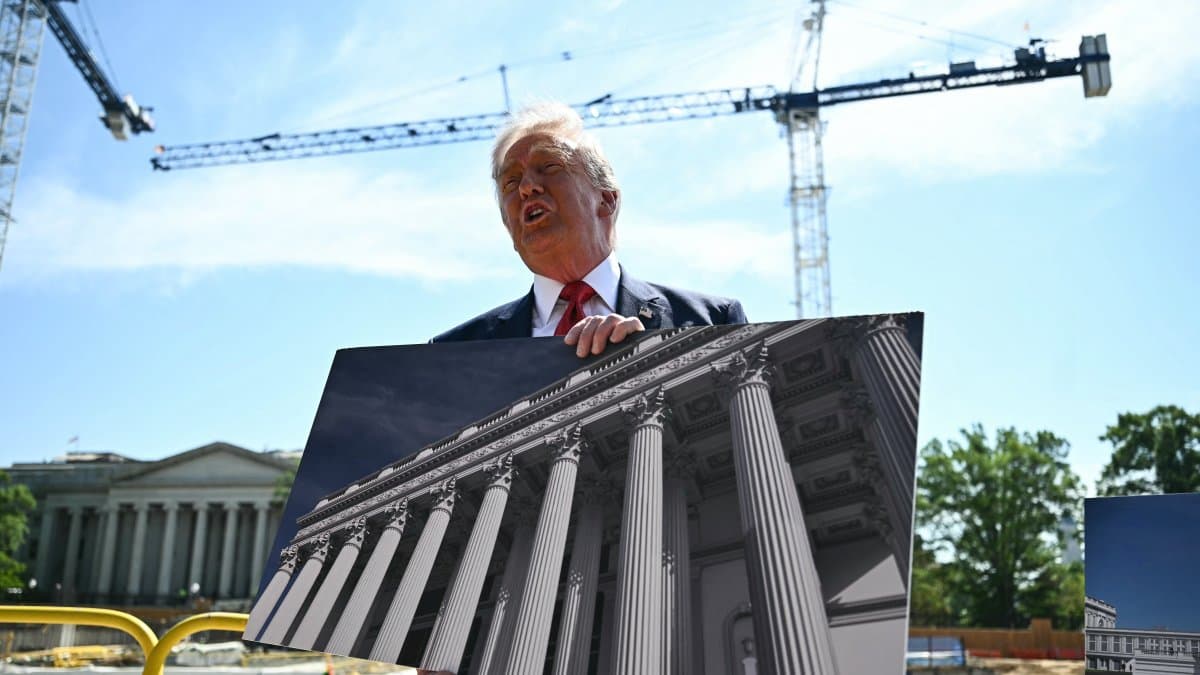

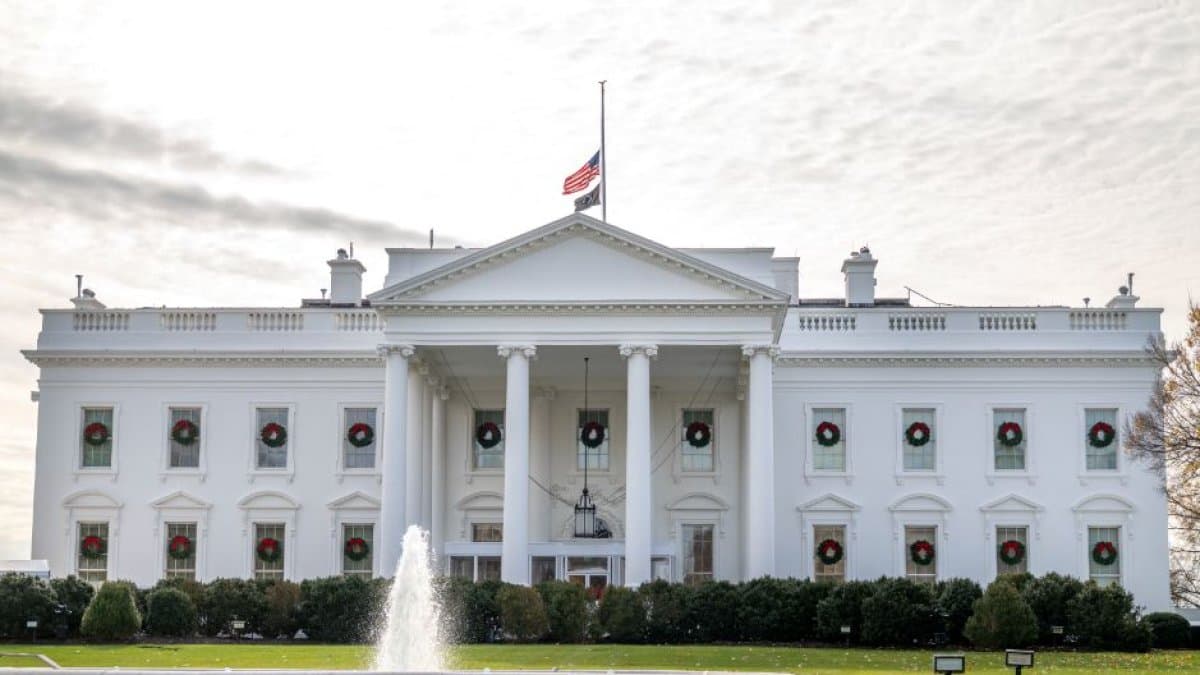
The face of the White House is undergoing its most profound transformation since the days of the Harry Truman administration. The construction of the new 90,000-square-foot ballroom reshapes for good the fabric of the East Wing of the presidential complex.
The initiative seeks to resolve a century-old logistical shortfall by building a facility capable of accommodating between 650 and nearly 1,000 people, eliminating the need to use temporary structures on the outdoor lawns during receptions for international dignitaries and other major events.
In announcing the start of construction in July 2025, the White House justified the project by citing the limitations of the current space, which routinely require the erection of outdoor tents to comply with diplomatic protocols.
The Trump administration has always affirmed its commitment to work in close coordination with the relevant entities to preserve the building's historic richness, delivering a majestic and functional work for administrations to come.
Private financing and an underground security bunker
The exterior structure of the complex has a projected budget of $300 million to $400 million, funded entirely by contributions from private and corporate donors, with a direct contribution from President Trump.
The initial funds allocated include $22 million from the legal settlement arising from a lawsuit Donald Trump filed against YouTube in 2021.
The administration emphasizes compliance with the commitment not to use public funds for the hall's construction.
The project has taken on a strategic dimension with the incorporation of an underground security complex beneath the hall. Following recent security incidents around Washington's perimeters, the administration and various sectors in Congress have urged fortification of the East Wing with state-of-the-art technology.
The plan calls for the integration of ballistic impact armor, chemical filtration systems, a highly complex medical care center, and a helipad or port for defensive drone operations on the roof, designed to repel asymmetric technological threats.
The legislative debate on Capitol Hill intensified after a recent suggestion to earmark a federal budget line item for these specific protective accommodations to be provided by the Secret Service.
Although the proposal generated early reticence among some Republican legislators, such as Thom Tillis and Rand Paul, because of the impact on public opinion in an election year, defenders of the measure, such as Senator Lindsey Graham, have remarked that the investment is limited exclusively to the security of government headquarters.
President Trump, for his part, has dismissed Democrats' accusations of budget overruns, ensuring that the cost of the civil work will remain privately covered and below the press's speculative limits.
Delivery dates and preservation of classical heritage
Technical demolition work on the grounds of the former module built in 1902 formally began last year, following architectural studies conducted by specialized firms.
Preliminary analyses determined the feasibility of removing the worn segments to construct a monolithic, interconnected structural foundation spanning six subterranean levels, while preserving the classical aesthetic that characterizes the White House. The conceptual design is being undertaken by the firm McCrery Architects, renowned for its traditionalist approach and its alignment with the architectural patterns of the federal capital.
The White House projects that the event hall will be fully operational before the end of the current administration's term, with its official inauguration around September 2028.
The building will remain separate from the main body of the executive residence, maintaining an almost identical aesthetic nexus through a glass connector that will allow the safe flow of diplomatic delegations and state guests.
An infrastructure for the nation's future
The East Wing upgrade endows the Executive Branch with an operational platform tailored to the geopolitical demands of the 21st century.
By decoupling financial costs from the taxpayer and prioritizing the provision of shelters and defensive shielding, the administration projects a management model focused on institutional resilience.
The ballroom, according to the current administration, will modernize U.S. diplomatic representation and set a precedent for safety and security in the face of the challenges the nation and the world face today.

Politics
Fetterman demands Democrats fund Trump ballroom in wake of assassination attempt at Hilton
Andrés Ignacio Henríquez
🛠 Do you think there is an error in this article?
Recommendations







LATEST