






Appeals court reinstates Trump's control over Oregon National Guard, but upholds deployment ban
The decision stays federal Judge Karin Immergut's initial order blocking the federalization of Oregon troops on the grounds that protests in Portland did not constitute an "insurrection" or a sufficient threat.
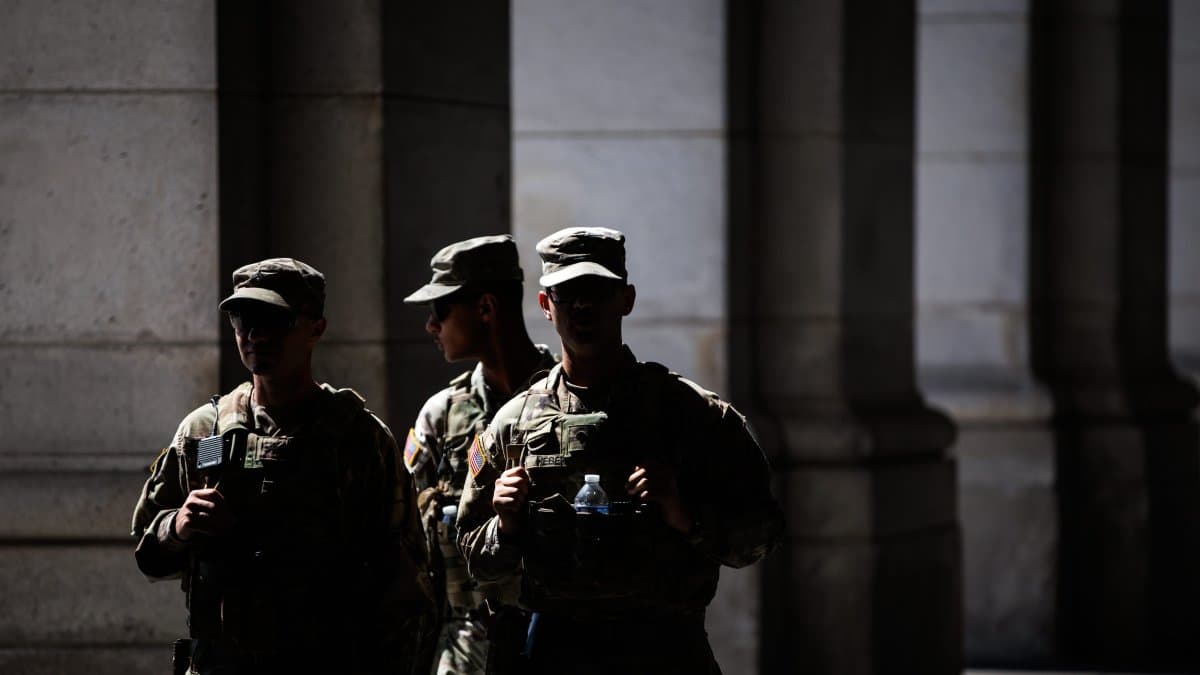

A three-judge panel of the U.S. Court of Appeals for the Ninth Circuit on Wednesday lifted an order from a lower court barring President Donald Trump from federalizing troops from the National Guard from Oregon, temporarily allowing the Republican Administration to retain federal control over the 200 troops.
However, the ruling kept in place the ban on deploying those troops - or any federalized National Guard unit - anywhere in the state of Oregon, preserving the "status quo."
The decision, issued in an order brief three-page order, stays the initial order by federal judge Karin Immergut, who on Saturday blocked the federalization of Oregon's troops, arguing that protests in Portland did not constitute an "insurrection" or a sufficient threat to justify intervention under federal law.
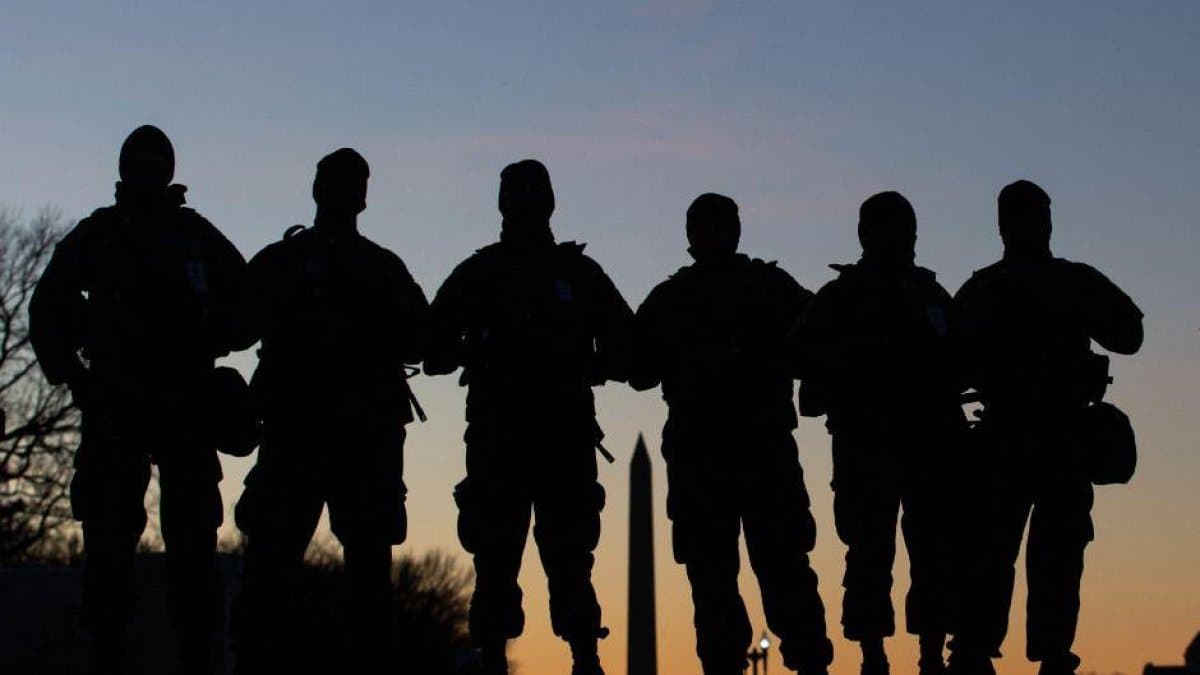
Today, the Ninth Circuit panel, composed of two Trump-appointed judges—Judge Eric D. Miller and Judge Danielle J. Forrest—and one appointed by the ex-President Bill Clinton—Judge Milan D. Smith Jr.—wrote that the administrative stay "better preserves the status quo in which National Guard members have been federalized but not deployed."
“Granting an administrative stay will best preserve the status quo,” the judges stated in their order. In addition, the panel scheduled oral arguments for Thursday on whether to extend the stay. At the same time, it evaluates the Trump administration's full appeal, which contends Immergut's order “impermissibly second-guessed” the president's military decisions and represents undue interference with the functions of the commander in chief.
Immergut's initial order and the Trump Administration's response
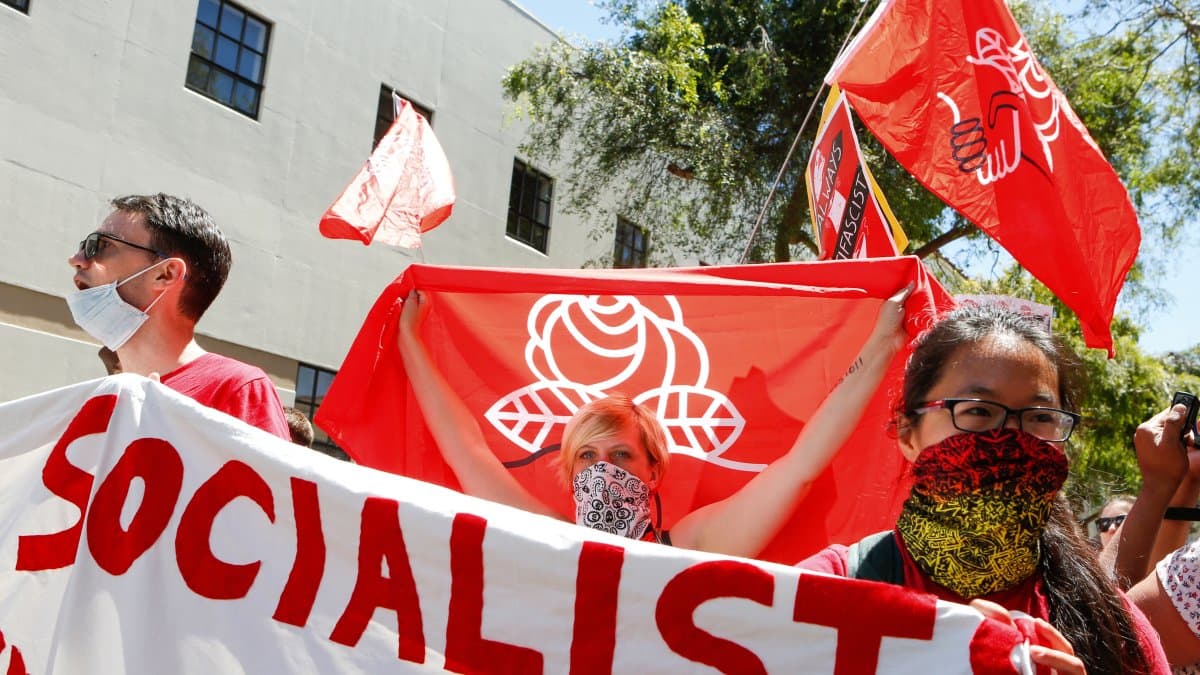
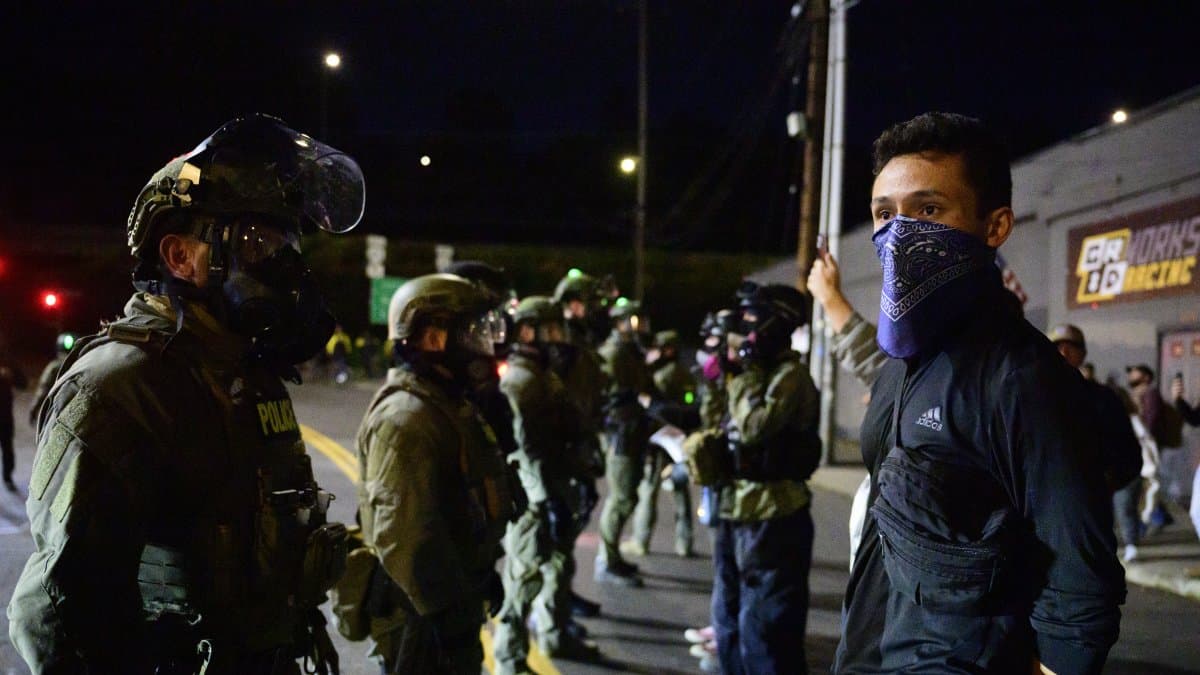
The saga began on Sept. 28, when officials from Oregon and Portland jointly sued the Trump Administration after the president vowed to protect the city, which he described as a "war zone" and with Immigration and Customs Enforcement (ICE) "besieged" by protests against its immigration policies.
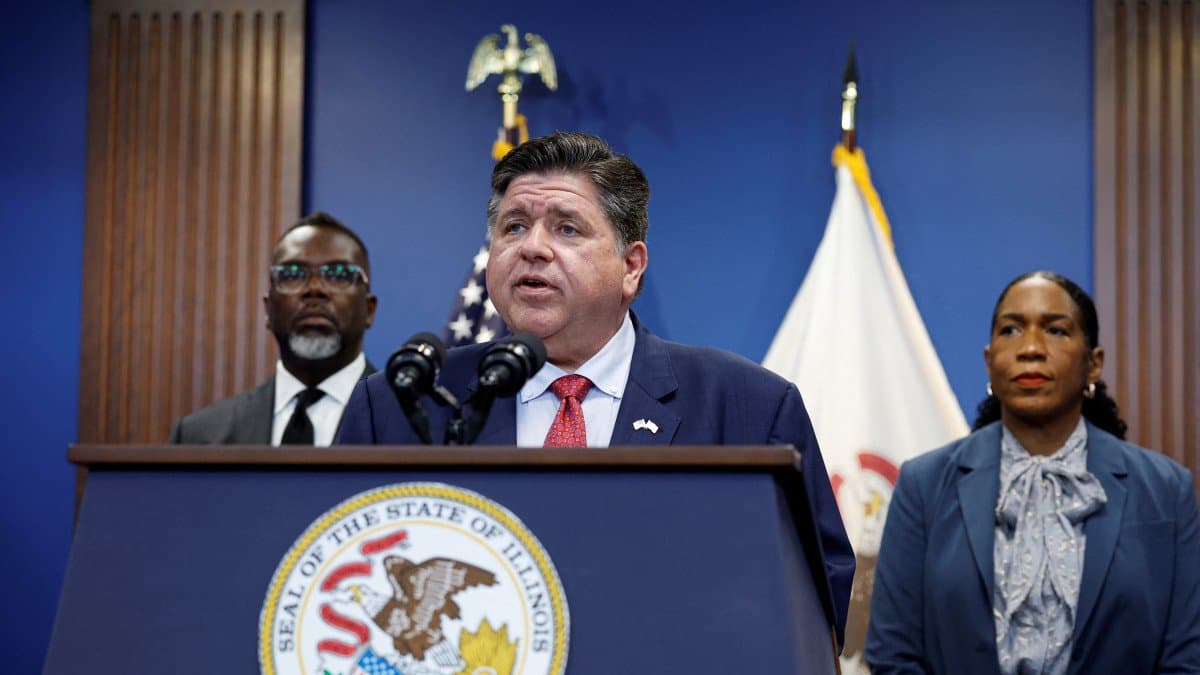
The next day, the Secretary of War, Pete Hegseth, issued a memorandum authorizing the federalization and deployment of 200 members of the ICE Guard and the deployment of 200 Oregon National Guard for 60 days, despite objections from Democratic Governor Tina Kotek, who rejected the request.
Society
Hegseth calls on 400 Texas National Guard members to mobilize to Chicago, Portland and 'wherever necessary'
Emmanuel Alejandro Rondón
On Friday, Oct. 3, during a hearing before Immergut, the Administration defended the measure, citing incidents such as the throwing of rocks, bricks, and incendiary devices at federal agents, damage to windows and security cameras at ICE headquarters. However, Immergut ruled Saturday that Trump's reasoning was “simply untethered to the facts," according to a review by The Hill.
Society
ICE arrests dozens of criminal immigrants in Portland amid unrest and violence
Diane Hernández
In his ruling, the judge noted that the protests did not meet the threshold of "insurrection" required by Section 12406 of Title 10 of the United States Code, which permits federalization of the National Guard only in cases of invasion or rebellion that prevent the execution of federal laws.
In addition, the magistrate emphasized that Portland police could respond, backed by mutual aid agreements with state and federal agencies. “This is a nation of constitutional law, not martial law.”
She wrote, warning that the deployment could inflame tensions rather than defuse them.
National Guard deployments
In August, Trump extended the actions by deploying some 2,000 National Guard members in Washington, DC, including 800 locals, and federalizing the Metropolitan Police Department for 30 days for patrols in tourist areas to combat crime.
In September, the campaign intensified with troop announcements in DC in front of Union Station.
🛠 Do you think there is an error in this article?
Recommendations





LATEST